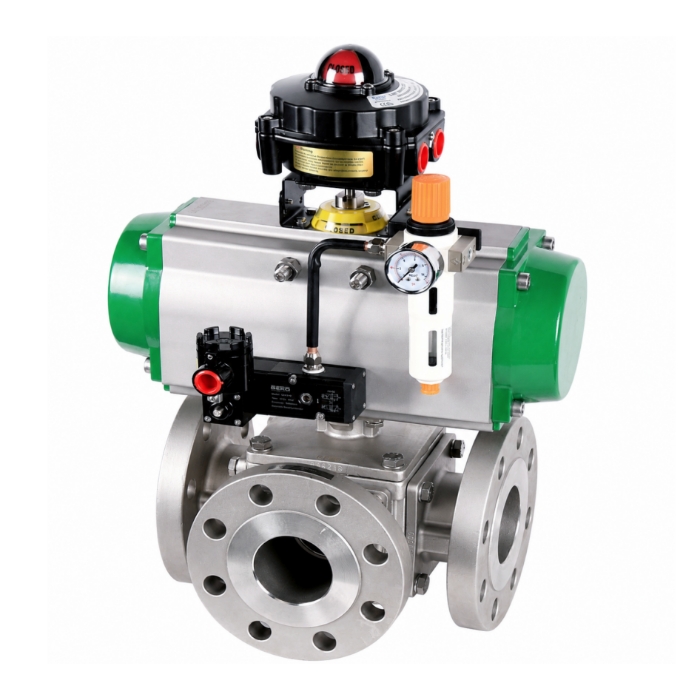
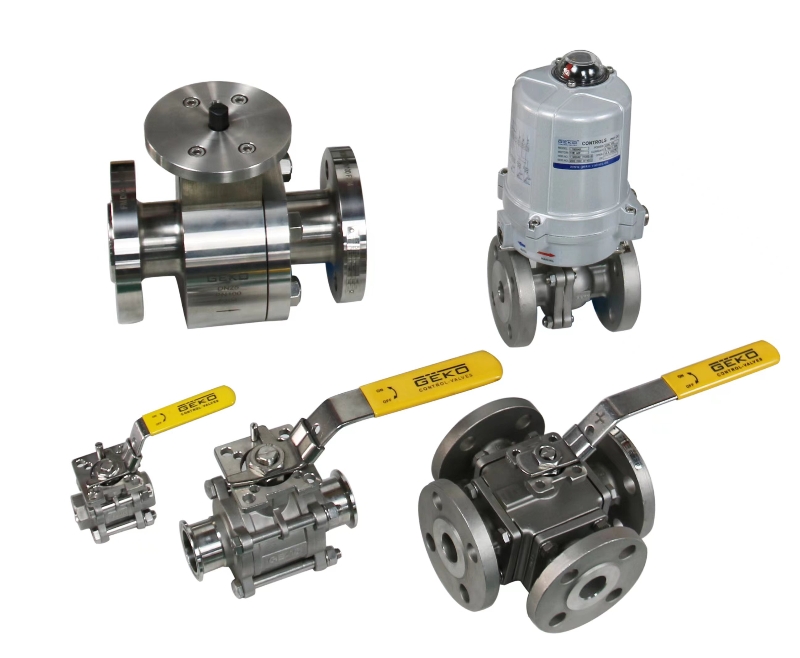
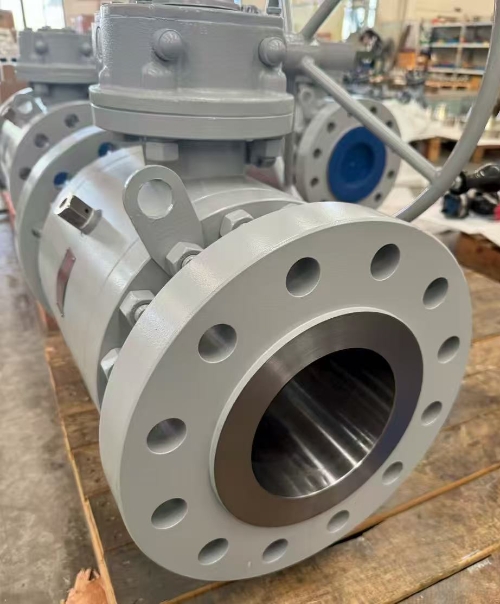
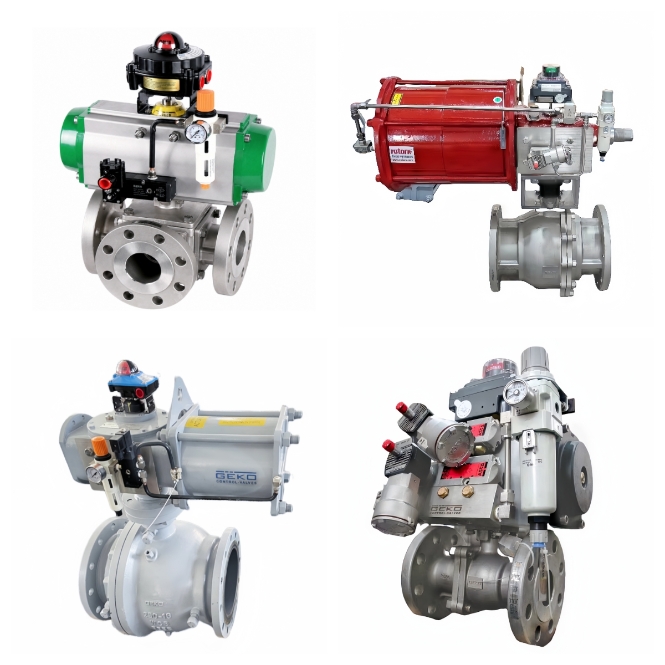
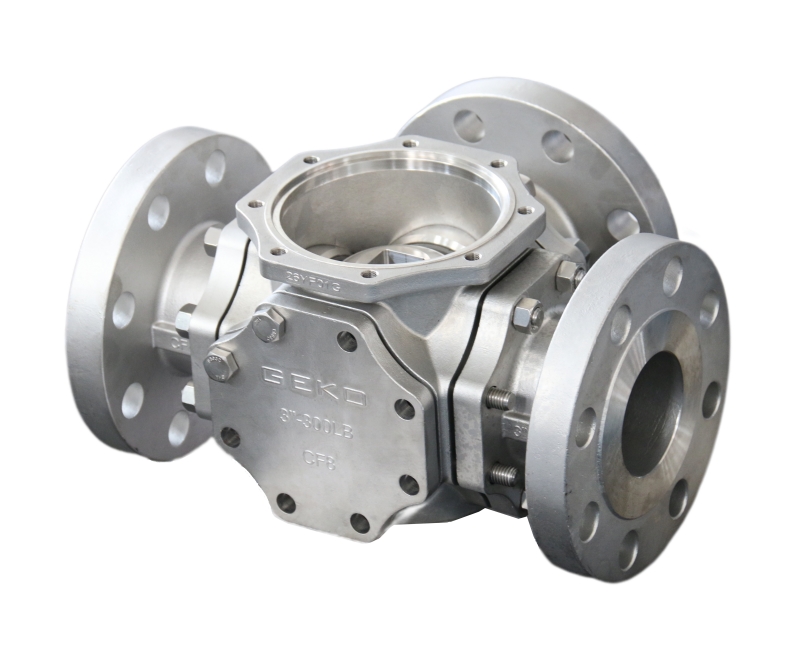
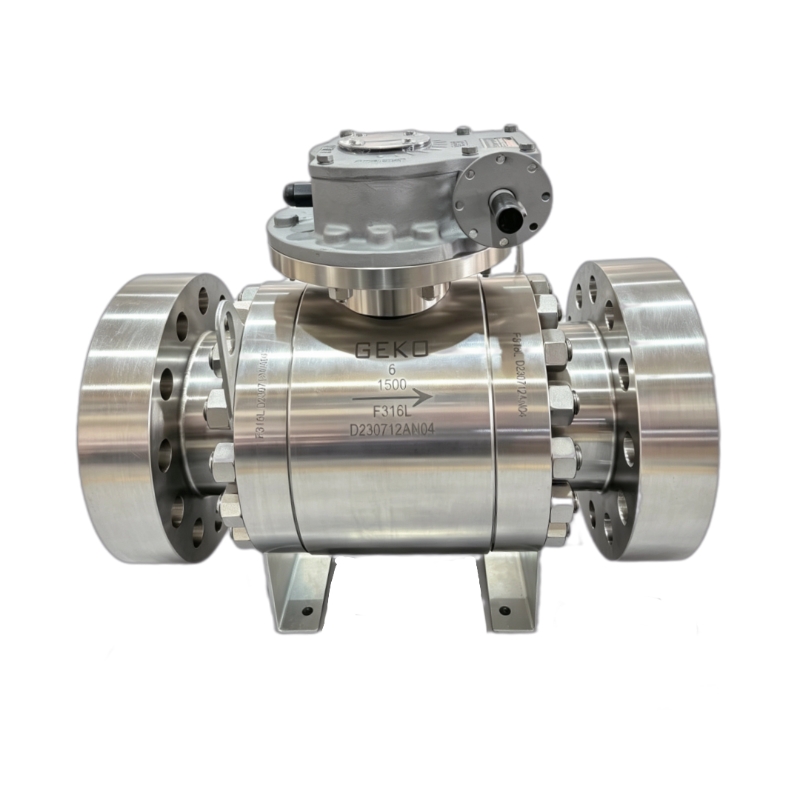
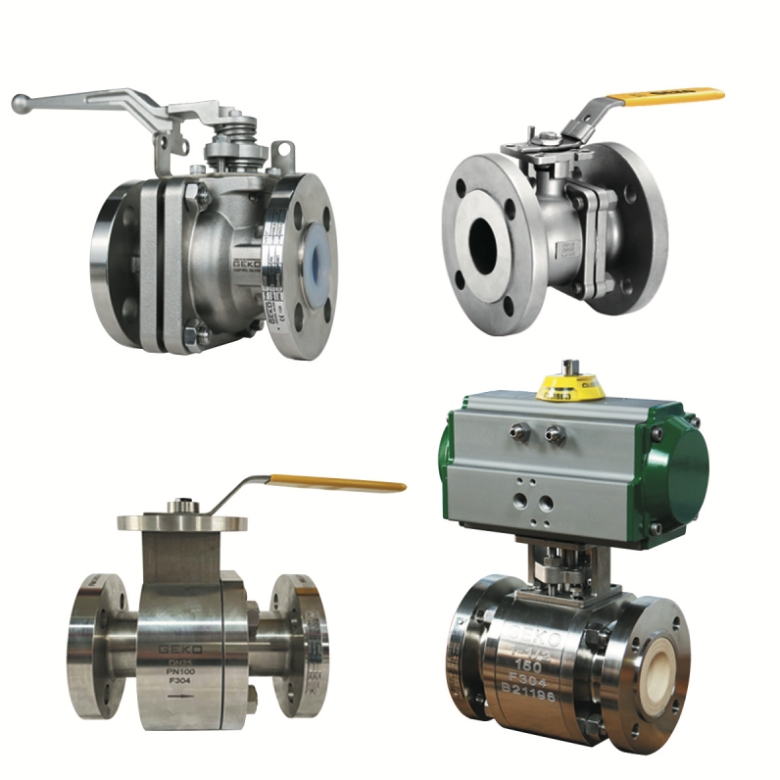
صمام كروي ذو مقعد معدني

بيت

صمام كروي ذو مقعد معدني

  • Ball Valve Selection Made Easy: Types, Applications, and Tips | GEKO Valve
    Ball Valve Selection Made Easy: Types, Applications, and Tips | GEKO Valve
    Sep 13, 2026
      Ball Valve Selection Made Easy: Types, Applications, and Tips Ball valves are the most versatile fluid control devices in modern industrial piping systems. Known for their quarter‑turn fast operation, bubble‑tight shutoff, compact structure, and long service life, ball valves are widely used to isolate or regulate gas, liquid, and slurry media across various industries. However, due to multiple valve structures, sealing types, bore sizes, and actuation options, many engineers and purchasers face confusion during selection. This article simplifies ball valve selection by clarifying common ball valve types, typical industrial applications, and practical selection tips to help you choose the correct industrial ball valve for your working conditions.   1. Common Types of Industrial Ball Valves Understanding ball valve classification is the foundation of correct selection. Industrial ball valves are mainly divided by structure, bore design, sealing method, and operation type. 1.1 Floating Ball Valve vs Trunnion Mounted Ball Valve Floating ball valves feature a free‑floating ball that relies on medium pressure to achieve sealing. With a simple structure and cost‑effective advantages, floating ball valves are ideal for small‑size, low‑pressure and medium‑pressure pipelines. They are widely used for general isolation and flow control in water treatment, HVAC, and light chemical systems.     Trunnion mounted ball valves adopt fixed upper and lower trunnions to lock the ball in place. This structural design greatly reduces operating torque and seat wear, allowing stable operation under large size, high pressure, and frequent cycling conditions. Trunnion ball valves are the preferred solution for heavy‑duty oil & gas pipelines, petrochemical process lines, and long‑distance transmission systems.   1.2 Full Port Ball Valve vs Reduced Port Ball Valve Full port ball valves have a straight bore identical to the pipe inner diameter, providing minimal pressure drop and allowing pipeline pigging. They are suitable for high‑flow pipelines and systems that require low flow resistance and easy pipeline maintenance. Reduced port ball valves have a smaller streamlined bore. They are lighter and more economical while meeting normal isolation requirements. Reduced port ball valves are widely used for general industrial pipelines where ultra‑low pressure drop and pigging are not required.   1.3 Soft Seated vs Metal Seated Ball Valve Soft seated ball valves use PTFE or other polymer materials for sealing, achieving bubble‑tight zero leakage at normal temperatures. They perform well in clean water, gas, and non‑abrasive chemical media and feature low operating torque and reliable sealing. Metal seated ball valves adopt metal‑to‑metal hard sealing with hardened or alloy‑coated seat surfaces. With high temperature resistance, high pressure resistance, and abrasion resistance, metal seated ball valves can handle abrasive slurry, thermal cycling, and corrosive media that soft seals cannot withstand. 1.4 Manual and Actuated Ball Valves Manual ball valves are suitable for low‑frequency operation and simple pipeline control. For automated industrial systems, pneumatic actuated ball valves and electric actuated ball valves are mainstream choices. Pneumatic ball valves offer fast switching and explosion‑proof performance, while electric ball valves support remote control and precise flow regulation for intelligent pipeline systems. 2. Industrial Applications of Ball Valves Different ball valve types correspond to specific industry scenarios. Matching valves based on process media, temperature, pressure, and operation frequency ensures stable long‑term performance. Water Treatment & HVAC: Soft seated floating ball valves and reduced port ball valves are commonly used for water supply, drainage, and air conditioning circulation pipelines. Chemical & Petrochemical Industry: Metal seated ball valves and anti‑corrosion ball valves are applied for corrosive, high‑temperature, and abrasive process media. Oil & Gas Transmission: Trunnion mounted ball valves and full port ball valves ensure safe isolation, low pressure loss, and convenient pipeline pigging. Power & Thermal Energy: High‑temperature resistant metal seated ball valves adapt to steam, thermal cycling, and high‑pressure working conditions. Automated Process Industry: Pneumatic and electric actuated ball valves realize automatic switching, remote monitoring, and intelligent flow control. 3. Practical Ball Valve Selection Tips Follow these simple and professional tips to avoid selection errors and improve pipeline system stability: Match structure with pressure and size: Choose floating ball valves for small low‑pressure pipelines and trunnion mounted ball valves for large high‑pressure service. Select sealing type by medium: Use soft seats for clean normal‑temperature media and metal seats for high‑temperature, abrasive, and corrosive media. Choose bore type according to flow demand: Select full port ball valves for low pressure drop and pigging requirements; use reduced port ball valves for cost‑effective general isolation. Select actuation mode reasonably: Use pneumatic actuators for explosion‑proof environments and electric actuators for remote intelligent control. Verify temperature and pressure rating: Always confirm valve class and material adaptability to extreme working conditions to prevent leakage and deformation. 4. Why Choose GEKO Valve Ball Valves GEKO Valve provides a full range of high‑performance industrial ball valves, including floating ball valves, trunnion mounted ball valves, full port and reduced port ball valves, soft seated and metal seated ball valves, as well as customized pneumatic and electric actuated ball valve packages. All valves are manufactured according to international standards, delivering stable sealing performance, low maintenance, and long service life for global industrial piping systems. 9 Core SEO Keywords: Floating Ball Valve, Trunnion Mounted Ball Valve, Full Port Ball Valve, Reduced Port Ball Valve, Metal Seated Ball Valve, Soft Seated Ball Valve, Pneumatic Actuated Ball Valve, Electric Actuated Ball Valve, Industrial Pipeline Ball Valve
    اقرأ المزيد
  • Mastering Ball Valves: A Comprehensive Selection Guide | GEKO Valve
    Mastering Ball Valves: A Comprehensive Selection Guide | GEKO Valve
    Sep 07, 2026
    Mastering Ball Valves: A Comprehensive Selection Guide Ball valves are foundational fluid control components in modern industrial piping systems, trusted for their exceptional sealing performance, fast quarter‑turn operation, compact structure, and long operational lifespan. From general commercial piping to heavy‑duty oil and gas, petrochemical, and power generation facilities, industrial ball valves deliver reliable isolation and flow regulation for countless process conditions. Mastering professional ball valve selection is critical to eliminate pipeline leakage, reduce pressure loss, avoid equipment jamming, and minimize long‑term maintenance costs. This comprehensive guide fully elaborates on ball valve classifications, core performance characteristics, industry‑specific applications, and authoritative selection standards to help engineers and buyers master accurate valve matching for all working scenarios. 1. Complete Classification of Industrial Ball Valves Industrial ball valves are classified by structural mechanism, bore specification, sealing configuration, and driving mode. Each category features unique performance advantages and exclusive applicable working conditions: 1.1 Structural Classification: Floating vs Trunnion Mounted Ball Valve Floating ball valves adopt a free‑floating ball design with a simple, compact structure and cost‑effective advantages. The ball moves slightly under medium pressure and tightly presses against the downstream sealing seat to achieve bubble‑tight shutoff. This structure is ideal for small‑size, low to medium‑pressure conventional pipelines, widely used for general isolation and conventional flow control in water treatment, HVAC, and light chemical systems. Trunnion mounted ball valves feature dual upper and lower trunnion fixed support, completely locking the ball in place. This design transfers medium pressure load to the trunnion shaft instead of the sealing seat, effectively reducing operating torque and seat wear. It is the preferred heavy‑duty solution for large‑size, high‑pressure, high‑cycle industrial pipelines, dominating long‑distance oil and gas transmission, petrochemical refining, and heavy industrial process systems. 1.2 Bore Classification: Full Port vs Reduced Port Ball Valve Full port ball valves are designed with a straight through bore matching the pipe inner diameter, achieving nearly zero flow resistance and minimal industrial ball valve pressure drop. They fully support pipeline pigging and cleaning operations, making them essential for high‑flow transmission pipelines, process main lines, and systems with strict energy‑saving and low‑loss requirements. Reduced port ball valves adopt a streamlined reduced bore structure, featuring lighter weight, smaller volume, and lower manufacturing costs. Although the flow passage is slightly smaller, it fully meets conventional isolation and flow control demands. It is the most cost‑effective choice for ordinary industrial pipelines without pigging and ultra‑low pressure drop requirements. 1.3 Sealing Classification: Metal Seated vs Soft Seated Ball Valve Soft seated ball valves utilize high‑performance PTFE and polymer composite sealing materials, achieving absolute zero leakage under normal temperature and clean medium conditions. With low friction and flexible switching performance, they are suitable for clean water, compressed air, natural gas, and non‑abrasive chemical media, ensuring stable and reliable daily operation. Metal seated ball valves adopt hard alloy surfacing on sealing surfaces, possessing excellent high‑temperature resistance, high‑pressure resistance, and abrasion resistance. They can stably adapt to harsh working conditions such as high‑temperature thermal cycling, abrasive slurry, and corrosive media, completely solving the problems of soft seal aging, deformation, and failure in severe industrial environments. 1.4 Driving Classification: Manual vs Actuated Ball Valve Manual ball valves are equipped with handles or gear operators, suitable for low‑frequency manual operation scenarios with low cost and simple maintenance. For modern automated industrial systems,pneumatic actuated ball valves and electric actuated ball valves are mainstream configurations. Pneumatic ball valves provide fast switching speed and excellent explosion‑proof performance, adapting to flammable and hazardous working environments. Electric ball valves support precise flow modulation and remote signal linkage, perfectly matching PLC, SCADA, and intelligent pipeline control systems. 2. Core Performance Parameters for Professional Selection Accurate ball valve selection relies on standardized parameter verification rather than simple size matching. Core parameters that determine valve applicability include: - Flow Capacity (Cv Value): Professional ball valve Cv calculation ensures the valve’s flow capacity matches system flow demand, avoiding flow bottlenecks and excessive pipeline pressure loss. - Pressure & Temperature Rating: Match valve pressure class and temperature resistance grade according to maximum working pressure and extreme medium temperature to prevent seal failure and valve deformation. - Actuator Torque Matching: Scientifically calculate ball valve actuator torque based on actual pressure difference to ensure sufficient switching power and avoid jamming or incomplete valve opening/closing. - Medium Compatibility: Select sealing and body materials according to medium corrosion, abrasion, and viscosity to achieve long‑term stable operation. 3. Industry‑Specific Application Matching Rules Different industries have distinct process characteristics, requiring targeted ball valve configuration schemes: - Water Treatment & HVAC Systems: Adopt soft seated floating ball valves and reduced port ball valves, balancing cost, sealing stability, and low maintenance performance. - Oil & Gas Transmission: Prioritize full port trunnion mounted ball valves to meet high‑flow, low‑loss, and pipeline pigging maintenance requirements. - Petrochemical & Chemical Industry: Deploymetal seated ball valves and anti‑corrosion ball valves for high‑temperature, corrosive, and abrasive process media. - Thermal Power & Metallurgy: Use high‑temperature and wear‑resistant metal seated ball valves to adapt to steam, high‑temperature flue gas, and slag media. - Intelligent Manufacturing Industry: Equip pneumatic and electric actuated ball valves to realize automatic control, remote monitoring, and intelligent pipeline management. 4. Advanced Selection Tips to Avoid Operational Risks To master ball valve selection thoroughly, it is necessary to avoid conventional misunderstandings and form standardized selection logic: - Never select valves only by nominal pipe size; always verify Cv flow coefficient to prevent insufficient flow capacity and excessive industrial ball valve pressure drop. - Distinguish application boundaries of floating and trunnion structures: floating ball valves for small low‑pressure pipelines, trunnion mounted ball valves for large high‑pressure heavy‑duty systems. - Strictly separate soft and metal sealing scenarios: soft seals for clean normal‑temperature media, metal seals for high‑temperature, abrasive, and harsh corrosive media. - Reserve sufficient safety margin for actuator torque under high‑pressure differential conditions to eliminate switching failure risks. - Choose full port valves for pipelines requiring pigging cleaning to ensure smooth later maintenance. 5. GEKO Valve Professional Ball Valve Solutions As a professional industrial valve manufacturer, GEKO Valve provides a full lineup of high‑performance ball valves, covering floating ball valve, trunnion mounted ball valve, full port & reduced port ball valve,metal seated ball valve, and customized actuated ball valve packages. We provide one‑stop professional services including ball valve Cv calculation and actuator torque verification, effectively controlling system pressure loss and ensuring stable and efficient operation of valves in complex industrial working conditions. All products comply with international industry standards, serving global industrial piping projects with high quality, low failure rate, and long service life. Core SEO Keywords: Trunnion Mounted Ball Valve, Floating Ball Valve, Metal Seated Ball Valve, Full Port Ball Valve, Reduced Port Ball Valve, Pneumatic Actuated Ball Valve, Electric Actuated Ball Valve, Industrial Ball Valve, High Pressure Ball Valve
    اقرأ المزيد
  • Ball Valve Selection Made Easy: Types, Applications, and Tips | GEKO Valve
    Ball Valve Selection Made Easy: Types, Applications, and Tips | GEKO Valve
    Sep 07, 2026
    Ball Valve Selection Made Easy: Types, Applications, and Tips Ball valves are the most versatile and widely used fluid control components in industrial piping systems. Known for their quarter‑turn fast operation, bubble‑tight shutoff, compact structure, and long service life, they replace traditional gate and globe valves in most process pipelines. However, with dozens of ball valve types and diverse working conditions, many engineers struggle with improper model selection, which leads to leakage, high pressure loss, actuator jamming, or short service life. This guide simplifies industrial ball valve selection by sorting core classifications, matching industry applications, and summarizing practical selection tips for beginners and professional procurement teams. 1. Common Types of Industrial Ball Valves Ball valves can be categorized by structural design, bore size, sealing method, and actuation mode. Each type has fixed applicable scenarios and performance limits: 1.1 Floating Ball Valve & Trunnion Mounted Ball Valve Floating ball valves feature a free movable ball structure with simple construction and cost advantages. The ball floats under medium pressure and presses tightly against the downstream seat to achieve sealing. This type is perfect for small‑size, low‑pressure and medium‑pressure conventional pipelines for general isolation and flow control. Trunnion mounted ball valves adopt upper and lower trunnion fixed support structures. The ball is locked in position, which greatly reduces operating torque and seat friction. It effectively adapts to large‑size, high‑pressure, and high‑frequency cycling working conditions, serving as the mainstream heavy‑duty pipeline ball valve for oil and gas, petrochemical, and long‑distance transmission systems. 1.2 Full Port Ball Valve & Reduced Port Ball Valve Full port ball valves have an inner bore consistent with the pipe diameter, delivering almost zero flow resistance and ultra‑low industrial ball valve pressure drop. They support pipeline pigging cleaning and are widely used in high‑flow transmission pipelines and systems requiring minimal energy loss. Reduced port ball valves adopt a smaller streamlined bore. With lighter weight and lower manufacturing cost, they meet daily isolation requirements for most conventional pipelines and help enterprises save project investment without strict low‑pressure‑drop demands. 1.3 Metal Seated Ball Valve & Soft Seated Ball Valve Soft seated ball valves use PTFE or polymer soft sealing materials to realize bubble‑tight zero leakage at room temperature. They are suitable for clean water, air, gas, and non‑abrasive conventional chemical media, with excellent sealing stability and low operating torque. Metal seated ball valves adopt hard alloy surfacing sealing surfaces, featuring high temperature resistance, high pressure resistance, and abrasion resistance. They can withstand abrasive slurry, thermal cycling, and high‑temperature corrosive media, solving the aging and failure problems of soft seals in harsh industrial environments. 1.4 Manual & Actuated Ball Valves According to operation modes, ball valves are divided into manual and automated types. Manual ball valves are simple and cost‑effective for low‑frequency operation pipelines. For intelligent industrial systems, pneumatic actuated ball valves and electric actuated ball valves are the mainstream choices. Pneumatic ball valves offer fast switching and explosion‑proof performance for dangerous working conditions, while electric ball valves support remote control and precise flow regulation, matching PLC and SCADA system linkage.   2. Typical Industrial Applications for Ball Valves Different ball valve types correspond to exclusive industrial scenarios. Matching valves based on industry characteristics is the core of correct selection: - Water Treatment & HVAC: Soft seated floating ball valves and reduced port ball valves are preferred for water supply, drainage, and central air conditioning circulation pipelines, pursuing cost‑effectiveness and stable sealing. - Chemical & Petrochemical Industry: Corrosive media and high‑temperature processes require metal seated ball valves and anti‑corrosion lined ball valves; high‑pressure transmission pipelines adopt trunnion mounted ball valves. - Oil & Gas Pipeline: Full port ball valves and heavy‑duty trunnion ball valves are widely used to ensure unobstructed medium transmission and support pipeline pigging maintenance. - Power & Metallurgy: High‑temperature steam, slag, and abrasive media require wear‑resistant metal seated ball valves to resist harsh working conditions and extend service life. - Intelligent Automated Factory: Pneumatic and electric actuated ball valves realize automatic switching and remote monitoring, suitable for batch and continuous production pipeline systems. 3. Practical Ball Valve Selection Tips (Beginner‑Friendly) Simplify the selection process with these core rules to avoid most engineering mistakes: - Confirm working conditions first: Clarify medium type, temperature, pressure, and operating frequency. High temperature and abrasion choose metal seats; clean normal temperature media choose soft seats. - Select structure by pressure and size: Small size and low pressure use floating ball structure; large size and high pressure must choose trunnion mounted ball valve. - Match bore type by flow demand: High flow rate, low pressure drop and pigging requirements choose full port ball valve; general isolation chooses reduced port to save cost. - Reasonably configure actuation mode: Explosion‑proof hazardous environments prioritize pneumatic actuation; remote intelligent control scenarios choose electric actuation. - Verify flow capacity and torque: Complete accurate ball valve Cv calculation and ball valve actuator torque matching to prevent jamming, incomplete switching or flow insufficiency. 4. How to Avoid Common Selection Failures Most valve failures are caused by incorrect selection rather than product quality problems. Avoid these typical errors: Do not only select models by pipe nominal size; insufficient Cv value will cause system flow bottlenecks and excessive industrial ball valve pressure drop. Do not use soft seated ball valves for high‑temperature abrasive media, which will lead to rapid seal aging and leakage. Do not equip small‑torque actuators for high‑pressure differential pipelines, resulting in unsmooth valve operation. For long‑distance transmission and frequent maintenance pipelines, avoid reduced port ball valves that cannot support pigging cleaning. 5. GEKO Valve Reliable Ball Valve Solutions GEKO Valve provides a full range of standardized and customized industrial ball valves, covering floating ball valve, trunnion mounted ball valve, full port & reduced port ball valve, metal seated ball valve, and pneumatic/electric actuated ball valve packages. We support professional ball valve Cv calculation and actuator torque matching services, strictly controlling pipeline pressure loss and ensuring stable valve operation for various complex working conditions. Our products serve global water treatment, chemical, oil & gas, power, and automated industrial projects with stable quality and low maintenance costs. Core SEO Keywords: Trunnion Mounted Ball Valve, Floating Ball Valve, Metal Seated Ball Valve, Full Port Ball Valve, Reduced Port Ball Valve, Pneumatic Actuated Ball Valve, Electric Actuated Ball Valve, Industrial Pipeline Ball Valve, High Pressure Ball Valve
    اقرأ المزيد
  • The Ultimate Guide to Ball Valves and How to Choose Them | GEKO Valve
    The Ultimate Guide to Ball Valves and How to Choose Them | GEKO Valve
    Sep 07, 2026
    The Ultimate Guide to Ball Valves and How to Choose Them Ball valves are the most widely used quarter-turn flow control devices in modern industrial piping systems, renowned for their bubble-tight shutoff, fast 90° operation, compact structure, and excellent long-term durability. From general water treatment and HVAC systems to high-pressure oil & gas pipelines, chemical processing, and thermal power plants, ball valves deliver reliable isolation and flow regulation for diverse working conditions. However, many engineers and procurement teams face frequent selection errors due to unclear distinctions between valve structures, sealing types, and actuation modes. This ultimate guide breaks down core ball valve classifications, working principles, key performance parameters, and step-by-step selection rules to help you pick the perfect industrial ball valve for your project. 1. What Is a Ball Valve? Core Working Principle A ball valve controls fluid flow by rotating a hollow, perforated spherical ball inside the valve body. When the ball’s bore aligns with the pipeline, the valve opens for full fluid passage; when rotated 90 degrees, the solid ball surface blocks the flow completely. Compared with gate valves and globe valves, ball valves feature simpler operation, lower industrial ball valve pressure drop, and better adaptability for automated control. With accurate ball valve Cv calculation, engineers can precisely match flow capacity to system requirements, avoiding flow bottlenecks and energy waste.   2. Main Types of Ball Valves (Core Structural Classification) Industrial ball valves are mainly categorized by ball support structure, bore design, sealing mode, and body configuration, covering all mainstream engineering models: 2.1 Floating Ball Valve vs Trunnion Mounted Ball Valve The biggest structural difference in industrial ball valves lies in ball fixation modes. A floating ball valve has an unanchored ball that floats freely under fluid pressure, pressing tightly against the downstream seat to achieve sealing. It features a simple structure, cost-effective price, and is ideal for small-size, low-to-medium pressure conventional pipelines. A trunnion mounted ball valve adopts upper and lower trunnion shafts to fix the ball, transferring fluid pressure load to the trunnion structure instead of the sealing seat. This design greatly reduces ball valve actuator torque, minimizes seat wear, and is the preferred solution for large-size, high-pressure, and high-cycle working conditions, widely applied in heavy-duty pipeline ball valve systems. 2.2 Full Port Ball Valve vs Reduced Port Ball Valve Bore size directly determines flow performance and pipeline applicability. A full port ball valve has an inner bore consistent with the pipe diameter, delivering ultra-low industrial ball valve pressure drop and supporting pipeline pigging cleaning, perfect for high-flow transfer lines and pipeline maintenance scenarios. A reduced port ball valve features a smaller inner bore, with lighter weight and lower manufacturing cost. It suits conventional isolation scenarios with no strict pressure drop requirements and no pigging demand, effectively saving project investment costs. 2.3 Metal Seated Ball Valve vs Soft Seated Ball Valve Sealing material determines the valve’s temperature, pressure, and media adaptability. Soft seated ball valves use PTFE or RTFE materials for bubble-tight zero leakage, suitable for clean, normal-temperature water, gas, and conventional chemical media. A metal seated ball valve adopts hard alloy surfacing sealing surfaces, resisting high temperature, high pressure, abrasive slurry, and frequent thermal cycling. It solves the failure problem of soft seal aging and deformation under harsh working conditions and is widely used in petrochemical, coking, and high-temperature industrial systems. 2.4 Actuated Ball Valve: Pneumatic & Electric Configurations For automated industrial systems, manual ball valves are upgraded to actuated ball valve packages, including two mainstream types: pneumatic ball valve (also named pneumatic actuated ball valve / pneumatic operated ball valve) and electric ball valve (also called electric actuated ball valve / motorized ball valve). Pneumatic models offer fast switching, explosion-proof performance, and high safety for hazardous environments; electric models support precise modulating control and stable remote signal linkage for PLC/SCADA systems. 3. Key Parameters Affecting Ball Valve Selection Blind selection by nominal pipe size is the most common engineering mistake. Standard ball valve selection must verify the following core parameters one by one: - Flow Capacity: Complete professional ball valve Cv calculation according to system flow rate, inlet and outlet pressure, and fluid viscosity to avoid oversizing or undersizing. - Pressure & Temperature Rating: Match the valve pressure class and temperature derating standard to adapt to maximum working pressure and extreme temperature changes. - Actuator Torque Matching: Calculate actual operating differential pressure to confirm ball valve actuator torque, reserve sufficient safety margin to prevent jamming or incomplete switching. - Media Compatibility: Select metal or soft sealing according to corrosive, abrasive, high-temperature characteristics of the fluid to avoid seal damage and leakage. - Pressure Drop Requirement: Choose full port ball valve for low-loss and pigging requirements, and reduced port ball valve for cost-saving conventional scenarios to control industrial ball valve pressure drop. 4. Step-by-Step Ball Valve Selection Process Follow this standardized workflow to select the most cost-effective and reliable ball valve for your system: Step 1: Confirm working conditions – Clarify fluid type, temperature, pressure, flow rate, and system functional requirements (isolation or modulation). Step 2: Determine structural type – Choose floating ball valve for small low-pressure pipelines and trunnion mounted ball valve for large high-pressure pipeline ball valve systems. Step 3: Select bore configuration – Adopt full port ball valve for high-flow low-loss scenarios and reduced port ball valve for general isolation. Step 4: Match sealing mode – Use soft seal for clean conventional media and metal seated ball valve for high-temperature abrasive and corrosive harsh media. Step 5: Confirm actuation mode – Select manual, pneumatic ball valve, or electric ball valve according to on-site power/air source conditions and automation needs. Step 6: Verify core parameters – Complete ball valve Cv calculation and ball valve actuator torque verification to ensure full compliance with system operating conditions. 5. Common Selection Mistakes & Avoidance Tips - Mistake 1: Selecting by pipe size only – Nominal size cannot represent flow capacity. Must rely on ball valve Cv calculation for accurate matching. - Mistake 2: Confusing full port and reduced port – Wrong bore selection leads to excessiveindustrial ball valve pressure drop or failed pipeline pigging. - Mistake 3: Unmatched actuator torque – Ignoring actual differential pressure causes insufficient ball valve actuator torque, resulting in unsmooth switching. - Mistake 4: Misapplied sealing structure – Using soft seals for high-temperature abrasive media leads to rapid aging and failure; harsh working conditions must adopt metal seated ball valve. 6. Industrial Applications of Ball Valves Different ball valve types correspond to exclusive industrial scenarios: floating ball valve and conventional soft-seal valves are widely used in water treatment, HVAC, and general chemical pipelines; heavy-duty trunnion mounted ball valve and metal seated ball valve serve oil & gas, petrochemical, thermal power, and mining industries; automated pneumatic ball valve and electric ball valve are core components of intelligent pipeline control systems, supporting remote monitoring and automatic adjustment. 7. Why Choose GEKO Valve Ball Valves GEKO Valve provides a full range of customized industrial ball valves, including floating ball valve, trunnion mounted ball valve, full port ball valve, reduced port ball valve, metal seated ball valve, and automated actuated ball valve packages (pneumatic and electric). We provide professional ball valve Cv calculation and ball valve actuator torque verification services, effectively controlling industrial ball valve pressure drop for each project. All products comply with international standards, with stable performance, long service life, and low maintenance costs, providing reliable fluid control solutions for global industrial piping systems. Core SEO Keywords: floating ball valve, trunnion mounted ball valve, full port ball valve, reduced port ball valve, metal seated ball valve, pipeline ball valve, ball valve Cv calculation, industrial ball valve pressure drop, ball valve actuator torque, pneumatic ball valve, electric ball valve, actuated ball valve
    اقرأ المزيد
  • أخطاء شائعة في تحديد حجم صمامات الكرة وكيفية تجنبها | صمامات جيكو
    أخطاء شائعة في تحديد حجم صمامات الكرة وكيفية تجنبها | صمامات جيكو
    Aug 16, 2026
    أخطاء شائعة في تحديد حجم صمامات الكرة وكيفية تجنبهايُعدّ اختيار حجم غير مناسب لصمامات الكرة من أكثر الأسباب الجذرية شيوعًا لضعف أداء العمليات، والتآكل المبكر للمقعد، وانخفاض الضغط المفرط، والتجويف، والضوضاء، وتوقفات المصانع غير المخطط لها. يعتمد العديد من المهندسين وفرق المشتريات على مطابقة الحجم الاسمي للأنابيب فقط بدلاً من حساب سعة التدفق، وخصائص السوائل، وحدود السرعة، وفرق الضغط. سواءً عند تحديد... صمام كروي عائم, صمام كروي مثبت على محور دوران, صمام كروي كامل الفتحة أو صمام كروي ذو منفذ مخفض تُوازن المتغيرات، والحجم الصحيح، سلامة الإغلاق، واستقرار التدفق، وأداء المشغل، والتكلفة الإجمالية للملكية. يدعم صمام GEKO تحديد الحجم بدقة مع حساب معامل التدفق لصمام كرويإرشادات اختيار قطر التجويف ومراجعة هندسية خاصة بالتطبيقات لأنظمة الأنابيب الصناعية والكيميائية والطاقة والنفط والغاز، بما في ذلك أنظمة الأنابيب الثقيلة. صمام كروي لخط الأنابيب التجميعات.الخطأ الأول: تحديد الحجم بناءً على الحجم الاسمي للأنبوب فقط، مع تجاهل معامل التدفق وانخفاض الضغطالخطأ الأكثر شيوعًا هو اختيار صمام كروي تلقائيًا بنفس الحجم الاسمي للأنبوب المجاور دون إجراء عملية اختيار مناسبة. حساب معامل التدفق لصمام كرويلا يحدد الحجم الاسمي سعة التدفق بشكل مباشر؛ صمام كروي كامل الفتحة و صمام كروي ذو منفذ مخفض تؤدي نفس مؤشرات صافي نقاط الترويج (NPS) إلى قيم معامل تباين (Cv) مختلفة بشكل كبير. ويؤدي هذا الإغفال إلى نتيجتين مكلفين: إما المبالغة في الحجم أو التقليل منه، ويؤثر بشكل مباشر على انخفاض ضغط صمام الكرة الصناعي عبر دائرة الأنابيب. كيفية تجنبابدأ ببيانات العملية - معدل التدفق، وضغط المدخل/المخرج، ودرجة حرارة التشغيل، وكثافة السائل ولزوجته - ثم احسب قيمة Cv المطلوبة. طابق قيمة Cv المحسوبة مع تصنيف Cv المنشور للصمام، وليس فقط قطر الأنبوب.الخطأ الثاني: الخلط بين تصنيفات معامل التدفق (Cv) للمنفذ الكامل والمنفذ المخفّضكثيرًا ما يفترض المشترون أن صمام الكرة ذي القطر الاسمي المحدد سيوفر تدفقًا كاملًا، ليكتشفوا لاحقًا أن تصميم المنفذ المخفّض (المنفذ القياسي) المختار يتميز بقطر داخلي أصغر بكثير ومعامل تدفق أقل. صمامات الكرة ذات القطر المخفّض أخف وزنًا وأقل تكلفة، لكنها تُنتج تدفقًا أقل. انخفاض ضغط صمام الكرة الصناعي وقد يقيّد عمليات تنظيف المراحيض لـ صمام كروي لخط الأنابيب التركيبات.كيفية تجنب: بوضوح صمام كروي كامل الفتحة مقابل صمام كروي ذو منفذ مخفض في ورقة البيانات الخاصة بك. اطلب قيمة Cv المنشورة لتكوين التجويف المحدد. اختر منفذًا كاملًا للتنظيف بالخنادق، وخطوط النقل منخفضة الفقد، والعزل عالي التدفق؛ المنفذ المخفّض مقبول عندما يكون فقدان الضغط مقبولًا والحاجة إلى تحسين التكلفة/الوزن.الخطأ الثالث: صمامات كروية للتحكم ذات حجم أكبر من اللازمتعمل صمامات الكرة كبيرة الحجم المخصصة للخدمة المتغيرة عند حركة منخفضة للغاية، غالبًا ما تكون مفتوحة بنسبة 10-20%. يؤدي ذلك إلى عدم استقرار في الحركة، وضعف في التحكم، وتآكل متسارع للمقعد نتيجة السرعة الموضعية العالية، بالإضافة إلى استخدام مشغلات أكبر وأكثر تكلفة من اللازم. يلجأ العديد من المصممين إلى زيادة حجم الصمامات "لضمان هامش أمان" دون إجراء محاكاة للتدفق، وهو خطر ينطبق بالتساوي على صمام كروي عائم و صمام كروي مثبت على محور دوران تصاميم.كيفية تجنباستهدف نطاق حركة تشغيل يتراوح بين 40 و70% في ظل التدفق التصميمي العادي. احتفظ بهامش أمان في الحسابات الهندسية بدلاً من زيادة حجم جسم الصمام بشكل عشوائي. تأكد عزم دوران مشغل صمام الكرة عند فرق الضغط التشغيلي الفعلي، وليس فقط عند أقصى ضغط للنظام.الخطأ الرابع: استخدام حجم أصغر من اللازم وتجاوز سرعة السائل الآمنةيُصبح صمام الكرة ذو الحجم الصغير عائقًا أمام التدفق، مما يزيد من السرعة والاضطراب والضوضاء والتآكل والتجويف بالنسبة للسوائل، ويُعيق التدفق بالنسبة للمواد القابلة للانضغاط. يُؤدي ذلك إلى تلف المقاعد والكرات والأجزاء الداخلية، بينما يُجبر المضخات أو الضواغط على استهلاك طاقة إضافية. ويبرز خطر تدهور المقعد بشكل خاص في صمام كروي ذو مقعد معدني الأنماط المستخدمة في الوسائط الكاشطة عالية السرعة.كيفية تجنبطبّق حدود السرعة الصناعية للسوائل والغازات والبخار. تحقق من وجود التكهف وظروف التدفق الخانق في وقت مبكر من مرحلة تحديد المواصفات. إذا تعذر التخلص من السرعة العالية باستخدام قطر أكبر، فضع في اعتبارك تخفيض الضغط على مراحل أو استخدام تقنية مضادة للتكهف، خاصةً لـ صمام كروي ذو مقعد معدني مختارات.الخطأ الخامس: التعامل مع قياس حجم الغاز/البخار بنفس طريقة التعامل مع قياس حجم السوائللا تُجدي معادلات حساب حجم السوائل نفعًا مع السوائل القابلة للانضغاط. تتغير كثافة الغاز والبخار مع الضغط، لذا يجب مراعاة عوامل التدفق الخانق والتمدد. استخدام طرق حساب معامل التدفق الحجمي (Cv) للسوائل في خدمات الغاز يُنتج نتائج خاطئة بشكل خطير، مما سيؤثر سلبًا على دقة حساباتك. حساب معامل التدفق لصمام كروي ونفخ انخفاض ضغط صمام الكرة الصناعي.كيفية تجنباستخدم معادلات حساب حجم السوائل القابلة للانضغاط للغاز والبخار. ميز بين أنظمة التدفق غير المختنق والمختنق، وتحقق من ضغط المخرج ونسبة الضغط الحرجة.الخطأ السادس: تجاهل أبعاد الوجه أثناء تحديد مقاسات الاستبدالحتى عندما يتطابق القطر الاسمي للأنبوب وفئة الضغط، فإن عدم اتساق الأبعاد بين وجهي الأنبوب أو بين طرفيه يُسبب مشاكل في التركيب أثناء التحديث. هذا الخطأ الشائع يؤخر التشغيل ويتطلب إعادة العمل أو تعديلات على قطعة البكرة لأي سبب كان. صمام كروي عائم, صمام كروي مثبت على محور دوران أو صمام كروي لخط الأنابيب استبدال.كيفية تجنب: راجع معيار ASME B16.10 وتأكد من طول الوجه إلى الوجه، ونوع وصلة النهاية - ذات حواف، ملولبة، ملحومة طرفية - ومعيار الحافة قبل طلب صمامات كروية بديلة.الخطأ السابع: نسيان فئة الضغط وتخفيض درجة الحرارةيُعد اختيار الصمام بناءً على تصنيف الضغط المحيط فقط، دون مراجعة انخفاض تصنيفه مع تغير الضغط ودرجة الحرارة، خطرًا على السلامة. تنخفض تصنيفات معيار ASME B16.34 مع ارتفاع درجة الحرارة، ويجب أن يظل الصمام مناسبًا عند أقصى درجة حرارة تشغيل، وليس فقط في ظروف البرودة - تنطبق هذه القاعدة على الصمامات ذات المقاعد المرنة و صمام كروي ذو مقعد معدني نماذج متشابهة.كيفية تجنب: قم بتخفيض تصنيف الصمام باستخدام جدول الضغط ودرجة الحرارة المناسب وتأكد من أن تصنيف الصمام يغطي أسوأ نقطة تشغيل.الخطأ الثامن: إهمال مطابقة عزم دوران المشغل مع فرق الضغط الفعلييُعدّ اختيار حجم جسم الصمام بشكل صحيح مع اختيار حجم أصغر من اللازم للمشغل خطأً شائعاً. يعتمد عزم الدوران اللازم للفصل على احتكاك المقعد وضغط الوسط ودرجة حرارته، وليس فقط على الحجم الاسمي. غير كافٍ عزم دوران مشغل صمام الكرة يؤدي ذلك إلى بطء التشغيل، أو فشل في إتمام الشوط، أو إغلاق غير كامل.كيفية تجنباطلب منحنيات عزم الدوران عند التصميم وعند أقصى فرق ضغط. أضف هامش أمان لبدء التشغيل البارد، والوسائط عالية اللزوجة، والخدمة الدورية. تحقق من ذلك. عزم دوران مشغل صمام الكرة مقارنة الناتج بقيم عزم الدوران عند الانفصال وعزم الدوران أثناء التشغيل لـ صمام كروي مثبت على محور دوران أو صمام كروي عائم.آلية عمل مُثبتة لتحديد حجم صمامات الكرة للمهندسين والمشتريناجمع بيانات العملية كاملة: التدفق، P1، P2، درجة الحرارة، نوع السائل، الكثافة، اللزوجة، ضغط البخارحدد هدف الخدمة: العزل فقط أو التحكم التعديلياحسب قيمة CV المطلوبة باستخدام الصيغة الرسمية حساب معامل التدفق لصمام كروي وتحقق من السرعة، وخطر التكهف أو انسداد التدفقيختار صمام كروي كامل الفتحة أو صمام كروي ذو منفذ مخفض وتحقق من السيرة الذاتية المنشورة لهذا النوع من التجويف تحديداً.تأكد من فئة الضغط، والمادة، وتخفيض الضغط ودرجة الحرارة، والبعد بين الوجهين؛ حدد صمام كروي ذو مقعد معدني في حالة توقع خدمة ذات درجة حرارة عالية أو خدمة تآكليةمشغل الحجم باستخدام الضغط التفاضلي الفعلي عزم دوران مشغل صمام الكرة قيمتحقق من صحة المعلومات مع قسم هندسة التطبيقات لدى الشركة المصنعة قبل إصدار طلب عرض الأسعار، وخاصةً بالنسبة للأمور الحساسة. صمام كروي لخط الأنابيب المشاريعكيف يمنع صمام GEKO أخطاء تحديد المقاسيقوم فريق الهندسة في شركة GEKO Valve بمراجعة معايير العملية مسبقًا لتجنب أكثر الأخطاء شيوعًا في تحديد حجم صمامات الكرة. ونقدم بيانات معامل التدفق (Cv) لـ صمام كروي كامل الفتحة و صمام كروي ذو منفذ مخفض, صمام كروي مثبت على محور دوران و صمام كروي عائمالتحقق من عزم الدوران، والامتثال للأبعاد وفقًا لمعايير ASME/API، واختيار المواد بما يتناسب مع كيمياء السوائل ودرجة الحرارة، بما في ذلك المواد المتينة صمام كروي ذو مقعد معدني و صمام كروي لخط الأنابيب خيارات متعددة. مراجعتنا لمقاسات الطلب المسبق تكشف مشاكل المقاسات الكبيرة/الصغيرة، ومخاطر السرعة، و عزم دوران مشغل صمام الكرة عدم التطابق قبل بدء التصنيع، مما يقلل من إعادة العمل في الموقع ويطيل عمر خدمة الصمام مع التحكم في حالات عدم التطابق غير المرغوب فيها انخفاض ضغط صمام الكرة الصناعي من خلال الدقة حساب معامل التدفق لصمام كروي.قائمة التحقق النهائية من المقاساتاحسب معامل التباين (Cv) من بيانات العملية باستخدام الطريقة الصحيحة. حساب معامل التدفق لصمام كرويلا تستخدم حجم الأنبوب كقيمة افتراضيةحدد بشكل صريح صمام كروي كامل الفتحة أو صمام كروي ذو منفذ مخفضتحقق من ظروف التكهف السائل وتدفق الغاز المختنق؛ حدد صمام كروي ذو مقعد معدني عند الحاجةتحقق من سرعة السائل الآمنة لتقليل التآكل والضوضاء والزيوت الزائدة انخفاض ضغط صمام الكرة الصناعيتخفيض فئة الضغط عند أقصى درجة حرارة تشغيلمباراة عزم دوران مشغل صمام الكرة إلى ضغط التشغيل التفاضلي الفعليتأكد من طول المسافة بين وجهي الوصلة ومعيار وصلة النهاية لتحديث... صمام كروي عائم, صمام كروي مثبت على محور دوران أو صمام كروي لخط الأنابيبمن خلال تجاوز مجرد مطابقة حجم الأنابيب واعتماد تحديد حجم صمامات الكرة بناءً على البيانات، توفر فرق المشروع تحكمًا مستقرًا في التدفق، وتقلل من التآكل والضوضاء، وتتجنب إعادة العمل المكلفة بعد التركيب.الكلمات المفتاحية لتحسين محركات البحث: صمام كروي عائم، صمام كروي مثبت على محور، صمام كروي كامل الفتحة، صمام كروي مخفض الفتحة، حساب معامل التدفق للصمام الكروي، انخفاض الضغط في الصمام الكروي الصناعي، عزم دوران مشغل الصمام الكروي، صمام كروي بمقعد معدني، صمام كروي لخط الأنابيب
    اقرأ المزيد
  • العوامل الرئيسية عند شراء صمامات كروية لأنظمة الأنابيب | صمامات جيكو
    العوامل الرئيسية عند شراء صمامات كروية لأنظمة الأنابيب | صمامات جيكو
    Aug 02, 2026
    تُستخدم صمامات الكرة على نطاق واسع كعناصر إغلاق في أنظمة الأنابيب الصناعية للبتروكيماويات ومحطات توليد الطاقة ومعالجة المياه وشبكات الغاز الطبيعي والتدفئة. يكتفي العديد من المشترين بمقارنة السعر والحجم الاسمي عند الشراء، متجاهلين المؤشرات الفنية الهامة. غالبًا ما يؤدي اختيار صمام الكرة بشكل غير صحيح إلى تلف مانع التسرب، وتسرب السوائل، والحاجة إلى صيانة متكررة، وإغلاق غير مخطط له لخط الأنابيب، مما يتسبب في خسائر تشغيلية إضافية على المدى الطويل.توضح هذه المقالة جميع العوامل الرئيسية عند شراء صمامات كروية لأنظمة الأنابيب لمساعدة مهندسي المشتريات ومصممي المشاريع على اتخاذ قرارات شراء فعالة من حيث التكلفة وموثوقة.  1. توضيح ظروف التشغيل الفعلية لأنظمة الأنابيبتُعدّ معايير التشغيل الأساس الرئيسي قبل شراء صمامات الكرة. يجب أن تتوافق جميع التكوينات مع ظروف الخدمة في الموقع.الوسط: الماء النظيف، البخار، زيت الوقود، الغاز الطبيعي، المواد الكيميائية المسببة للتآكل، أو مادة طينية تحتوي على جزيئات صلبة. تحدد خصائص الوسط مادة جسم الصمام ومقعده.درجة حرارة التشغيل: درجة حرارة منخفضة، أو درجة حرارة محيطة، أو درجة حرارة عاليةضغط التشغيل: الضغط الاسمي، وأقصى ارتفاع للضغط، وضغط الإغلاق المطلوبمتطلبات الوظيفة: قطع تشغيل/إيقاف بسيط أو تنظيم تدفق مستمرسعة التدفق: اختر صمام الكرة ذو المنفذ الكامل أو ذو المنفذ المخفّض وفقًا لمتطلبات التدفق  2. اختر نوع هيكل صمام الكرة المناسبتُستخدم صمامات كروية هيكلية مختلفة في سيناريوهات أنابيب متباينة.صمام الكرة العائم: تصميم بسيط، تكلفة تنافسية، مناسب لخطوط الأنابيب ذات الأقطار الصغيرة والمتوسطة الضغط والمنخفض.صمام كروي مثبت على محور دوران: تصميم الكرة الثابتة يقلل من عزم الدوران التشغيلي، ويعمل بشكل ممتاز تحت الضغط العالي وخطوط الأنابيب ذات القطر الكبير، ويستخدم على نطاق واسع لنقل الغاز لمسافات طويلة وخطوط أنابيب العمليات الصناعية الثقيلة.صمام كروي ثلاثي القطع: جسم معياري مقسم. يمكن للمشغلين إجراء الصيانة داخل الخط دون إزالة الصمام بالكامل من خطوط الأنابيب، وهو مثالي للأنظمة التي تتطلب فحصًا دوريًا.صمام كروي ذو مدخل علوي: يمكن الوصول إلى الصيانة من أعلى الصمام دون فصل الشفة، وهو مفضل لخطوط الأنابيب المدفونة ومحطات الغاز.  3. تأكد من توافق مادة جسم الصمام ومادة الأجزاء الداخليةيُعد عدم توافق المواد أحد أهم أسباب تلف صمامات الكرة قبل الأوان.الفولاذ الكربوني WCB: زيت عام، وبخار عالي الحرارة، ووسط غير قابل للتآكل، شائع في خطوط الأنابيب المساعدة لمحطات الطاقة.الفولاذ المقاوم للصدأ SS304 / SS316: الماء، والأحماض الضعيفة، والسوائل الكيميائية القلوية.الفولاذ المقاوم للصدأ المزدوج: مياه البحر، والمحاليل الملحية، والبيئات المسببة للتآكل الشديد.الفولاذ السبائكي: ظروف تشغيل عالية الحرارة والضغط والهيدروجين.  4. اختر نوع مانع التسرب المناسب للمقعديؤثر تصميم المقعد بشكل مباشر على أداء الإغلاق المحكم وعمر الخدمة.مقعد ناعم (PTFE، RPTFE، PEEK): أداء إحكام جيد، مقاومة كيميائية، مناسب للوسط النظيف تحت 200 درجة مئوية.مقعد صلب معدني: مقاومة عالية للحرارة، مقاومة للتآكل، مناسب للبخار، السوائل عالية السرعة، والوسائط التي تحتوي على شوائب جسيمية. 5. تحديد شكل وصلة خط الأنابيباختر وصلة النهاية بناءً على معيار التركيب ومستوى الضغط وتكرار الصيانة:وصلة ذات حواف: سهولة الفك، إحكام غلق مستقر، تستخدم على نطاق واسع في الأنابيب الصناعية كبيرة الحجموصلة ملولبة: صمامات صغيرة الحجم بشكل أساسي لخطوط الأنابيب المساعدة ذات الضغط المنخفضوصلة اللحام التناكبي واللحام المقبس: إحكام ممتاز، مناسبة للضغط العالي ودرجة الحرارة العالية والوسائط الخطرة القابلة للاشتعال  6. حدد نوع المشغلقم بمطابقة المشغلات وفقًا لمتطلبات التحكم الآلي لأنظمة الأنابيب:صمام كروي يدوي (مقبض / مشغل تروس): لخطوط الأنابيب ذات التبديل غير المتكررصمام كروي هوائي: سريع التشغيل، هيكل مقاوم للانفجار اختياري، الخيار الأمثل لخطوط الإنتاج الآليةصمام كروي كهربائي: مناسب للمواقع التي لا تتوفر فيها خدمة الهواء المضغوط، وسهل التحكم عن بُعد بواسطة وحدة تحكم منطقية قابلة للبرمجة (PLC).مشغل هيدروليكي: لصمامات كروية ذات قطر كبير وعزم دوران عالٍ 7. التحقق من إعدادات السلامة المساعدة الأساسيةبالنسبة لخطوط أنابيب المواد الخطرة، لا يمكن الاستغناء عن ملحقات السلامة القياسية:هيكل مقاوم للحريقجهاز مضاد للكهرباء الساكنةساق مقاومة للانفجارفتح/إغلاق جهاز القفل  8. تحقيق التوازن بين التكلفة الأولية وأداء الخدمة على المدى الطويليميل العديد من المشترين إلى إعطاء الأولوية لأسعار الشراء المنخفضة. غالبًا ما تُصنع صمامات الكرة منخفضة التكلفة من مواد خام رديئة الجودة وبمعالجة غير دقيقة. على الرغم من انخفاض الاستثمار الأولي، إلا أن استبدال الأجزاء بشكل متكرر، ومعالجة التسريبات، وإيقاف الإنتاج، كلها عوامل ترفع التكاليف الإجمالية بشكل ملحوظ.يوصى بتقييم عمر الخدمة، ودورة الصيانة، وتوافر قطع الغيار، ودعم ما بعد البيع من الشركة المصنعة بشكل شامل. 9. التحقق من مؤهلات المورد وشهاداتهتضمن الشهادات القياسية جودة المنتج لمشاريع الأنابيب الصناعية:الشهادات المطلوبة الشائعة: API 6D، ISO، CE، شهادة مقاومة الحريق. تأكد من قدرة الشركة المصنعة على توفير تقارير اختبار المواد (MTR)، ووثائق الفحص، والدعم الفني في الموقع. خاتمةإن شراء صمامات كروية لأنظمة الأنابيب يتطلب تقييمًا منهجيًا لظروف التشغيل، وهيكل الصمام، والمواد، والختم، وأنماط التوصيل، والمشغلات، وتصميمات السلامة بدلاً من مجرد مقارنة الأسعار والأحجام.تُوفر شركة GEKO Valve مجموعة متكاملة من صمامات الكرة العائمة، وصمامات الكرة المثبتة على محور، وصمامات الكرة ثلاثية القطع، وصمامات الكرة ذات المدخل العلوي، مع خيارات متنوعة من المواد. نقدم الدعم الفني لمشاريع أنظمة الأنابيب في قطاعات الطاقة والبتروكيماويات ومعالجة المياه والغاز. تواصلوا مع فريقنا الهندسي للحصول على استشارة احترافية في مجال شراء صمامات الكرة.
    اقرأ المزيد
  • كيفية اختيار صمام الكرة المناسب للتطبيقات الصناعية | صمامات جيكو
    كيفية اختيار صمام الكرة المناسب للتطبيقات الصناعية | صمامات جيكو
    Aug 02, 2026
    تُعدّ صمامات الكرة من أكثر صمامات الإغلاق والتحكم استخدامًا في الأنظمة الصناعية الحديثة. تتميز هذه الصمامات بعنصر إغلاق كروي ذي مسار تدفق مستقيم، مما يوفر تشغيلًا سريعًا بربع دورة، ومقاومة تدفق منخفضة، وإغلاقًا محكمًا وموثوقًا، وصيانة سهلة. مع ذلك، ونظرًا لتوافر عشرات الأنواع من التصاميم، ومواد تصنيع الهيكل، وفئات الضغط، وحلول منع التسرب، يواجه العديد من المهندسين صعوبة في اختيار صمام الكرة المناسب الذي يتوافق مع وسائط المعالجة المحددة، وظروف التشغيل، وميزانية المشروع. يُفصّل هذا الدليل جميع العوامل الحاسمة لاختيار صمام الكرة الأمثل للتطبيقات الصناعية لتجنب الأعطال المبكرة، والتوقفات غير المخطط لها، والتكاليف التشغيلية الباهظة.  1. تأكيد معايير حالة التشغيلتتمثل الخطوة الأولى في اختيار صمام الكرة في توضيح بيانات التشغيل الأساسية، والتي تضع الأساس لجميع قرارات التكوين اللاحقة.الوسط العامل: الماء، الغاز الطبيعي، البخار، الزيت، المذيبات الكيميائية، الملاط، السوائل المسببة للتآكل أو الوسط المبرد. تحدد خصائص الوسط مادة جسم الصمام، والحشوة، والمقعد.ضغط التشغيل: الضغط الاسمي، أقصى ضغط للإغلاق، وارتفاع الضغط المحتمل. اختر فئة الضغط المناسبة (الفئة 150، الفئة 300، الفئة 600، PN16، PN25، PN40، إلخ).درجة حرارة التشغيل: منخفضة، عادية، متوسطة، أو عالية. تحدد درجة الحرارة بشكل مباشر مادة منع التسرب القابلة للاستخدام.متطلبات التدفق: خدمة إغلاق كامل فقط، أو تعديل جزئي للتدفق. صمامات الكرة القياسية مُحسَّنة لخدمة التشغيل/الإيقاف؛ يُوصى باستخدام صمامات الكرة ذات المنفذ V المُجزأة لتنظيم التدفق.معدل التدفق وحجم الأنبوب: قم بمطابقة حجم فتحة الصمام مع قطر خط الأنابيب؛ اختر تصميم المنفذ الكامل أو تصميم المنفذ المخفض وفقًا لذلك.  2. اختر تصميم جسم صمام الكرةتنقسم صمامات الكرة الصناعية إلى تصميمات هيكلية متعددة لتناسب سيناريوهات مختلفة:صمام كروي عائمالكرة مدعومة بمقعدين فقط. تصميم بسيط واقتصادي. مثالية لخطوط الأنابيب ذات الضغط المنخفض والمتوسط. تُستخدم على نطاق واسع في معالجة المياه وأنظمة التدفئة وخطوط أنابيب المواد الكيميائية العامة.صمام كروي مثبت على محور دورانكرة ثابتة مدعومة بمحورين علوي وسفلي. احتكاك منخفض عند المقعد، وأداء ممتاز في ظروف الضغط العالي والأقطار الكبيرة. مثالية لأنابيب نقل الغاز الطبيعي، والبتروكيماويات، ومحطات توليد الطاقة.صمام كروي ثلاثي القطعهيكل معياري ثلاثي الأجزاء. سهولة الصيانة المباشرة دون الحاجة إلى إزالة الصمام بالكامل من الأنابيب. يُفضل استخدامه في الأنظمة التي تتطلب صيانة دورية متكررة، مثل مصانع تجهيز الأغذية ومصانع الكيماويات الدقيقة.صمام كروي ذو مدخل علوييمكن إتمام الصيانة من أعلى الصمام دون فصل الحواف، وهو ما يستخدم على نطاق واسع لتطبيقات خطوط الأنابيب تحت الأرض ومحطات الغاز الطبيعي. 3. اختيار مواد الهيكل والتشطيباتيُعد توافق المواد مع وسائط المعالجة أمرًا بالغ الأهمية لمنع التآكل والتآكل والتسرب.الفولاذ الكربوني WCB: مناسب للبخار ذي درجة الحرارة العالية والزيوت العامة والمياه الصناعية غير المسببة للتآكل؛ ويستخدم على نطاق واسع في صناعات الطاقة والحرارة.الفولاذ المقاوم للصدأ SS304 / SS316: للماء والأحماض الضعيفة والقلوية والوسائط الكيميائية الشائعة.الفولاذ السبائكي: لظروف العمل ذات درجات الحرارة العالية والضغط العالي وظروف العمل التي تحتوي على الهيدروجين.الفولاذ المقاوم للصدأ المزدوج: مناسب لمياه البحر، والمحاليل الملحية، والبيئات شديدة التآكل.  4. مادة المقعد والختمتحدد مادة منع التسرب درجة الإحكام ونطاق درجة حرارة التشغيل:PTFE / RPTFE: مقاومة كيميائية ممتازة، للوسط الذي تقل درجة حرارته عن 200 درجة مئوية، وسط تنظيف صناعي عام.النايلون، بيك: مقاومة أعلى للتآكل، مناسب للوسائط التي تحتوي على جزيئات صلبة صغيرة.مقعد معدني إلى معدني: لخدمة السوائل والبخار ذات درجة الحرارة العالية والضغط العالي والسرعة العالية، قادر على تحقيق إغلاق محكم بختم معدني صلب. 5. نوع وصلة النهايةاختر طريقة التوصيل بناءً على التركيب والصيانة ودرجة الضغط:وصلة ذات حواف: سهولة الفك، إحكام إغلاق مستقر؛ شائعة في خطوط الأنابيب الصناعية ذات الحجم الكبير والضغط العالي.وصلة ملولبة: صمامات صغيرة الحجم بشكل أساسي لخطوط الأنابيب المساعدة ذات الضغط المنخفض.وصلة اللحام التناكبي / وصلة اللحام المقبسية: مثالية للضغط العالي ودرجة الحرارة العالية والوسائط الخطرة، مع انعدام خطر التسرب. 6. اختيار المشغليعتمد التشغيل اليدوي أو التحكم الآلي على تصميم النظام:صمام كروي يدوي (مشغل بمقبض/تروس): بسيط، منخفض التكلفة، يستخدم لتشغيل المفاتيح العرضية.صمام كروي هوائي: يتميز بسرعة التبديل، ومقاومة الانفجار اختيارية، وهو الخيار الأكثر شيوعًا للعمليات الصناعية الآلية.صمام كروي كهربائي: مناسب للمواقع التي لا تحتوي على هواء مضغوط، ومريح للتحكم عن بعد بواسطة إشارة PLC.مشغل هيدروليكي: لصمامات كروية شديدة التحمل ذات قطر كبير للغاية وعزم دوران عالٍ. 7. مرجع سيناريو التطبيق الرئيسيخط أنابيب مساعد لمحطة توليد الطاقة: صمام كروي من الفولاذ الكربوني مثبت على محور، وصلة شفة، خيار مقعد معدني للوسائط ذات درجة الحرارة العاليةصناعة معالجة المياه: صمام كروي عائم من الفولاذ المقاوم للصدأ، مقعد ناعم من مادة PTFEخط أنابيب نقل الغاز الطبيعي: صمام كروي محوري بتصميم مضاد للكهرباء الساكنة وآمن من الحرائقوسط كيميائي أكّال: صمام كروي من الفولاذ المقاوم للصدأ SS316 أو الفولاذ المزدوج مع مقاعد لينة مقاومة للتآكلصناعة الأغذية والمشروبات: صمام كروي صحي من الفولاذ المقاوم للصدأ مع وصلة مشبك 8. ميزات أمان إضافية مهمةفي ظروف العمل الصناعية الخطرة، ينبغي مراعاة التكوينات الإضافية:تصميم مقاوم للحريق: يمنع التسرب على نطاق واسع في حالة ذوبان مانع التسرب أثناء حادث حريقجهاز مضاد للكهرباء الساكنة: يُفرغ الشحنات الكهربائية الساكنة، ويتجنب خطر الانفجار في المواد القابلة للاشتعالساق مقاومة للانفجار: تمنع خروج الساق تحت الضغط الداخليجهاز القفل: قفل الوضع المفتوح / قفل الوضع المغلق لتجنب التشغيل الخاطئ خاتمةإن اختيار صمام كروي صناعي مناسب لا يقتصر على مطابقة حجم الأنبوب وتصنيف الضغط فحسب، بل يتطلب من المهندسين تقييمًا شاملاً لوسط التشغيل، ودرجة الحرارة، والضغط، والتصميم الهيكلي، والمواد، وطرق التوصيل، وأنماط التشغيل. سيؤدي الاختيار غير المناسب إلى تسرب داخلي، وتعطل التشغيل، وتلف سريع للمانع، وحاجة متكررة للصيانة.تُقدّم شركة GEKO مجموعةً كاملةً من صمامات الكرة العائمة، وصمامات الكرة المثبتة على محور، وصمامات الكرة ثلاثية القطع، بتشكيلات مواد متنوعة لتلبية الاحتياجات الخاصة لمحطات توليد الطاقة، والبتروكيماويات، ومعالجة المياه، والتدفئة، وصناعات الغاز الطبيعي. تواصلوا مع فريقنا الفني للحصول على دعم احترافي في اختيار صمامات الكرة لمشاريعكم الصناعية.
    اقرأ المزيد

ترك رسالة

ترك رسالة
إذا كنت مهتمًا بمنتجاتنا وتريد معرفة المزيد من التفاصيل، فيرجى ترك رسالة هنا، وسوف نقوم بالرد عليك في أقرب وقت ممكن.
يُقدِّم

بيت

منتجات

اتصال