مدونة

بيت

مدونة

  • What is a Butterfly Valve and How Does It Operate? Complete Guide | GEKO Valve
    What is a Butterfly Valve and How Does It Operate? Complete Guide | GEKO Valve
    Sep 17, 2026
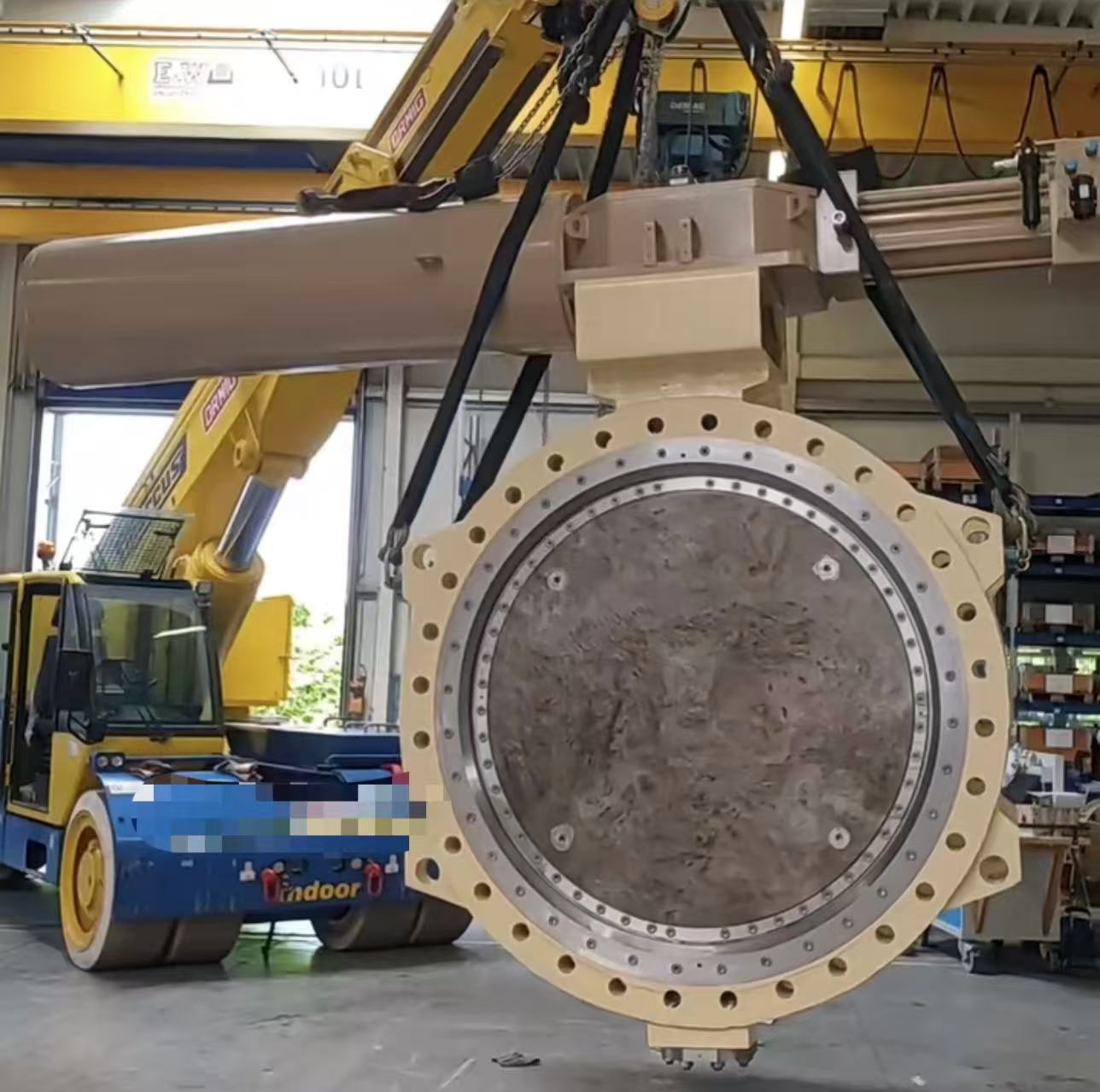
      What is a Butterfly Valve and How Does It Operate? Complete Guide A butterfly valve is a high-efficiency quarter-turn flow control device widely used in commercial and industrial piping systems. Known for its ultra-compact structure, lightweight design, fast operation, and cost-saving advantages, the butterfly valve differs greatly from ball valves, gate valves, and globe valves in structural layout and working principle. It is the preferred valve type for large-diameter pipeline flow isolation, throttling, and regulation. To help engineers and purchasers accurately apply this valve in different projects, this guide fully explains the definition, internal structure, operating principle, core types, and industrial characteristics of butterfly valves. 1. What Is a Butterfly Valve? A butterfly valve is a rotary motion valve that uses a disc-shaped closure member to control fluid flow. The core components include a valve body, central valve stem, butterfly disc, and sealing seat. Compared with traditional industrial valves, butterfly valves feature a shorter face-to-face length, lighter weight, and smaller installation space, making them ideal for large-bore pipeline systems where ball valves and gate valves are bulky and costly. Industrial butterfly valves are designed for liquid, gas, and low-viscosity fluid media, widely applied in water treatment, HVAC, fire protection, chemical, power, and municipal engineering systems. They can realize full opening, full closing, and partial flow throttling, taking into account both isolation and regulation functions.   2. Core Structure of a Butterfly Valve The stable operation of a butterfly valve depends on a precise matching structural system. The main components and their functions are as follows: Valve Body: Main pressure-bearing shell, available in cast iron, ductile iron, carbon steel, and stainless steel materials, supporting overall pipeline pressure load. Valve Stem: Transmission shaft that connects the actuator and butterfly disc, delivering rotational torque to drive the disc to rotate. Butterfly Disc: The core flow control component, rotating 90 degrees to block or open the fluid passage; streamlined disc design effectively reduces flow resistance. Sealing Seat: Installed on the valve body inner wall, including rubber soft seal and metal hard seal types, responsible for pipeline tight shutoff. Actuation Device: Including manual lever, gear, pneumatic, and electric actuators, used to control valve switching and adjustment. 3. How Does a Butterfly Valve Operate? (Working Principle) The operating principle of a butterfly valve is based on 90-degree quarter-turn rotary motion, with simple and efficient action logic: When the valve receives an opening signal, the actuator drives the valve stem and the butterfly disc to rotate 90 degrees horizontally. At this time, the disc is parallel to the fluid flow direction, and the pipeline forms a fully open passage with minimal flow resistance. When closing the valve, the disc rotates 90 degrees again to be perpendicular to the fluid direction. The disc surface closely fits the sealing seat, completely blocking the fluid passage and realizing pipeline isolation and tight shutoff. In addition to full opening and closing, the butterfly disc can stay at any intermediate angle between 0° and 90°, realizing precise flow throttling and pressure regulation, which makes butterfly valves superior to gate valves in flow control performance. 4. Main Types of Butterfly Valves by Structure & Seal According to sealing form and structural design, industrial butterfly valves are divided into two core categories, adapting to different working conditions: 4.1 Soft Seated Butterfly Valve Soft seated butterfly valves adopt elastic rubber materials such as EPDM, NBR, and Viton as sealing components. They rely on the elastic deformation of rubber to achieve bubble-tight zero leakage. With low cost and good sealing performance, they are suitable for normal-temperature water, air, and conventional non-corrosive media, widely used in municipal water supply, HVAC, and fire protection systems. 4.2 Metal Seated Butterfly Valve Metal seated butterfly valves adopt metal-to-metal hard sealing structure with alloy hard-facing treatment on the disc and seat surface. They feature high temperature resistance, high pressure resistance, and abrasion resistance, capable of adapting to high-temperature steam, flue gas, and corrosive industrial media. They are the main choice for heavy-duty industrial severe service. 4.3 Wafer vs Lug Butterfly Valve Wafer butterfly valve: Clamped between two pipe flanges, ultra-thin body, space-saving, suitable for compact installation scenarios. Lug butterfly valve: With threaded lugs on both sides, bolted fixed installation, supporting single-ended pipeline maintenance and disassembly, convenient for industrial pipeline overhaul. 5. Manual vs Automated Butterfly Valve Operation Butterfly valves support diversified driving modes to meet different operational frequency and automation needs: Manual Butterfly Valve: Equipped with lever or gear operator, suitable for low-frequency on-site manual operation, economical and easy to maintain. Pneumatic Butterfly Valve: Driven by air pressure, fast switching speed, with excellent explosion-proof performance, suitable for hazardous industrial environments. Electric Butterfly Valve: Driven by electric actuator, supporting remote control, signal feedback, and proportional regulation, matching intelligent pipeline control systems. 6. Key Advantages of Butterfly Valves Ultra-compact and lightweight, saving installation space and engineering cost Fast 90-degree quarter-turn operation, improving pipeline response efficiency Suitable for large-diameter pipeline systems with low overall cost Dual functions of isolation and flow throttling Simple structure, few wearing parts, and low maintenance cost 7. Industrial Applications of Butterfly Valves Butterfly valves are widely used in low-to-medium pressure and large-flow pipeline scenarios, including municipal water treatment, HVAC refrigeration systems, fire fighting pipeline systems, chemical fluid transmission, power plant circulating water systems, and environmental protection exhaust and flue gas treatment projects. 8. GEKO Valve High-Quality Butterfly Valve Solutions GEKO Valve provides a full range of industrial butterfly valves, including wafer and lug type, soft seat and metal seat designs, as well as manual, pneumatic, and electric actuated butterfly valves. Our products adopt precision casting and streamlined disc design, featuring stable sealing performance, flexible operation, and strong working condition adaptability. All valves comply with international industrial standards, providing reliable large-diameter fluid control solutions for global municipal and industrial pipeline projects. 9 Core SEO Keywords: Wafer Butterfly Valve, Lug Butterfly Valve, Soft Seated Butterfly Valve, Metal Seated Butterfly Valve, Pneumatic Butterfly Valve, Electric Butterfly Valve, Large Diameter Butterfly Valve, Industrial Butterfly Valve, Quarter Turn Butterfly Valve
    اقرأ المزيد
  • How to Choose the Right Ball Valve for Industrial Applications
    How to Choose the Right Ball Valve for Industrial Applications
    Sep 14, 2026
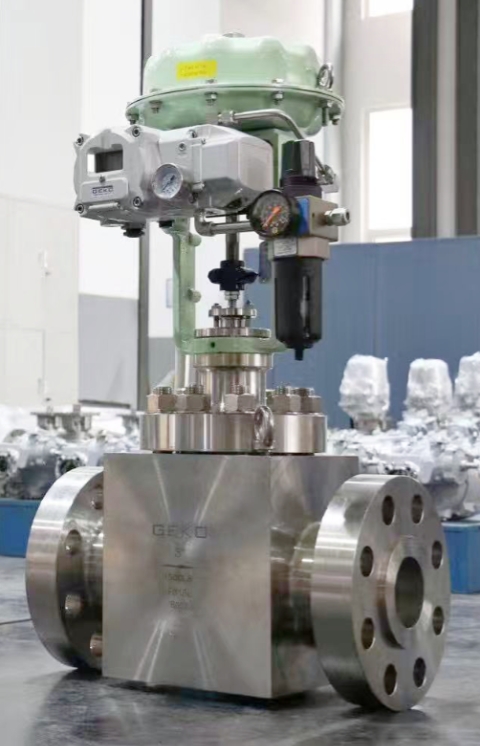
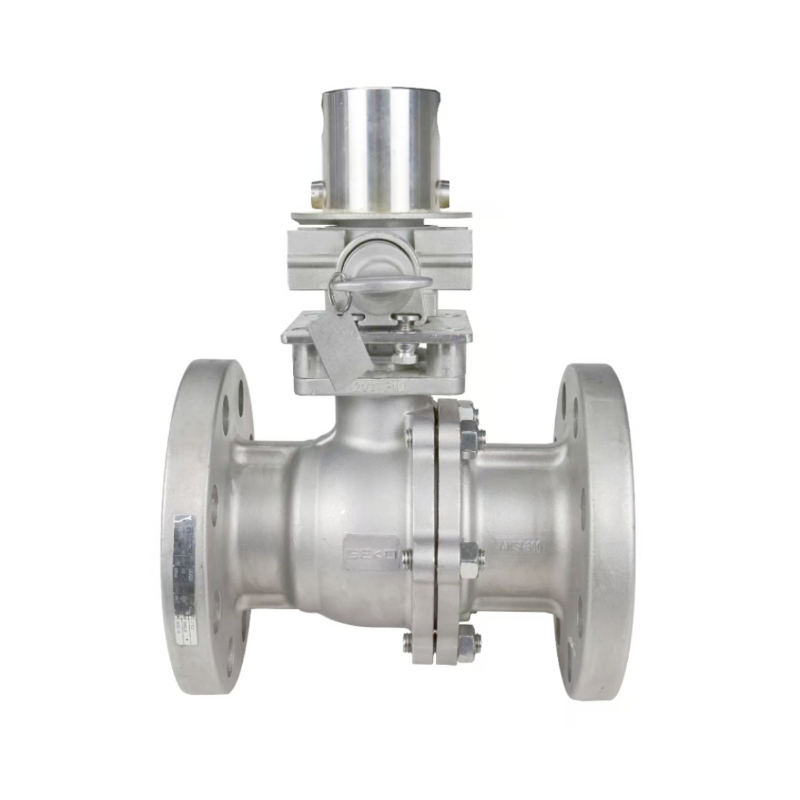
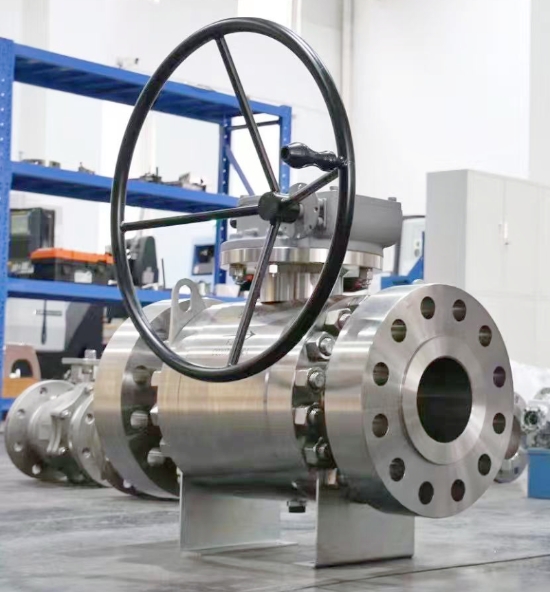
      Ball valves are indispensable fluid control components in industrial piping systems, widely used for medium isolation, flow regulation, and pipeline protection across various heavy-duty industries. Different from general civil valves, industrial ball valves need to adapt to complex working conditions such as high pressure, extreme temperature, corrosive media, and frequent switching cycles. Choosing a mismatched industrial ball valve will easily cause leakage, jamming, seal failure, and frequent equipment maintenance, seriously affecting production efficiency and pipeline safety. This professional guide systematically explains the full set of industrial ball valve selection methods and key judgment standards, helping engineers and procurement teams accurately select the most suitable ball valve for different industrial applications.   1. Confirm Industrial Working Condition Parameters (Core Selection Basis) All industrial ball valve selections must be based on actual pipeline working parameters. Clear and accurate condition confirmation is the primary premise to avoid selection errors.   1.1 Medium Characteristics Different fluid media determine the valve body material, sealing type and structural configuration. Clean media such as water, air and natural gas can adopt conventional soft-sealed ball valves with low cost and zero leakage. For corrosive media including acid, alkali and chemical solvents, anti-corrosion alloy or lined ball valves are required. For abrasive media such as slurry, coal ash and granular mixtures, wear-resistant hard-sealed ball valves must be selected to prevent rapid scouring damage to sealing surfaces.   1.2 Operating Pressure and Temperature Industrial pipelines have strict pressure and temperature rating requirements. Low-pressure and medium-pressure conventional industrial systems can use standard-pressure ball valves. Heavy-duty industrial scenarios such as oil and gas transmission, thermal power and petrochemical industries need high-pressure industrial ball valves with stable pressure resistance. In terms of temperature, normal-temperature media apply to polymer soft sealing; high-temperature steam and hot oil systems require high-temperature resistant metal-seated ball valves; ultra-low temperature industrial environments such as liquefied gas need professional cryogenic ball valves to ensure stable sealing performance in extreme cold conditions. 2. Select Ball Valve Structure According to Industrial Scenarios Different ball valve structural designs correspond to exclusive industrial application scenarios, and structural matching directly determines the service life and operational stability of the valve. 2.1 Floating vs Trunnion Mounted Structure Floating ball valves feature simple structure and cost-effective performance, suitable for small-bore, low and medium-pressure general industrial pipelines such as water treatment, HVAC and light chemical industries. Trunnion mounted ball valves adopt fixed trunnion support design, which can bear high pressure and frequent switching loads, and are the preferred structural type for large-diameter, high-pressure heavy-duty industrial pipelines such as long-distance oil and gas transmission and petrochemical refining systems. 2.2 Full Port vs Reduced Port Design Full port ball valves have a consistent inner diameter with the pipeline, with ultra-low flow resistance, no flow loss, and support pipeline pigging cleaning. They are suitable for industrial main pipelines with high flow demand and regular maintenance requirements. Reduced port ball valves are lightweight and low-cost, meeting the basic isolation needs of auxiliary industrial pipelines, and are widely used in non-critical industrial fluid control systems. 2.3 Integral Split Body Structure One-piece ball valves are compact and economical for simple industrial auxiliary pipelines. Two-piece ball valves are easy to disassemble and maintain, suitable for most standard industrial working conditions. Three-piece ball valves can disassemble the valve core without removing the valve body from the pipeline, which is more suitable for industrial pipelines that require frequent maintenance and uninterrupted production. 3. Sealing System Selection for Industrial Working Conditions The sealing system is the core component that determines the tightness and durability of industrial ball valves. Industrial scenarios are divided into soft sealing and metal hard sealing two mainstream types. Soft seated ball valves use PTFE and polymer composite materials, achieving bubble-tight zero leakage, applicable to clean, non-abrasive, normal-temperature industrial media. Metal seated ball valves adopt metal-to-metal hard sealing, with high temperature resistance, pressure resistance and abrasion resistance, solving the failure problem of soft seals in harsh industrial environments such as high temperature, high pressure and slurry scouring, and are the core choice for severe service industrial working conditions. 4. End Connection Mode Matching Reasonable selection of connection methods ensures stable installation and convenient maintenance of industrial valves: Flanged ball valves: Standard industrial connection, easy to install, disassemble and maintain, suitable for medium and large-diameter industrial main pipelines. Threaded ball valves: Compact structure, suitable for small-bore, low-pressure industrial auxiliary piping systems. Butt weld ball valves: Fully sealed and high-strength connection, no leakage risk, suitable for high-pressure, high-temperature and long-term continuous operation industrial pipelines. 5. Manual or Automated Operation Selection According to the industrial automation level and operation frequency of the pipeline system, select the appropriate driving method. Manual ball valves are suitable for low-frequency operation and simple manual control industrial scenarios. For modern intelligent industrial production lines, pneumatic actuated ball valves and electric actuated ball valves are configured to realize remote control, automatic switching and flow regulation, matching PLC and SCADA industrial control systems to meet unmanned production needs. 6. Common Industrial Selection Mistakes to Avoid Only selecting valves by caliber size, ignoring pressure temperature rating and medium adaptability. Using soft sealing valves in high-temperature and abrasive industrial working conditions, resulting in rapid seal aging and leakage. Blindly choosing high-spec heavy-duty valves, causing cost waste in general industrial scenarios. Mismatched actuator torque, leading to valve jamming and incomplete switching in high-pressure industrial pipelines. 7. Professional Industrial Ball Valve Solutions from GEKO Valve GEKO Valve focuses on the R&D and manufacturing of industrial-grade ball valves, providing full-series customized selection solutions for diverse industrial applications. Our product lineup covers floating and trunnion mounted ball valves, full port and reduced port ball valves, soft sealed and metal seated ball valves, as well as various flanged, threaded and welded connection types. We support manual, pneumatic and electric automated configurations, fully adapting to water treatment, chemical, petrochemical, oil and gas, power and other industrial fields. All industrial ball valves comply with international standards, with stable performance, strong working condition adaptability and low maintenance rate, providing reliable fluid control guarantee for global industrial pipeline projects. 9 Core SEO Keywords: Industrial Ball Valve, Heavy Duty Ball Valve, High Pressure Ball Valve, Industrial Isolation Valve, Automated Industrial Ball Valve, Three Piece Industrial Ball Valve, Metal Seated Industrial Ball Valve, Full Port Industrial Ball Valve, Corrosion Resistant Industrial Ball Valve
    اقرأ المزيد
  • The Essential Guide to Ball Valves: Types, Uses, and More | GEKO Valve
    The Essential Guide to Ball Valves: Types, Uses, and More | GEKO Valve
    Sep 14, 2026
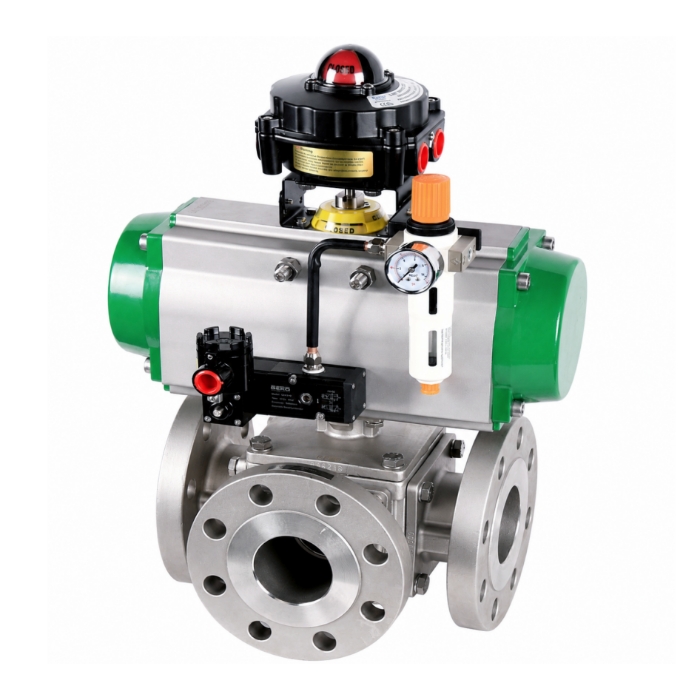
      The Essential Guide to Ball Valves: Types, Uses, and More Ball valves are among the most widely adopted quarter-turn fluid control components in modern industrial piping. Favored for quick 90-degree operation, dependable tight shutoff, compact footprint and long service life, ball valves outperform many traditional valve styles for isolation and flow management. This essential guide breaks down ball valve categories, practical industrial uses, key construction features and helpful buying considerations to assist plant engineers, pipeline designers and procurement specialists in understanding industrial ball valves.   1. Main Types of Ball Valves Ball valves are classified based on body design, sealing configuration, bore size, end connection and actuation style. Each variant is engineered for distinct operating environments and fluid services. 1.1 Body Construction Styles One piece ball valve features a single-piece compact body, ideal for small bore, low-pressure general service with lower cost. Two-piece ball valves consist of two assembled body halves, offering convenient disassembly for inspection and maintenance. Three-piece ball valve allows the core trim to be removed without detaching the valve body from the pipeline, greatly simplifying on-site repair and servicing.   1.2 Sealing & Bore Variants Soft-seated ball valves deliver bubble-tight shutoff for clean, moderate-temperature media. Metal-seated ball valves handle high heat, high pressure and abrasive slurries. Full bore ball valves maintain an unobstructed flow path for pigging operations, while reduced bore ball valves provide an economical option for standard isolation duties.   1.3 Manual & Automated Ball Valves Handwheel or lever operated manual ball valves work well for infrequent operation. Automated versions include pneumatic ball valves and electric ball valves for remote control and continuous process automation. 2. Common Industrial Uses for Ball Valves Oil and Gas Industry: Ball valves provide reliable pipeline isolation, handling natural gas, crude oil and refined products across upstream, midstream and downstream processes. Chemical Processing: Corrosion-resistant ball valves manage acids, alkalis and reactive chemicals, protecting piping systems from medium erosion. Water Treatment & HVAC: Stainless steel and carbon steel ball valves regulate water circulation, wastewater and chilled water lines. Power Plants: Heavy-duty ball valves control steam, cooling water and process fluid under high temperature and pressure conditions. Food & Beverage: Sanitary ball valves with polished internal surfaces prevent media contamination and meet hygienic requirements. 3. Key Specifications to Understand When evaluating ball valves, pay attention to pressure class, temperature rating, body material, seat material and end connections. Flanged ball valves simplify installation and removal. Threaded ball valves suit small auxiliary piping, while butt weld ball valves deliver robust permanent connections for high-pressure process lines. Media compatibility is critical. For harsh corrosive media, lined ball valves offer reliable protection. For extreme demanding operating environments, severe service ball valves with hardened sealing surfaces are recommended. If partial flow adjustment is required, a modulating ball valve can provide precise flow regulation instead of simple on/off switching. For ultra-low temperature applications, a cryogenic ball valve is specially engineered to preserve sealing performance under cryogenic conditions. 4. Practical Tips for Ball Valve Maintenance Conduct periodic visual inspection for external leakage at body joints and stem seals. Test valve operation regularly to prevent sticking caused by sediment buildup. Select proper seat materials matching your fluid medium to avoid premature seal degradation. Protect automated actuators from excessive vibration, moisture and extreme ambient temperatures. 5. GEKO Valve Ball Valve Supply GEKO Valve manufactures a complete range of industrial ball valves including one-piece, two-piece and three-piece designs, with stainless steel and carbon steel body options. We supply cryogenic ball valve, lined ball valve, modulating ball valve and severe service ball valve solutions, along with flanged and butt weld end configurations. Every valve is factory tested to meet global industry standards, supporting reliable pipeline isolation for global industrial projects. 9 Core SEO Keywords: Three Piece Ball Valve, One Piece Ball Valve, Two Piece Ball Valve, Sanitary Ball Valve, Threaded Ball Valve, Ball Valve Trim, Ball Valve Body, High Temperature Ball Valve, Process Isolation Valve
    اقرأ المزيد
  • How to Select the Right Ball Valve for Your Application | GEKO Valve
    How to Select the Right Ball Valve for Your Application | GEKO Valve
    Sep 14, 2026
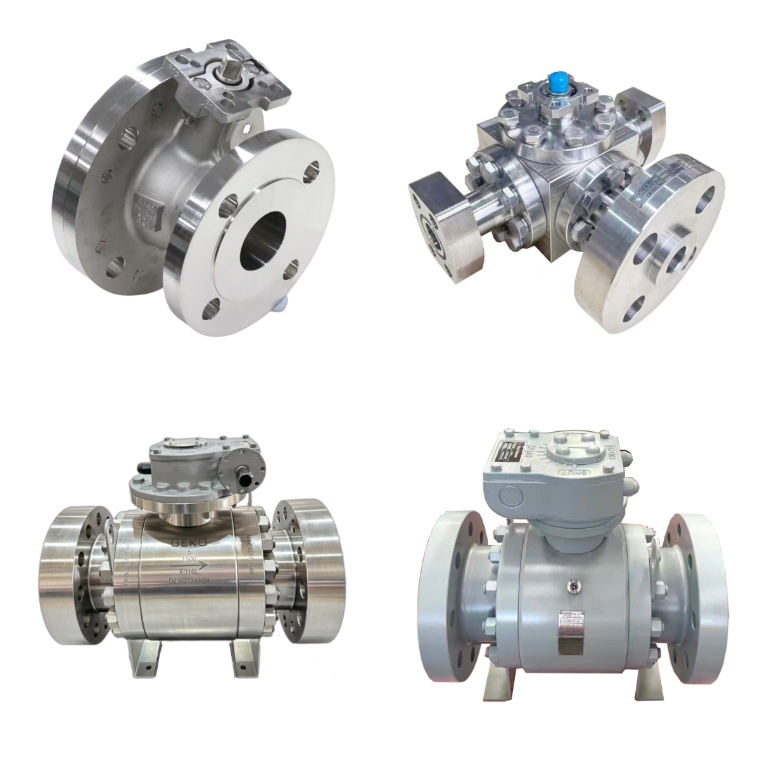
      How to Select the Right Ball Valve for Your Application Selecting the right ball valve is critical to secure long-term pipeline safety, minimize downtime, and avoid unnecessary replacement costs. With countless valve designs, body materials, sealing options and actuation choices available on the market, many plant engineers and procurement teams struggle to match ball valves to unique process requirements. This practical guide walks you through the core factors to evaluate before purchase, helping you pick a suitable ball valve tailored exactly to your application.   1. Define Your Fluid Medium Properties The first step in ball valve selection is analyzing the fluid that flows through the pipeline. Media properties directly decide valve body material, seat material and corrosion protection requirements. Clean non-corrosive media such as water and compressed air: Carbon steel or stainless steel ball valves with polymer seats work perfectly for general isolation service. Corrosive chemicals, acids and alkalis: Choose corrosion-resistant ball valves made from stainless steel, alloy or lined construction to prevent chemical erosion. Abrasive media including slurry, mineral particles: Metal hard-seated ball valves are recommended to resist wear and extend service life. High viscosity or sticky fluids: Special optimized ball cavity design prevents medium buildup and jamming. 2. Confirm Operating Pressure and Temperature Range Every ball valve has a rated pressure-temperature envelope. Never operate a valve beyond its designated rating, or you risk leakage, seat damage or even structural failure. For high-pressure process lines, heavy-duty pressure class ball valves are required. For cryogenic services, specially treated low-temperature ball valves maintain sealing performance under extreme cold. For high-temperature steam or hot oil applications, metal seated ball valves are preferred over soft polymer seats which will degrade under heat.   3. Choose Bore Size and End Connection Type Flow requirement determines whether you need full bore or reduced bore construction. Full bore ball valves deliver unrestricted flow and support pipeline pigging, ideal for high-flow transfer lines. Reduced bore ball valves offer cost savings for standard isolation applications where pressure drop is not a major concern. Common end connections include flanged ends, threaded ends and butt-weld ends. Flanged ball valves simplify on-site installation and maintenance. Butt-weld ball valves provide superior tightness for high-pressure permanent process pipelines, while threaded ball valves suit small-bore low-pressure auxiliary piping.   4. Pick Suitable Sealing and Body Materials Seat material selection balances sealing tightness and working condition adaptability. Soft-seated ball valves deliver bubble-tight shutoff at moderate temperatures, while metal-seated ball valves withstand extreme temperature and abrasive service. Common body materials include A105 carbon steel, 304 stainless steel and 316 stainless steel. Special alloy options are available for severe corrosive or high-temperature applications.   5. Select Manual or Automated Actuation Consider operation frequency and control method for your site. Manual ball valves with lever or gear handles are economical for infrequent on-site operation. For automated process plants, pneumatic ball valves and electric ball valves enable remote on-off or modulating control. Pneumatic actuators are widely used in explosion-risk environments, while electric actuators are convenient for unmanned stations without compressed air supply. 6. Review Industry Standards and Certification Always verify relevant industry standards before finalizing your valve specification. API, ASME and ISO certified ball valves follow strict manufacturing and test protocols, ensuring consistent quality for oil & gas, chemical and power projects. For special industries such as water or fire protection, check if additional approvals are mandatory. 7. Avoid Common Ball Valve Selection Pitfalls Selecting valve only by nominal size without checking pressure-temperature rating Using soft seats in high-temperature or abrasive slurry applications Ignoring medium corrosion and choosing incompatible body material Mismatched end connection leading to assembly trouble on site Under-sizing actuator torque, causing valve failing to open or close GEKO Valve Custom Ball Valve Solutions GEKO Valve supplies custom and standard ball valves to match diverse application requirements. Our engineering team reviews your medium, temperature, pressure and control needs to recommend the most cost-effective ball valve solution. All valves undergo factory pressure testing to guarantee reliable performance for your industrial piping systems. 9 Core SEO Keywords: Cryogenic Ball Valve, Butt Weld Ball Valve, Flanged Ball Valve, Lined Ball Valve, Modulating Ball Valve, Severe Service Ball Valve, Stainless Steel Ball Valve, Carbon Steel Ball Valve, Pipeline Isolation Valve
    اقرأ المزيد
  • Ball Valves 101: Types, Applications, and Selection Criteria | GEKO Valve
    Ball Valves 101: Types, Applications, and Selection Criteria | GEKO Valve
    Sep 13, 2026
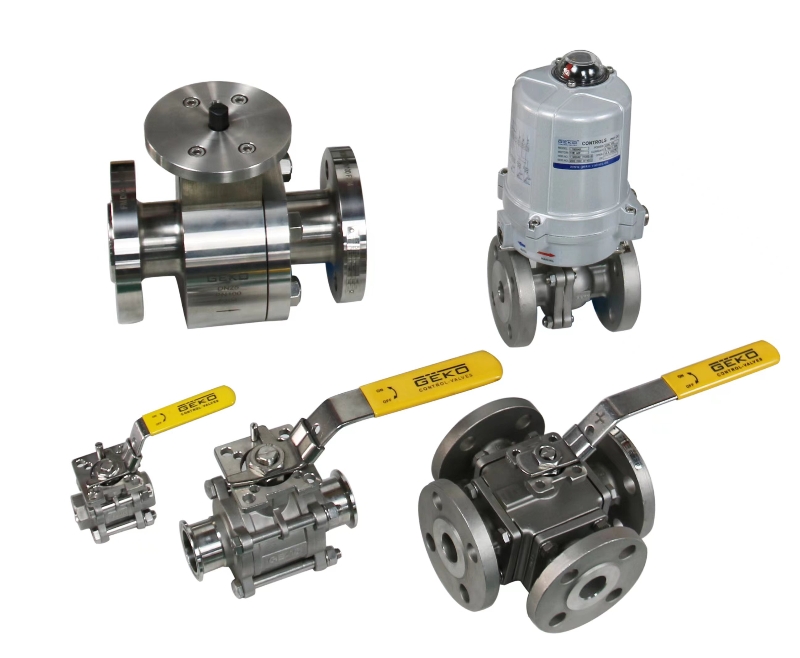
      Ball Valves 101: Types, Applications, and Selection Criteria Ball valves are foundational quarter-turn flow control components widely adopted in industrial piping systems worldwide. Renowned for their compact structure, fast 90-degree on/off operation, reliable tight shutoff, and exceptional durability, industrial ball valves outperform traditional gate valves and globe valves in most fluid isolation and regulation scenarios. For system designers, engineers, and procurement teams, understanding ball valve classifications, industry-specific applications, and standardized selection criteria is essential to eliminate pipeline failures, reduce maintenance costs, and optimize system operational efficiency. This Ball Valves 101 guide delivers systematic, easy-to-understand professional knowledge for accurate ball valve selection. 1. Primary Types of Industrial Ball Valves Industrial ball valves are categorized by structural design, bore specification, sealing configuration, and actuation method. Each type features unique performance characteristics and exclusive applicable working conditions:   1.1 Floating Ball Valve & Trunnion Mounted Ball Valve Floating ball valves feature a free-floating ball structure without fixed shaft support. Under medium pressure, the ball presses tightly against the downstream seat to achieve bubble-tight sealing. With a simple, lightweight structure and cost-effective advantages, floating ball valves are the ideal choice for small-size, low to medium-pressure conventional pipelines, extensively used in water treatment, HVAC, and general industrial fluid systems. Trunnion mounted ball valves adopt dual upper and lower trunnion fixed support design, which locks the ball in a stable position. This structure effectively reduces sealing seat pressure and operating torque, minimizing wear and extending service life. Suited for large-size, high-pressure, and high-cycle working scenarios, trunnion ball valves are the mainstream heavy-duty solution for oil & gas transmission, petrochemical refining, and long-distance industrial pipeline systems.   1.2 Full Port Ball Valve & Reduced Port Ball Valve Full port ball valves are designed with a straight-through bore matching the pipe inner diameter, achieving nearly zero flow resistance and ultra-low pipeline pressure drop. This design supports full pipeline pigging and cleaning operations, making it perfect for high-flow transmission pipelines and process main lines requiring unobstructed fluid passage and convenient daily maintenance. Reduced port ball valves adopt a streamlined reduced bore structure, featuring lighter weight, smaller volume, and lower manufacturing costs. Although the flow passage is slightly narrowed, it fully meets conventional isolation and flow control demands. It is the most cost-effective option for ordinary industrial pipelines without strict low-pressure-drop or pigging requirements.   1.3 Soft Seated & Metal Seated Ball Valve Soft seated ball valves utilize high-performance PTFE and polymer composite sealing materials, achieving absolute zero leakage under normal temperature and clean medium conditions. With low friction coefficient and flexible switching performance, they are widely applied in clean water, compressed air, natural gas, and non-abrasive conventional chemical media. Metal seated ball valves adopt professional metal-to-metal hard sealing structure with alloy hard-facing treatment on sealing surfaces. Featuring excellent high-temperature resistance, high-pressure resistance, and abrasion resistance, they can stably operate in harsh environments such as abrasive slurry, corrosive media, and repeated thermal cycling, solving the aging and failure problems of soft sealing materials. 1.4 Manual & Actuated Ball Valves Manual ball valves with handle or gear operation are suitable for low-frequency manual control scenarios, with simple structure and low maintenance cost. For modern automated industrial systems,pneumatic actuated ball valves and electric actuated ball valves are essential configurations. Pneumatic ball valves provide fast switching speed and reliable explosion-proof performance for flammable and hazardous working conditions. Electric ball valves support precise flow modulation and remote signal linkage, perfectly matching PLC and SCADA intelligent control systems.   2. Common Industrial Applications of Ball Valves Different ball valve types correspond to targeted industrial scenarios. Reasonable type matching based on process characteristics ensures long-term stable and reliable pipeline operation: Water Treatment & HVAC Systems: Soft seated floating ball valves and reduced port ball valves are widely used for water supply, drainage, and central air conditioning circulation pipelines, balancing cost and sealing stability. Oil & Gas Industry: Heavy-duty trunnion mounted ball valves and full port ball valves are adopted for long-distance transmission pipelines to ensure low pressure loss and support professional pipeline pigging maintenance. Chemical & Petrochemical Plants: High-performance metal seated ball valves and anti-corrosion ball valves are configured for high-temperature, corrosive, and abrasive process media to adapt to severe service conditions. Power Generation & Thermal Energy: High-temperature resistant metal seated ball valves are applied for steam pipelines, thermal cycling systems, and high-pressure process equipment to resist extreme temperature changes and medium scouring. Intelligent Manufacturing: Automated pneumatic and electric actuated ball valves realize unmanned switching, remote monitoring, and precise flow regulation for intelligent production pipelines. 3. Standard Ball Valve Selection Criteria Scientific ball valve selection must follow standardized criteria, avoiding simple size-only matching. The core selection rules cover structure, sealing, bore type, actuation, and working condition adaptation: Structural Selection Criteria: Choose floating ball valves for small-bore, low and medium-pressure conventional pipelines; select trunnion mounted ball valves for large-bore, high-pressure, and high-frequency cycling heavy-duty pipelines. Sealing Selection Criteria: Adopt soft seated ball valves for normal-temperature, clean, non-abrasive media requiring zero leakage; use metal seated ball valves for high-temperature, high-pressure, abrasive, and corrosive harsh working conditions. Bore Type Selection Criteria: Prioritize full port ball valves for high-flow, low-pressure-drop pipelines and systems requiring pigging cleaning; choose reduced port ball valves for general isolation scenarios to save project costs. Actuation Selection Criteria: Configure manual operation for low-frequency switching; select pneumatic actuators for explosion-proof hazardous areas; adopt electric actuators for remote intelligent control and precise flow regulation. Working Condition Matching Criteria: Verify valve pressure class, temperature resistance grade, and material compatibility according to actual medium characteristics, operating temperature, and maximum working pressure to prevent sealing failure and valve damage. 4. Key Benefits of High-Quality Industrial Ball Valves Qualified industrial ball valves deliver irreplaceable advantages for modern fluid control systems, including fast quarter-turn operation, compact installation space, bubble-tight shutoff performance, strong medium adaptability, and low long-term maintenance cost. Whether for general civil piping or heavy-duty industrial process systems, properly selected ball valves can effectively improve pipeline operational efficiency and reduce system failure rates. 5. GEKO Valve Reliable Ball Valve Solutions GEKO Valve provides a full lineup of standardized and customized industrial ball valves, covering floating ball valves, trunnion mounted ball valves, full port & reduced port ball valves, soft seated & metal seated ball valves, and complete pneumatic/electric actuated ball valve packages. All products comply with international industrial standards, with rigorous quality inspection and stable performance. We provide professional one-stop selection guidance to match the most suitable ball valve for different industrial working conditions, delivering high-reliability and low-maintenance fluid control solutions for global industrial projects. 9 Core SEO Keywords: Industrial Ball Valve, High Pressure Ball Valve, Low Pressure Ball Valve, API Standard Ball Valve, Process Ball Valve, Quarter Turn Ball Valve, Isolation Ball Valve, Corrosion Resistant Ball Valve, Automated Ball Valve
    اقرأ المزيد
  • Ball Valve Selection Made Easy: Types, Applications, and Tips | GEKO Valve
    Ball Valve Selection Made Easy: Types, Applications, and Tips | GEKO Valve
    Sep 13, 2026
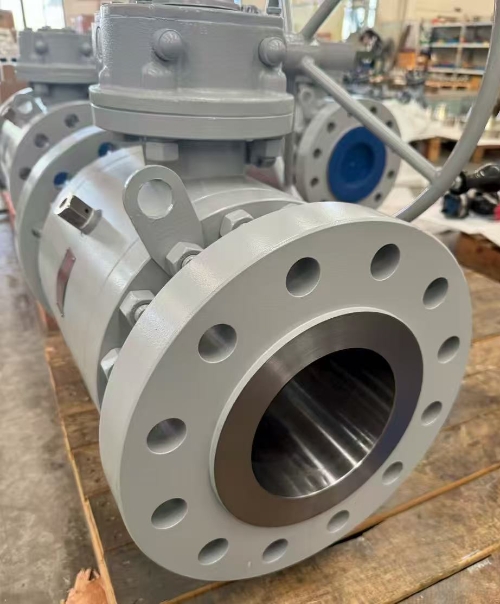
      Ball Valve Selection Made Easy: Types, Applications, and Tips Ball valves are the most versatile fluid control devices in modern industrial piping systems. Known for their quarter‑turn fast operation, bubble‑tight shutoff, compact structure, and long service life, ball valves are widely used to isolate or regulate gas, liquid, and slurry media across various industries. However, due to multiple valve structures, sealing types, bore sizes, and actuation options, many engineers and purchasers face confusion during selection. This article simplifies ball valve selection by clarifying common ball valve types, typical industrial applications, and practical selection tips to help you choose the correct industrial ball valve for your working conditions.   1. Common Types of Industrial Ball Valves Understanding ball valve classification is the foundation of correct selection. Industrial ball valves are mainly divided by structure, bore design, sealing method, and operation type. 1.1 Floating Ball Valve vs Trunnion Mounted Ball Valve Floating ball valves feature a free‑floating ball that relies on medium pressure to achieve sealing. With a simple structure and cost‑effective advantages, floating ball valves are ideal for small‑size, low‑pressure and medium‑pressure pipelines. They are widely used for general isolation and flow control in water treatment, HVAC, and light chemical systems.     Trunnion mounted ball valves adopt fixed upper and lower trunnions to lock the ball in place. This structural design greatly reduces operating torque and seat wear, allowing stable operation under large size, high pressure, and frequent cycling conditions. Trunnion ball valves are the preferred solution for heavy‑duty oil & gas pipelines, petrochemical process lines, and long‑distance transmission systems.   1.2 Full Port Ball Valve vs Reduced Port Ball Valve Full port ball valves have a straight bore identical to the pipe inner diameter, providing minimal pressure drop and allowing pipeline pigging. They are suitable for high‑flow pipelines and systems that require low flow resistance and easy pipeline maintenance. Reduced port ball valves have a smaller streamlined bore. They are lighter and more economical while meeting normal isolation requirements. Reduced port ball valves are widely used for general industrial pipelines where ultra‑low pressure drop and pigging are not required.   1.3 Soft Seated vs Metal Seated Ball Valve Soft seated ball valves use PTFE or other polymer materials for sealing, achieving bubble‑tight zero leakage at normal temperatures. They perform well in clean water, gas, and non‑abrasive chemical media and feature low operating torque and reliable sealing. Metal seated ball valves adopt metal‑to‑metal hard sealing with hardened or alloy‑coated seat surfaces. With high temperature resistance, high pressure resistance, and abrasion resistance, metal seated ball valves can handle abrasive slurry, thermal cycling, and corrosive media that soft seals cannot withstand. 1.4 Manual and Actuated Ball Valves Manual ball valves are suitable for low‑frequency operation and simple pipeline control. For automated industrial systems, pneumatic actuated ball valves and electric actuated ball valves are mainstream choices. Pneumatic ball valves offer fast switching and explosion‑proof performance, while electric ball valves support remote control and precise flow regulation for intelligent pipeline systems. 2. Industrial Applications of Ball Valves Different ball valve types correspond to specific industry scenarios. Matching valves based on process media, temperature, pressure, and operation frequency ensures stable long‑term performance. Water Treatment & HVAC: Soft seated floating ball valves and reduced port ball valves are commonly used for water supply, drainage, and air conditioning circulation pipelines. Chemical & Petrochemical Industry: Metal seated ball valves and anti‑corrosion ball valves are applied for corrosive, high‑temperature, and abrasive process media. Oil & Gas Transmission: Trunnion mounted ball valves and full port ball valves ensure safe isolation, low pressure loss, and convenient pipeline pigging. Power & Thermal Energy: High‑temperature resistant metal seated ball valves adapt to steam, thermal cycling, and high‑pressure working conditions. Automated Process Industry: Pneumatic and electric actuated ball valves realize automatic switching, remote monitoring, and intelligent flow control. 3. Practical Ball Valve Selection Tips Follow these simple and professional tips to avoid selection errors and improve pipeline system stability: Match structure with pressure and size: Choose floating ball valves for small low‑pressure pipelines and trunnion mounted ball valves for large high‑pressure service. Select sealing type by medium: Use soft seats for clean normal‑temperature media and metal seats for high‑temperature, abrasive, and corrosive media. Choose bore type according to flow demand: Select full port ball valves for low pressure drop and pigging requirements; use reduced port ball valves for cost‑effective general isolation. Select actuation mode reasonably: Use pneumatic actuators for explosion‑proof environments and electric actuators for remote intelligent control. Verify temperature and pressure rating: Always confirm valve class and material adaptability to extreme working conditions to prevent leakage and deformation. 4. Why Choose GEKO Valve Ball Valves GEKO Valve provides a full range of high‑performance industrial ball valves, including floating ball valves, trunnion mounted ball valves, full port and reduced port ball valves, soft seated and metal seated ball valves, as well as customized pneumatic and electric actuated ball valve packages. All valves are manufactured according to international standards, delivering stable sealing performance, low maintenance, and long service life for global industrial piping systems. 9 Core SEO Keywords: Floating Ball Valve, Trunnion Mounted Ball Valve, Full Port Ball Valve, Reduced Port Ball Valve, Metal Seated Ball Valve, Soft Seated Ball Valve, Pneumatic Actuated Ball Valve, Electric Actuated Ball Valve, Industrial Pipeline Ball Valve
    اقرأ المزيد
  • Metal Seated Ball Valves: Valve Seat Hardening Treatments, Sealing Materials & Technical Selection Guide
    Metal Seated Ball Valves: Valve Seat Hardening Treatments, Sealing Materials & Technical Selection Guide
    Sep 07, 2026
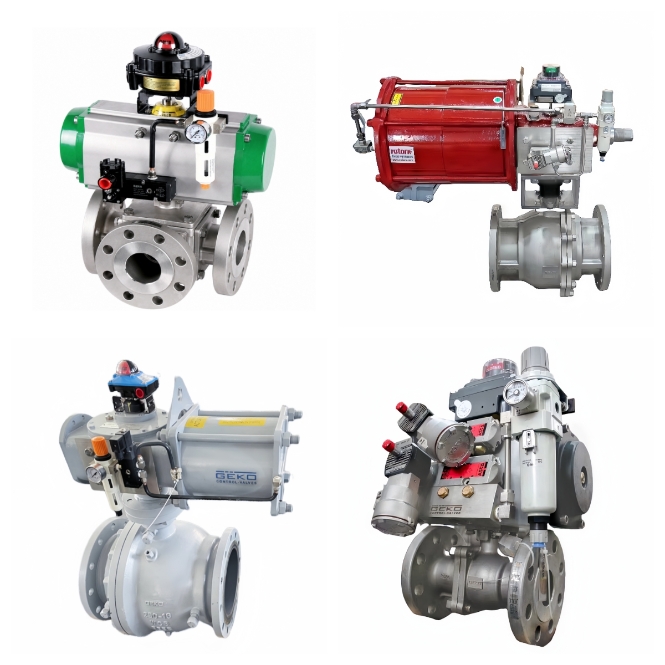
    Metal Seated Ball Valves: Valve Seat Hardening Treatments, Sealing Materials & Technical Selection Guide Metal seated ball valves (hard sealed ball valves) are engineered for severe industrial service, including high-temperature, high-pressure, abrasive slurry, and corrosive piping conditions. Unlike polymer-based soft-seated valves with PTFE sealing components, metal seated ball valves rely on precision-treated metal valve seats and ball sealing surfaces to deliver wear resistance, thermal stability, fatigue resistance, and long-cycle operational reliability. The core performance difference of hard-sealed ball valves lies in two key technical factors: professionalvalve seat hardening treatment processes and high-performance hard-facing sealing materials. This technical guide systematically elaborates mainstream metal seat processing technologies, sealing material properties, process principles, and engineering application standards, providing accurate technical basis for industrial valve selection and system design. 1. Core Technical Principle of Metal Seated Ball Valves Metal seated ball valves adopt pure metal-to-metal hard sealing structure, with no elastic polymer sealing elements. The valve ball and valve seat form a precision-fitted sealing pair. Through professional surface hardening treatment and ultra-precision finishing processing, the sealing surface obtains high hardness, flatness and wear resistance, realizing stable tight shutoff under extreme working conditions where soft seal valves are prone to aging, deformation and failure. All processing technologies and material configurations are designed to solve industrial pain points such as high-temperature failure, slurry scouring, pressure impact and frequent switching wear. 2. Mainstream Metal Valve Seat Hardening & Surface Treatment Processes Valve seat surface treatment is the core manufacturing process that determines the service life and sealing grade of metal seated ball valves. GEKO Valve sorts four industrial-standard professional hardening treatment processes, covering conventional reinforcement to high-end precision strengthening technologies: 2.1 Integral Quenching & Hardening Treatment Process Overview: The integral hardening process adopts overall quenching and tempering treatment for high-chromium stainless steel substrates (410/420 martensitic stainless steel), realizing integral hardness improvement of the valve seat without surface spraying or surfacing. The processed seat features uniform hardness, stable structural performance and excellent overall rigidity. Technical Advantages: Low cost, simple and mature process, no coating peeling risk, good structural stability. Applicable Scenarios: Conventional high-pressure water, gas, low-abrasion industrial media, cost-effective general heavy-duty isolation pipelines. 2.2 PTA Plasma Transferred Arc Surfacing Process Overview: As the mainstream hard-facing surfacing technology for industrial valve seats, PTA surfacing melts high-performance alloy materials (mainly Stellite cobalt-chromium alloy) onto the valve seat and ball sealing surface through high-temperature plasma arc. A thick, dense and metallurgically bonded hard alloy layer is formed on the substrate surface. Technical Advantages: Thick hard-facing layer, strong bonding force, anti-peeling, anti-cracking, balanced hardness and toughness, excellent anti-galling and thermal fatigue resistance. Applicable Scenarios: High-temperature thermal cycling pipelines, steam systems, frequent switching industrial equipment, petrochemical refining process pipelines. 2.3 HVOF High-Velocity Oxygen Fuel Thermal Spraying Process Overview: HVOF is a high-end precision thermal spraying technology, which takes tungsten carbide, chromium carbide and other high-hardness alloy powders as raw materials. The powders are accelerated and melted by high-velocity flame flow, and uniformly deposited on the valve sealing surface to form an ultra-hard compact coating. Technical Advantages: Ultra-high surface hardness, uniform coating thickness, low thermal impact on substrate, excellent anti-abrasion and anti-erosion performance. Applicable Scenarios: Abrasive slurry, mineral powder, coal chemical scouring media, high-temperature oxidation industrial pipelines. 2.4 Precision Lapping & Mirror Finishing Treatment Process Overview: It is the essential final finishing process for all high-grade metal seated valves. Through coarse grinding, fine grinding and ultra-precision paired lapping, the microscopic tool marks and surface irregularities on the sealing surface are eliminated. The ball and seat sealing pair achieve 100% high-precision fitting, forming a mirror-level smooth sealing surface. Technical Advantages: Effectively improve sealing tightness, realize API high-grade zero leakage, reduce switching friction, and extend valve service life. Applicable Scenarios: All metal seated ball valves requiring high-precision sealing, frequent switching and long-term stable operation. 3. Industrial-Grade Sealing Hard-Facing Materials & Technical Properties Matching professional hardening processes with exclusive sealing materials is the key to adapting to different severe working conditions. The following four alloy materials are the mainstream standard configurations for industrial metal valve seats: 3.1 Stellite Cobalt-Chromium Alloy Process Matching: PTA Plasma Surfacing Technical Properties: API standard valve dedicated alloy, hardness HRC 38–55, with excellent thermal stability, anti-galling performance and medium corrosion resistance. It will not soften or deform under long-term high-temperature working conditions, and maintains stable sealing performance after thousands of switching cycles. Application: Petrochemical refining, thermal power steam pipelines, cyclic heat treatment systems, conventional corrosive process media. 3.2 Tungsten Carbide (WC-Co) Alloy Process Matching: HVOF Thermal Spraying Technical Properties: The hardest valve sealing material in industrial applications, with ultra-strong abrasion resistance and anti-scouring ability. It can resist severe wear caused by solid particles, slurry and powder media. The maximum applicable temperature is 400°C. Application: Mining slurry transmission, coal chemical ash pipelines, chemical powder medium, sewage sludge and high scouring working conditions. 3.3 Chromium Carbide (Cr3C2-NiCr) Alloy Process Matching: HVOF Thermal Spraying Technical Properties: Focuses on high-temperature oxidation resistance and thermal fatigue resistance, with a maximum service temperature of 815°C. It maintains stable hardness and structural integrity in ultra-high temperature environments, making up for the high-temperature performance defects of tungsten carbide materials. Application: Coking equipment, high-temperature flue gas pipelines, hot oil circulation systems, long-term thermal cycling harsh industrial environments. 3.4 Hardened High-Chromium Stainless Steel Process Matching: Integral Quenching Hardening Technical Properties: Moderate hardness, stable mechanical performance, excellent cost performance. The integral hardened valve seat has good wear resistance for conventional harsh media, no coating falling off risk, and simple later maintenance. Application: Municipal water treatment, general industrial high-pressure gas and liquid pipelines, conventional heavy-duty isolation systems. 4. Sealing Grade & Core Technical Advantages After professional hardening treatment and precision lapping, GEKO metal seated ball valves stably reach API standard Class IV, Class V and Class VI ultra-tight shutoff grades. Compared with soft-sealed ball valves, they possess irreplaceable technical advantages: resistant to high temperature up to 800°C, tolerant of high pressure and pressure impact, anti-slurry scouring, anti-thermal fatigue, no seal aging failure, and ultra-long service life in severe industrial working conditions. 5. Engineering Selection Rules by Process & Material •High-temperature thermal cycling working conditions: Priority to select PTA Stellite alloy surfacing valve seats with excellent thermal stability. •High-abrasion slurry scouring working conditions: Adopt HVOF tungsten carbide coated hard sealing surfaces for maximum wear resistance. •Ultra-high temperature oxidation working conditions: Configure HVOF chromium carbide coating to ensure long-term high-temperature operational stability. •General cost-effective heavy-duty working conditions: Select integral hardened high-chromium stainless steel valve seats to balance performance and project cost. 6. GEKO Valve Professional Metal Seated Ball Valve Technical Solutions GEKO Valve provides full-series customized metal seated ball valves with complete valve seat hardening treatment processes and high-grade hard-facing materials. We support PTA Stellite surfacing, HVOF tungsten carbide/chromium carbide thermal spraying, and integral stainless steel hardening treatments. All sealing pairs undergo ultra-precision mirror lapping to achieve high-grade tight shutoff. Our products cover floating and trunnion mounted structures, fully adapting to high-temperature, high-pressure, abrasive and corrosive severe service scenarios, providing low-maintenance and high-reliability fluid control technical solutions for global industrial projects. 9 Core SEO Keywords: Stellite Hard Faced Ball Valve, Tungsten Carbide Metal Seated Ball Valve, Chromium Carbide Hard Sealed Ball Valve, HVOF Hard Coated Ball Valve, PTA Surfacing Metal Seated Valve, High Temperature Metal Seated Ball Valve, Abrasion Resistant Hard Sealed Ball Valve, Metal-to-Metal Seated Ball Valve, API Class VI Metal Seated Ball Valve
    اقرأ المزيد
  • Mastering Ball Valves: A Comprehensive Selection Guide | GEKO Valve
    Mastering Ball Valves: A Comprehensive Selection Guide | GEKO Valve
    Sep 07, 2026
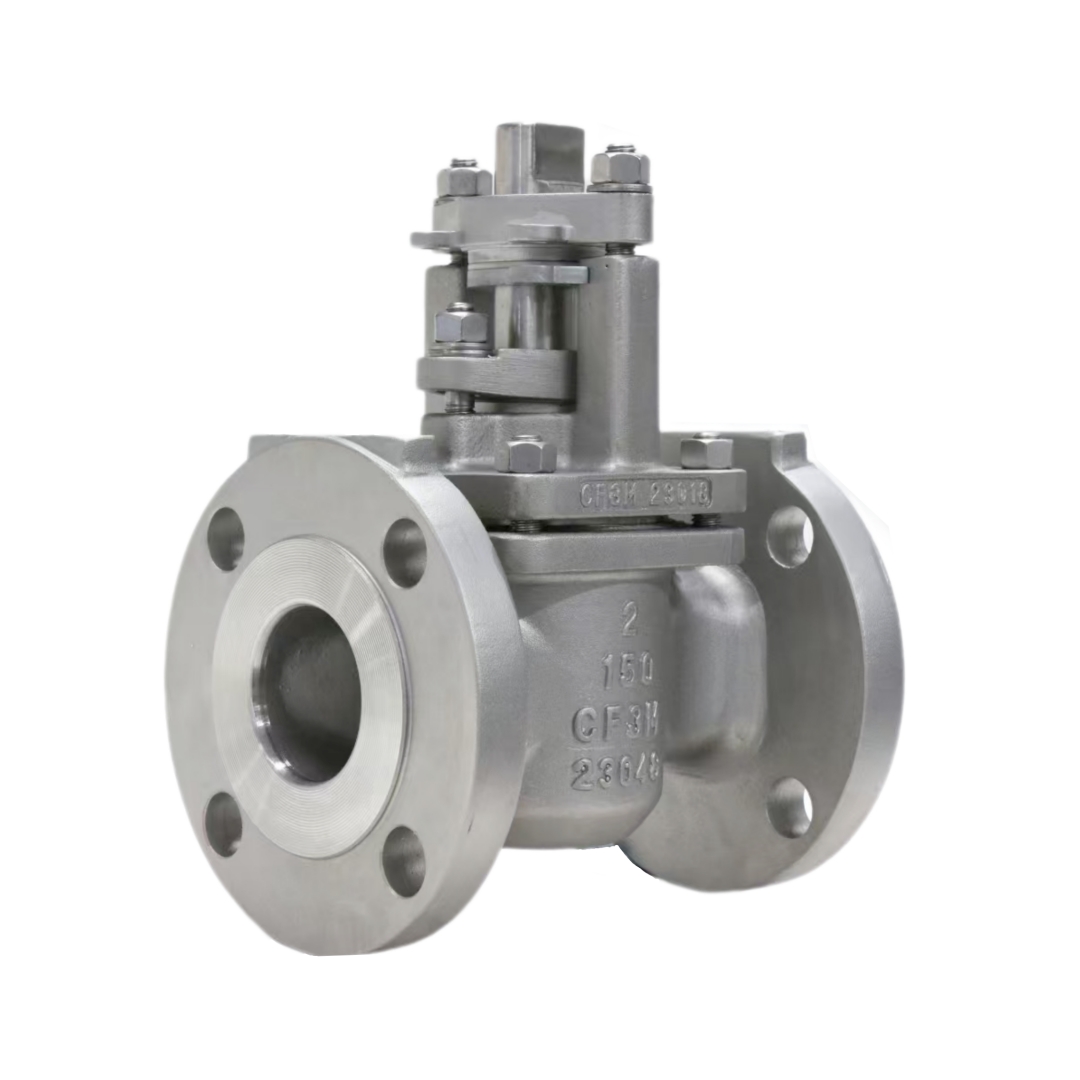
    Mastering Ball Valves: A Comprehensive Selection Guide Ball valves are foundational fluid control components in modern industrial piping systems, trusted for their exceptional sealing performance, fast quarter‑turn operation, compact structure, and long operational lifespan. From general commercial piping to heavy‑duty oil and gas, petrochemical, and power generation facilities, industrial ball valves deliver reliable isolation and flow regulation for countless process conditions. Mastering professional ball valve selection is critical to eliminate pipeline leakage, reduce pressure loss, avoid equipment jamming, and minimize long‑term maintenance costs. This comprehensive guide fully elaborates on ball valve classifications, core performance characteristics, industry‑specific applications, and authoritative selection standards to help engineers and buyers master accurate valve matching for all working scenarios. 1. Complete Classification of Industrial Ball Valves Industrial ball valves are classified by structural mechanism, bore specification, sealing configuration, and driving mode. Each category features unique performance advantages and exclusive applicable working conditions: 1.1 Structural Classification: Floating vs Trunnion Mounted Ball Valve Floating ball valves adopt a free‑floating ball design with a simple, compact structure and cost‑effective advantages. The ball moves slightly under medium pressure and tightly presses against the downstream sealing seat to achieve bubble‑tight shutoff. This structure is ideal for small‑size, low to medium‑pressure conventional pipelines, widely used for general isolation and conventional flow control in water treatment, HVAC, and light chemical systems. Trunnion mounted ball valves feature dual upper and lower trunnion fixed support, completely locking the ball in place. This design transfers medium pressure load to the trunnion shaft instead of the sealing seat, effectively reducing operating torque and seat wear. It is the preferred heavy‑duty solution for large‑size, high‑pressure, high‑cycle industrial pipelines, dominating long‑distance oil and gas transmission, petrochemical refining, and heavy industrial process systems. 1.2 Bore Classification: Full Port vs Reduced Port Ball Valve Full port ball valves are designed with a straight through bore matching the pipe inner diameter, achieving nearly zero flow resistance and minimal industrial ball valve pressure drop. They fully support pipeline pigging and cleaning operations, making them essential for high‑flow transmission pipelines, process main lines, and systems with strict energy‑saving and low‑loss requirements. Reduced port ball valves adopt a streamlined reduced bore structure, featuring lighter weight, smaller volume, and lower manufacturing costs. Although the flow passage is slightly smaller, it fully meets conventional isolation and flow control demands. It is the most cost‑effective choice for ordinary industrial pipelines without pigging and ultra‑low pressure drop requirements. 1.3 Sealing Classification: Metal Seated vs Soft Seated Ball Valve Soft seated ball valves utilize high‑performance PTFE and polymer composite sealing materials, achieving absolute zero leakage under normal temperature and clean medium conditions. With low friction and flexible switching performance, they are suitable for clean water, compressed air, natural gas, and non‑abrasive chemical media, ensuring stable and reliable daily operation. Metal seated ball valves adopt hard alloy surfacing on sealing surfaces, possessing excellent high‑temperature resistance, high‑pressure resistance, and abrasion resistance. They can stably adapt to harsh working conditions such as high‑temperature thermal cycling, abrasive slurry, and corrosive media, completely solving the problems of soft seal aging, deformation, and failure in severe industrial environments. 1.4 Driving Classification: Manual vs Actuated Ball Valve Manual ball valves are equipped with handles or gear operators, suitable for low‑frequency manual operation scenarios with low cost and simple maintenance. For modern automated industrial systems,pneumatic actuated ball valves and electric actuated ball valves are mainstream configurations. Pneumatic ball valves provide fast switching speed and excellent explosion‑proof performance, adapting to flammable and hazardous working environments. Electric ball valves support precise flow modulation and remote signal linkage, perfectly matching PLC, SCADA, and intelligent pipeline control systems. 2. Core Performance Parameters for Professional Selection Accurate ball valve selection relies on standardized parameter verification rather than simple size matching. Core parameters that determine valve applicability include: - Flow Capacity (Cv Value): Professional ball valve Cv calculation ensures the valve’s flow capacity matches system flow demand, avoiding flow bottlenecks and excessive pipeline pressure loss. - Pressure & Temperature Rating: Match valve pressure class and temperature resistance grade according to maximum working pressure and extreme medium temperature to prevent seal failure and valve deformation. - Actuator Torque Matching: Scientifically calculate ball valve actuator torque based on actual pressure difference to ensure sufficient switching power and avoid jamming or incomplete valve opening/closing. - Medium Compatibility: Select sealing and body materials according to medium corrosion, abrasion, and viscosity to achieve long‑term stable operation. 3. Industry‑Specific Application Matching Rules Different industries have distinct process characteristics, requiring targeted ball valve configuration schemes: - Water Treatment & HVAC Systems: Adopt soft seated floating ball valves and reduced port ball valves, balancing cost, sealing stability, and low maintenance performance. - Oil & Gas Transmission: Prioritize full port trunnion mounted ball valves to meet high‑flow, low‑loss, and pipeline pigging maintenance requirements. - Petrochemical & Chemical Industry: Deploymetal seated ball valves and anti‑corrosion ball valves for high‑temperature, corrosive, and abrasive process media. - Thermal Power & Metallurgy: Use high‑temperature and wear‑resistant metal seated ball valves to adapt to steam, high‑temperature flue gas, and slag media. - Intelligent Manufacturing Industry: Equip pneumatic and electric actuated ball valves to realize automatic control, remote monitoring, and intelligent pipeline management. 4. Advanced Selection Tips to Avoid Operational Risks To master ball valve selection thoroughly, it is necessary to avoid conventional misunderstandings and form standardized selection logic: - Never select valves only by nominal pipe size; always verify Cv flow coefficient to prevent insufficient flow capacity and excessive industrial ball valve pressure drop. - Distinguish application boundaries of floating and trunnion structures: floating ball valves for small low‑pressure pipelines, trunnion mounted ball valves for large high‑pressure heavy‑duty systems. - Strictly separate soft and metal sealing scenarios: soft seals for clean normal‑temperature media, metal seals for high‑temperature, abrasive, and harsh corrosive media. - Reserve sufficient safety margin for actuator torque under high‑pressure differential conditions to eliminate switching failure risks. - Choose full port valves for pipelines requiring pigging cleaning to ensure smooth later maintenance. 5. GEKO Valve Professional Ball Valve Solutions As a professional industrial valve manufacturer, GEKO Valve provides a full lineup of high‑performance ball valves, covering floating ball valve, trunnion mounted ball valve, full port & reduced port ball valve,metal seated ball valve, and customized actuated ball valve packages. We provide one‑stop professional services including ball valve Cv calculation and actuator torque verification, effectively controlling system pressure loss and ensuring stable and efficient operation of valves in complex industrial working conditions. All products comply with international industry standards, serving global industrial piping projects with high quality, low failure rate, and long service life. Core SEO Keywords: Trunnion Mounted Ball Valve, Floating Ball Valve, Metal Seated Ball Valve, Full Port Ball Valve, Reduced Port Ball Valve, Pneumatic Actuated Ball Valve, Electric Actuated Ball Valve, Industrial Ball Valve, High Pressure Ball Valve
    اقرأ المزيد
  • Ball Valve Selection Made Easy: Types, Applications, and Tips | GEKO Valve
    Ball Valve Selection Made Easy: Types, Applications, and Tips | GEKO Valve
    Sep 07, 2026
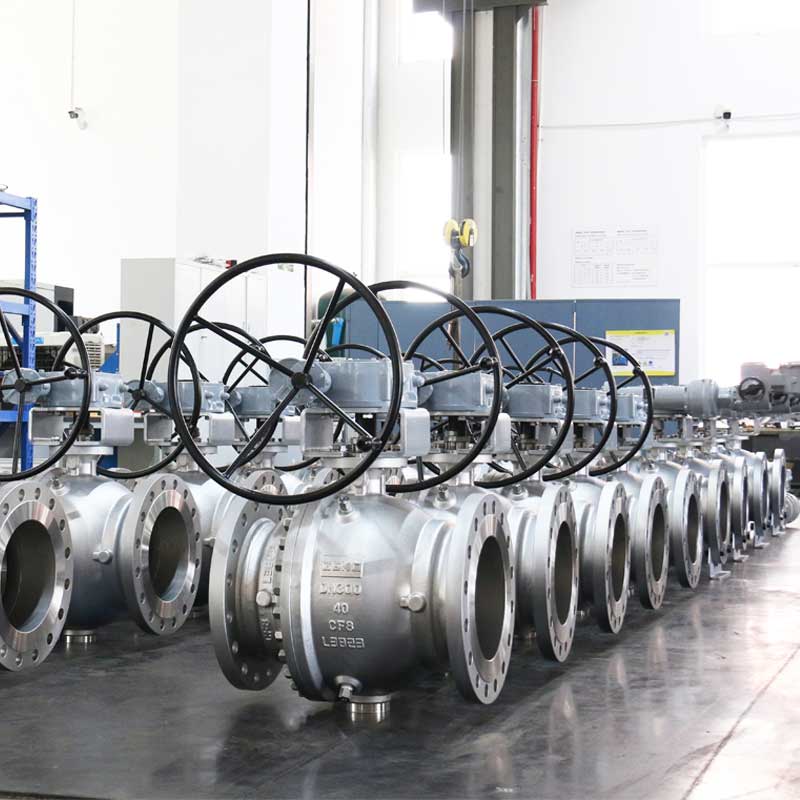
    Ball Valve Selection Made Easy: Types, Applications, and Tips Ball valves are the most versatile and widely used fluid control components in industrial piping systems. Known for their quarter‑turn fast operation, bubble‑tight shutoff, compact structure, and long service life, they replace traditional gate and globe valves in most process pipelines. However, with dozens of ball valve types and diverse working conditions, many engineers struggle with improper model selection, which leads to leakage, high pressure loss, actuator jamming, or short service life. This guide simplifies industrial ball valve selection by sorting core classifications, matching industry applications, and summarizing practical selection tips for beginners and professional procurement teams. 1. Common Types of Industrial Ball Valves Ball valves can be categorized by structural design, bore size, sealing method, and actuation mode. Each type has fixed applicable scenarios and performance limits: 1.1 Floating Ball Valve & Trunnion Mounted Ball Valve Floating ball valves feature a free movable ball structure with simple construction and cost advantages. The ball floats under medium pressure and presses tightly against the downstream seat to achieve sealing. This type is perfect for small‑size, low‑pressure and medium‑pressure conventional pipelines for general isolation and flow control. Trunnion mounted ball valves adopt upper and lower trunnion fixed support structures. The ball is locked in position, which greatly reduces operating torque and seat friction. It effectively adapts to large‑size, high‑pressure, and high‑frequency cycling working conditions, serving as the mainstream heavy‑duty pipeline ball valve for oil and gas, petrochemical, and long‑distance transmission systems. 1.2 Full Port Ball Valve & Reduced Port Ball Valve Full port ball valves have an inner bore consistent with the pipe diameter, delivering almost zero flow resistance and ultra‑low industrial ball valve pressure drop. They support pipeline pigging cleaning and are widely used in high‑flow transmission pipelines and systems requiring minimal energy loss. Reduced port ball valves adopt a smaller streamlined bore. With lighter weight and lower manufacturing cost, they meet daily isolation requirements for most conventional pipelines and help enterprises save project investment without strict low‑pressure‑drop demands. 1.3 Metal Seated Ball Valve & Soft Seated Ball Valve Soft seated ball valves use PTFE or polymer soft sealing materials to realize bubble‑tight zero leakage at room temperature. They are suitable for clean water, air, gas, and non‑abrasive conventional chemical media, with excellent sealing stability and low operating torque. Metal seated ball valves adopt hard alloy surfacing sealing surfaces, featuring high temperature resistance, high pressure resistance, and abrasion resistance. They can withstand abrasive slurry, thermal cycling, and high‑temperature corrosive media, solving the aging and failure problems of soft seals in harsh industrial environments. 1.4 Manual & Actuated Ball Valves According to operation modes, ball valves are divided into manual and automated types. Manual ball valves are simple and cost‑effective for low‑frequency operation pipelines. For intelligent industrial systems, pneumatic actuated ball valves and electric actuated ball valves are the mainstream choices. Pneumatic ball valves offer fast switching and explosion‑proof performance for dangerous working conditions, while electric ball valves support remote control and precise flow regulation, matching PLC and SCADA system linkage.   2. Typical Industrial Applications for Ball Valves Different ball valve types correspond to exclusive industrial scenarios. Matching valves based on industry characteristics is the core of correct selection: - Water Treatment & HVAC: Soft seated floating ball valves and reduced port ball valves are preferred for water supply, drainage, and central air conditioning circulation pipelines, pursuing cost‑effectiveness and stable sealing. - Chemical & Petrochemical Industry: Corrosive media and high‑temperature processes require metal seated ball valves and anti‑corrosion lined ball valves; high‑pressure transmission pipelines adopt trunnion mounted ball valves. - Oil & Gas Pipeline: Full port ball valves and heavy‑duty trunnion ball valves are widely used to ensure unobstructed medium transmission and support pipeline pigging maintenance. - Power & Metallurgy: High‑temperature steam, slag, and abrasive media require wear‑resistant metal seated ball valves to resist harsh working conditions and extend service life. - Intelligent Automated Factory: Pneumatic and electric actuated ball valves realize automatic switching and remote monitoring, suitable for batch and continuous production pipeline systems. 3. Practical Ball Valve Selection Tips (Beginner‑Friendly) Simplify the selection process with these core rules to avoid most engineering mistakes: - Confirm working conditions first: Clarify medium type, temperature, pressure, and operating frequency. High temperature and abrasion choose metal seats; clean normal temperature media choose soft seats. - Select structure by pressure and size: Small size and low pressure use floating ball structure; large size and high pressure must choose trunnion mounted ball valve. - Match bore type by flow demand: High flow rate, low pressure drop and pigging requirements choose full port ball valve; general isolation chooses reduced port to save cost. - Reasonably configure actuation mode: Explosion‑proof hazardous environments prioritize pneumatic actuation; remote intelligent control scenarios choose electric actuation. - Verify flow capacity and torque: Complete accurate ball valve Cv calculation and ball valve actuator torque matching to prevent jamming, incomplete switching or flow insufficiency. 4. How to Avoid Common Selection Failures Most valve failures are caused by incorrect selection rather than product quality problems. Avoid these typical errors: Do not only select models by pipe nominal size; insufficient Cv value will cause system flow bottlenecks and excessive industrial ball valve pressure drop. Do not use soft seated ball valves for high‑temperature abrasive media, which will lead to rapid seal aging and leakage. Do not equip small‑torque actuators for high‑pressure differential pipelines, resulting in unsmooth valve operation. For long‑distance transmission and frequent maintenance pipelines, avoid reduced port ball valves that cannot support pigging cleaning. 5. GEKO Valve Reliable Ball Valve Solutions GEKO Valve provides a full range of standardized and customized industrial ball valves, covering floating ball valve, trunnion mounted ball valve, full port & reduced port ball valve, metal seated ball valve, and pneumatic/electric actuated ball valve packages. We support professional ball valve Cv calculation and actuator torque matching services, strictly controlling pipeline pressure loss and ensuring stable valve operation for various complex working conditions. Our products serve global water treatment, chemical, oil & gas, power, and automated industrial projects with stable quality and low maintenance costs. Core SEO Keywords: Trunnion Mounted Ball Valve, Floating Ball Valve, Metal Seated Ball Valve, Full Port Ball Valve, Reduced Port Ball Valve, Pneumatic Actuated Ball Valve, Electric Actuated Ball Valve, Industrial Pipeline Ball Valve, High Pressure Ball Valve
    اقرأ المزيد

  • The Ultimate Guide to Ball Valves and How to Choose Them | GEKO Valve
    The Ultimate Guide to Ball Valves and How to Choose Them | GEKO Valve
    Sep 07, 2026
    The Ultimate Guide to Ball Valves and How to Choose Them Ball valves are the most widely used quarter-turn flow control devices in modern industrial piping systems, renowned for their bubble-tight shutoff, fast 90° operation, compact structure, and excellent long-term durability. From general water treatment and HVAC systems to high-pressure oil & gas pipelines, chemical processing, and thermal power plants, ball valves deliver reliable isolation and flow regulation for diverse working conditions. However, many engineers and procurement teams face frequent selection errors due to unclear distinctions between valve structures, sealing types, and actuation modes. This ultimate guide breaks down core ball valve classifications, working principles, key performance parameters, and step-by-step selection rules to help you pick the perfect industrial ball valve for your project. 1. What Is a Ball Valve? Core Working Principle A ball valve controls fluid flow by rotating a hollow, perforated spherical ball inside the valve body. When the ball’s bore aligns with the pipeline, the valve opens for full fluid passage; when rotated 90 degrees, the solid ball surface blocks the flow completely. Compared with gate valves and globe valves, ball valves feature simpler operation, lower industrial ball valve pressure drop, and better adaptability for automated control. With accurate ball valve Cv calculation, engineers can precisely match flow capacity to system requirements, avoiding flow bottlenecks and energy waste.   2. Main Types of Ball Valves (Core Structural Classification) Industrial ball valves are mainly categorized by ball support structure, bore design, sealing mode, and body configuration, covering all mainstream engineering models: 2.1 Floating Ball Valve vs Trunnion Mounted Ball Valve The biggest structural difference in industrial ball valves lies in ball fixation modes. A floating ball valve has an unanchored ball that floats freely under fluid pressure, pressing tightly against the downstream seat to achieve sealing. It features a simple structure, cost-effective price, and is ideal for small-size, low-to-medium pressure conventional pipelines. A trunnion mounted ball valve adopts upper and lower trunnion shafts to fix the ball, transferring fluid pressure load to the trunnion structure instead of the sealing seat. This design greatly reduces ball valve actuator torque, minimizes seat wear, and is the preferred solution for large-size, high-pressure, and high-cycle working conditions, widely applied in heavy-duty pipeline ball valve systems. 2.2 Full Port Ball Valve vs Reduced Port Ball Valve Bore size directly determines flow performance and pipeline applicability. A full port ball valve has an inner bore consistent with the pipe diameter, delivering ultra-low industrial ball valve pressure drop and supporting pipeline pigging cleaning, perfect for high-flow transfer lines and pipeline maintenance scenarios. A reduced port ball valve features a smaller inner bore, with lighter weight and lower manufacturing cost. It suits conventional isolation scenarios with no strict pressure drop requirements and no pigging demand, effectively saving project investment costs. 2.3 Metal Seated Ball Valve vs Soft Seated Ball Valve Sealing material determines the valve’s temperature, pressure, and media adaptability. Soft seated ball valves use PTFE or RTFE materials for bubble-tight zero leakage, suitable for clean, normal-temperature water, gas, and conventional chemical media. A metal seated ball valve adopts hard alloy surfacing sealing surfaces, resisting high temperature, high pressure, abrasive slurry, and frequent thermal cycling. It solves the failure problem of soft seal aging and deformation under harsh working conditions and is widely used in petrochemical, coking, and high-temperature industrial systems. 2.4 Actuated Ball Valve: Pneumatic & Electric Configurations For automated industrial systems, manual ball valves are upgraded to actuated ball valve packages, including two mainstream types: pneumatic ball valve (also named pneumatic actuated ball valve / pneumatic operated ball valve) and electric ball valve (also called electric actuated ball valve / motorized ball valve). Pneumatic models offer fast switching, explosion-proof performance, and high safety for hazardous environments; electric models support precise modulating control and stable remote signal linkage for PLC/SCADA systems. 3. Key Parameters Affecting Ball Valve Selection Blind selection by nominal pipe size is the most common engineering mistake. Standard ball valve selection must verify the following core parameters one by one: - Flow Capacity: Complete professional ball valve Cv calculation according to system flow rate, inlet and outlet pressure, and fluid viscosity to avoid oversizing or undersizing. - Pressure & Temperature Rating: Match the valve pressure class and temperature derating standard to adapt to maximum working pressure and extreme temperature changes. - Actuator Torque Matching: Calculate actual operating differential pressure to confirm ball valve actuator torque, reserve sufficient safety margin to prevent jamming or incomplete switching. - Media Compatibility: Select metal or soft sealing according to corrosive, abrasive, high-temperature characteristics of the fluid to avoid seal damage and leakage. - Pressure Drop Requirement: Choose full port ball valve for low-loss and pigging requirements, and reduced port ball valve for cost-saving conventional scenarios to control industrial ball valve pressure drop. 4. Step-by-Step Ball Valve Selection Process Follow this standardized workflow to select the most cost-effective and reliable ball valve for your system: Step 1: Confirm working conditions – Clarify fluid type, temperature, pressure, flow rate, and system functional requirements (isolation or modulation). Step 2: Determine structural type – Choose floating ball valve for small low-pressure pipelines and trunnion mounted ball valve for large high-pressure pipeline ball valve systems. Step 3: Select bore configuration – Adopt full port ball valve for high-flow low-loss scenarios and reduced port ball valve for general isolation. Step 4: Match sealing mode – Use soft seal for clean conventional media and metal seated ball valve for high-temperature abrasive and corrosive harsh media. Step 5: Confirm actuation mode – Select manual, pneumatic ball valve, or electric ball valve according to on-site power/air source conditions and automation needs. Step 6: Verify core parameters – Complete ball valve Cv calculation and ball valve actuator torque verification to ensure full compliance with system operating conditions. 5. Common Selection Mistakes & Avoidance Tips - Mistake 1: Selecting by pipe size only – Nominal size cannot represent flow capacity. Must rely on ball valve Cv calculation for accurate matching. - Mistake 2: Confusing full port and reduced port – Wrong bore selection leads to excessiveindustrial ball valve pressure drop or failed pipeline pigging. - Mistake 3: Unmatched actuator torque – Ignoring actual differential pressure causes insufficient ball valve actuator torque, resulting in unsmooth switching. - Mistake 4: Misapplied sealing structure – Using soft seals for high-temperature abrasive media leads to rapid aging and failure; harsh working conditions must adopt metal seated ball valve. 6. Industrial Applications of Ball Valves Different ball valve types correspond to exclusive industrial scenarios: floating ball valve and conventional soft-seal valves are widely used in water treatment, HVAC, and general chemical pipelines; heavy-duty trunnion mounted ball valve and metal seated ball valve serve oil & gas, petrochemical, thermal power, and mining industries; automated pneumatic ball valve and electric ball valve are core components of intelligent pipeline control systems, supporting remote monitoring and automatic adjustment. 7. Why Choose GEKO Valve Ball Valves GEKO Valve provides a full range of customized industrial ball valves, including floating ball valve, trunnion mounted ball valve, full port ball valve, reduced port ball valve, metal seated ball valve, and automated actuated ball valve packages (pneumatic and electric). We provide professional ball valve Cv calculation and ball valve actuator torque verification services, effectively controlling industrial ball valve pressure drop for each project. All products comply with international standards, with stable performance, long service life, and low maintenance costs, providing reliable fluid control solutions for global industrial piping systems. Core SEO Keywords: floating ball valve, trunnion mounted ball valve, full port ball valve, reduced port ball valve, metal seated ball valve, pipeline ball valve, ball valve Cv calculation, industrial ball valve pressure drop, ball valve actuator torque, pneumatic ball valve, electric ball valve, actuated ball valve
    اقرأ المزيد
  • صمامات سدادة ذات غلاف داخلي (حلقة) مقابل صمامات سدادة ذات مانع تسرب زيتي مشحم: الاختلافات الهيكلية الرئيسية | صمامات جيكو
    صمامات سدادة ذات غلاف داخلي (حلقة) مقابل صمامات سدادة ذات مانع تسرب زيتي مشحم: الاختلافات الهيكلية الرئيسية | صمامات جيكو
    Aug 25, 2026
    صمامات سدادة ذات غلاف داخلي (حلقة معدنية) مقابل صمامات سدادة ذات مانع تسرب زيت مشحم: الاختلافات الهيكلية الرئيسيةعند اختيار الصناعة صمامات سدادة بالنسبة لأنابيب العمليات، فإن اثنين من أكثر خيارات هيكل منع التسرب شيوعًا هما صمام سدادة مبطنة بغلاف (حلقة تثبيت) و صمام سدادة مزيتة/مانع تسرب الزيتعلى الرغم من أن كليهما يوفران عزلًا بربع دورة للتشغيل والإيقاف، إلا أن مبادئ منع التسرب، وإجراءات الصيانة، وتوافق الوسائط، وخصائص عمر الخدمة تختلف اختلافًا كبيرًا. من المهم فهم ما إذا كان مشروعك يتطلب ذلك. غلاف من مادة PTFE أو مكونات مانعة للتسرب من مادة PTFE مقارنة بالختم المعدني المحقون بالشحم أمر ضروري لتجنب التلوث والإصلاحات المتكررة والإغلاقات غير المتوقعة في أنظمة المواد الكيميائية والنفط والغاز والمصافي ومعالجة المياه.ما هو صمام السدادة المبطن بالكم (الحلقة)ال صمام سدادة مبطن بغلاف يعتمد هذا النوع من الصمامات، المعروف أيضًا باسم صمام السدادة ذي الحلقة، أو الصمام غير المزيت، أو الصمام ذي الغلاف، على بطانة قابلة للاستبدال مثبتة بإحكام داخل تجويف جسم الصمام. في معظم طرازات الخدمة الشاقة في البيئات المسببة للتآكل، تُصنع هذه البطانة الأساسية من مادة صلبة. غلاف من مادة PTFE أو معززة مكونات مانعة للتسرب من مادة PTFEيدور القابس المخروطي مباشرة مقابل السطح الداخلي لغلاف PTFE، ويؤدي التشوه المرن الطفيف للغلاف إلى إغلاق محكم بين القابس والجسم، مع عدم وجود أي اتصال معدني بالمعدن عند واجهة الختم.لا حاجة إلى الشحوم أو مواد منع التسرب أو مواد التشحيم المحقونة أثناء التشغيل الروتيني. توفر خاصية الاحتكاك المنخفض المتأصلة في مادة PTFE تشغيلًا سلسًا بربع دورة. هذه الخاصية ذاتية التشحيم تجعل صمام سدادة مغلف بمادة PTFE مثالي للعمليات التي قد يؤدي فيها شحم مانع التسرب إلى تلوث سائل التشغيل، مثل خطوط أنابيب المواد الكيميائية الدقيقة والأدوية والمواد الغذائية والمياه فائقة النقاء.ما هو صمام السدادة المزود بمانع تسرب الزيت / صمام التشحيم؟أن صمام سدادة محكم الإغلاق بالزيت أو صمام تشحيم يستخدم هذا الصمام تلامسًا معدنيًا مباشرًا بين السدادة المخروطية ومقعد جسم الصمام. ويعتمد نظام منع التسرب وتقليل الاحتكاك فيه على الحقن الدوري لشحم مانع للتسرب متخصص عبر منافذ حقن مخصصة مصنعة بدقة في غطاء الصمام. يشكل الشحم المحقون طبقة رقيقة من الزيت المانع للتسرب على أسطح المقعد المعدنية، مما يقلل من عزم الدوران التشغيلي ويملأ الفجوات المجهرية لتحقيق إغلاق محكم. وعلى عكس النوع المبطن، لا توجد فيه أي أجزاء مدمجة. مكونات مانعة للتسرب من مادة PTFE لإنشاء مانع التسرب الأساسي. يجب أن تشمل الصيانة عمليات تعبئة منتظمة لمادة منع التسرب للحفاظ على أداء منع التسرب؛ سيؤدي إهمال التشحيم إلى التآكل، وخدش المقعد، والتسرب عبر خطوط الغاز أو الهيدروكربون عالية الضغط.مقارنة هيكلية أساسية: صمامات سدادة مبطنة بحلقة (حلقة معدنية) مقابل صمامات سدادة مانعة للتسرب بالزيت مشحمةمكونات منع التسرب: مبطنة بغلاف (حلقة معدنية): قابلة للاستبدالغلاف من مادة PTFEبطانة مقواة بمادة PTFE أو بوليمر آخرمكونات مانعة للتسرب من مادة PTFE. مانع تسرب الزيت المشحم: مانع تسرب معدني إلى معدني، يعتمد على طبقة التشحيم، لا يوجد مانع تسرب أساسي من مادة PTFE.متطلبات التشحيم:مبطن بغلاف: غير مزيت، ذاتي التزييت بفضل خصائص مادة PTFE. مانع تسرب زيت مزيت: يجب حقن شحم مانع للتسرب بشكل دوري.خطر تلوث الوسائط:مُبطّن بغلاف: لا يوجد خطر لتلوث الشحوم. مانع تسرب زيت مُشحّم: احتمال دخول مادة التشحيم المحقونة إلى وسط العملية.التركيز على الصيانة:مبطنة من الداخل: افحصها واستبدل الأجزاء البالية.غلاف من مادة PTFE في الموعد المحدد. مانع التسرب الزيتي المشحم: حقن الشحم بانتظام، وفحص المقعد المعدني وإعادة الصقل.مطابقة الخدمة النموذجية:مبطنة بأكمام (حلقة معدنية) معمكونات مانعة للتسرب من مادة PTFEالمواد الكيميائية المسببة للتآكل، والوسائط النظيفة، والمواد اللزجة، والتدفقات الحساسة للتلوث. مانع التسرب الزيتي المُشحم: خطوط أنابيب الغاز الطبيعي عالية الضغط، ونقل النفط الخام، وعزل الهيدروكربونات في المصافي.القيود الشائعة لكل تصميم من تصاميم صمامات التوصيلال صمام سدادة مبطن بغلاف من مادة PTFE تُحدد حدود درجة الحرارة بناءً على أداء مادة PTFE. عند درجات حرارة عالية للغاية،غلاف من مادة PTFE قد يحدث زحف أو تدهور، لذا فإن خدمة الهيدروكربونات ذات درجات الحرارة العالية غالبًا ما تكون أنسب لحلول صمامات السدادة ذات الأختام المعدنية المشحمة. في الوقت نفسه، صمامات سدادة مانعة للتسرب مزودة بزيت التشحيم لا تعمل بشكل جيد مع الوسائط المسببة للتآكل أو الملاط الكاشط أو سوائل العمليات النظيفة، حيث أن الشحوم المحقونة تشكل خطر التلوث ويمكن أن تتسبب المواد الصلبة في تلف أسطح المقاعد المعدنية غير المحمية.كيفية الاختيار بين صمامات سدادة الزيت المبطنة (ذات الحلقة) وصمامات سدادة الزيت المزيتةابدأ عملية الاختيار بالإجابة على ثلاثة أسئلة هندسية أساسية. أولاً: هل يتحمل سائل العملية التلوث بالشحوم؟ إذا كانت الإجابة لا، فاختر... صمام سدادة مبطن بغلاف مزود بمعدات موثوقةمكونات مانعة للتسرب من مادة PTFEثانيًا: ما هي أقصى درجات حرارة التشغيل والضغط ومستويات التآكل الكيميائي؟ غالبًا ما يُفضل استخدام هياكل مانعة للتسرب مُشحّمة بالزيت في خدمة الهيدروكربونات ذات درجات الحرارة العالية؛ بينما تتطلب المواد الكيميائية المسببة للتآكل دائمًا تقريبًا...صمام سدادة ذو حلقة مبطنة بغلاف من مادة PTFEثالثًا: هل لدى فريق الصيانة لديك إمكانية الوصول المجدولة لخدمة حقن الشحم الدورية؟ في حال صعوبة صيانة التشحيم في الموقع، فإن تصميم غلاف PTFE غير المشحم يقلل بشكل كبير من عبء العمل التشغيلي على المدى الطويل.حلول صمامات السدادة المصممة حسب الطلب من GEKO Valveتُورّد شركة GEKO Valve كلا النوعين صمامات سدادة مبطنة بأكمام (حلقة تثبيت) بجودة ممتازة غلاف من مادة PTFE وتم تعزيزهامكونات مانعة للتسرب من مادة PTFEإلى جانب الخدمة الشاقة صمامات سدادة مانعة للتسرب مزودة بزيت التشحيم مصممة وفقًا لمعايير API-599 الصناعية. يمكن لفريقنا الهندسي مساعدتك في اختيار أفضل حلول هيكل منع التسرب التي تناسب متطلبات نظام الأنابيب لديك من حيث الضغط ودرجة الحرارة وتوافق الوسائط وجدول الصيانة.الكلمات المفتاحية لتحسين محركات البحث: صمام سدادة مبطن بأكمام، صمام سدادة بحلقة معدنية، صمام سدادة مشحم، صمام سدادة مانع للتسرب بالزيت، صمام سدادة بأكمام من مادة PTFE، مكونات مانعة للتسرب من مادة PTFE، صمام سدادة غير مشحم، صمام سدادة مبطن بأكمام، مقارنة بين صمامات السدادة الصناعية
    اقرأ المزيد
  • صمام كروي ذو مقعد معدني مثبت على محور جانبي، ذو حافة RF - صمام GEKO
    صمام كروي ذو مقعد معدني مثبت على محور جانبي، ذو حافة RF - صمام GEKO
    Aug 25, 2026
    صمام كروي ذو مقعد معدني مثبت على محور جانبي، ذو حافة RF: حل شديد التحمل للاستخدام في درجات الحرارة العالية والبيئات الكاشطةA صمام كروي مثبت على محور دوران يوفر تحكمًا قويًا وموثوقًا في الإغلاق والتدفق لأنظمة الأنابيب الصناعية الصعبة. عند بنائه كـ مدخل جانبي التصميم مع مقعد معدني أسطح مانعة للتسرب ومُشطبة بـ حافة RF (وجه مرتفع) هذا هو إنهاء الاتصالات صمام كروي يصبح صمامًا عالي التحمل من الدرجة الأولى مصممًا لتحمل الضغط الشديد، والوسائط ذات درجات الحرارة العالية، والسوائل الكاشطة، وعمليات التشغيل المتكررة في عمليات النفط والغاز والبتروكيماويات وتوليد الطاقة والتكرير.ما هو صمام الكرة ذو المقعد المعدني المثبت على محور جانبي، ذو حافة RFبخلاف تصميمات الكرة العائمة، صمام كروي مثبت على محور دوران يثبت عمود الكرة بين دعامتي المحور العلوي والسفلي. ينقل هذا التثبيت الميكانيكي أحمال ضغط الخط بعيدًا عن المقاعد، مما يقلل بشكل كبير من احتكاك المقاعد وتآكلها تحت ضغط تفاضلي عالٍ. مدخل جانبي يسمح تصميم الهيكل بإجراء الفحص الداخلي والصيانة واستبدال الأجزاء الداخلية دون الحاجة إلى إزالة مجموعة الصمام بالكامل من خط الأنابيب، مما يقلل بشكل كبير من وقت التوقف أثناء الإصلاح. مُجهز بـ مقعد معدني بفضل أسطح منع التسرب، يحقق الصمام عزلاً محكماً حتى في درجات الحرارة المرتفعة حيث تتدهور مواد المقعد اللين. RF ذو حواف تتبع نهايات الشفة ذات الوجه المرتفع معايير ASME B16.5 المقبولة على نطاق واسع، مما يوفر وصلة ملولبة آمنة ومقاومة للتسرب ومتوافقة مع شفة الأنابيب القياسية ذات الوجه المرتفع.الفوائد الأساسية لهذا التكوين لصمام الكرةمثبت على محور دوران الدعم: عزم تشغيل منخفض، مناسب للتطبيقات كبيرة الحجم وعالية الضغط، سهولة التشغيل الآلي باستخدام مشغلات هوائية أو كهربائيةمدخل جانبي الهيكل: تصميم قابل للصيانة داخل الخط، إصلاح مبسط للأجزاء الداخلية، لا حاجة لتفكيك خط الأنابيب بالكاملمقعد معدني البناء: مقاومة ممتازة لدرجات الحرارة العالية، والمواد الكاشطة، ووسائط التكويك، وظروف العمل الآمنة من الحرائقRF ذو حواف الأطراف: قابلة للتبديل مع الحواف ذات الوجه المرتفع القياسية العالمية، مما يسهل التركيب ومحاذاة الحشية.عمر خدمة طويل الأمد للعمليات الصناعية الثقيلة ذات الدورة المستمرةالتطبيقات الصناعية النموذجيةهذا صمام كروي ذو مقعد معدني مع مدخل جانبي الجسم و شفة RF تُستخدم هذه الوصلات على نطاق واسع في العمليات عالية المخاطر، مثل خطوط أنابيب النفط الساخن، ودوائر البخار، ونقل النفط الخام الثقيل، ووحدات التكرير التحفيزية، ومصانع الكيماويات التي تعمل بالفحم، والأنظمة المساعدة لمحطات توليد الطاقة. وتتميز هذه الوصلات بأدائها الجيد في الحالات التي تتجاوز فيها درجة الحرارة حدود الأختام المرنة، وفي الحالات التي قد يؤدي فيها التشغيل المتكرر للصمامات إلى تلف سريع للمقاعد غير المعدنية. صمام كروي ذو حافة RF كما أن التوصيل يجعل استبدال المكونات في الموقع أمراً بسيطاً أثناء جداول الصيانة التي تتوقف عندها المصانع.قائمة التحقق من الاختيارات الفنية الرئيسيةأثناء البحث عن مصادرك صمام كروي ذو مقعد معدني مثبت على محور دوران جانبي، ذو حافة RFتأكيد المواصفات الأساسية: فئة الضغط، ونطاق درجة حرارة التشغيل، وتركيب الوسط، ومعدل التسرب المطلوب للإغلاق، وواجهة تركيب المشغل، ومعيار الشفة، ودرجات المواد للجسم والكرة وجذع المحور وغطاء المقعد المعدني. توفر شركة GEKO Valve صمامات مصممة حسب الطلب صمام كروي مثبت على محور دوران حلول مع مدخل جانبي الهندسة المعمارية، ذات المظهر القاسي مقعد معدني المكونات و RF ذو حواف نهايات لتلبية أصعب متطلبات عملياتك.الملخص النهائيبالنسبة للمشاريع التي تتطلب صمامات عزل عالية الضغط ودرجة الحرارة مع سهولة الصيانة، فإن الجمع بين صمام كروي + حافة RF + مدخل جانبي + مقعد معدني + مثبت على محور دوران تقدم شركة GEKO Valve أحد أكثر حلول الصمامات المتينة فعالية من حيث التكلفة والموثوقية. تواصل مع GEKO Valve لمناقشة احتياجاتك الخاصة. صمام كروي ذو مقعد معدني جانبي المدخل متطلبات. 
    اقرأ المزيد
1 2 3 4 5 6 7 8 9 10 11
مجموع من 11الصفحات

ترك رسالة

ترك رسالة
إذا كنت مهتمًا بمنتجاتنا وتريد معرفة المزيد من التفاصيل، فيرجى ترك رسالة هنا، وسوف نقوم بالرد عليك في أقرب وقت ممكن.
يُقدِّم

بيت

منتجات

اتصال