


ما الذي تبحث عنه؟
أجرى فريق بحثي متخصص في صمامات التحكم بجامعة تشجيانغ مؤخرًا دراسة منهجية حول الخصائص الحرارية الهيدروليكية للمكونات التنظيمية الرئيسية لصمامات تخفيض ضغط البخار في محطات الطاقة الحرارية. وقد أسفرت نتائج هذه الدراسة عن ورقة بحثية بعنوان "التنبؤ السريع بالخصائص الحرارية الهيدروليكية لصمامات تخفيض ضغط البخار في محطات الطاقة الحرارية باستخدام نموذج تخفيض الرتبة"، ونُشرت في مجلة "الاتصالات الدولية في نقل الحرارة والكتلة" (إحدى المجلات الرائدة في المنطقة الثانية للأكاديمية الصينية للعلوم). ونظرًا للقيود التي تعتري أساليب المحاكاة العددية التقليدية لديناميكيات الموائع الحسابية (CFD) والأساليب التجريبية من حيث الكفاءة والتكلفة، تم بناء نموذج مُخفَّض الرتبة (ROM) قائم على تحليل القيم الذاتية المتعامدة (POD)، مما أتاح إعادة بناء سريعة وتنبؤًا فعالًا لحقول التدفق المعقدة. وقد حسّن هذا النموذج بشكل ملحوظ الكفاءة الحسابية مع ضمان الدقة الهندسية.
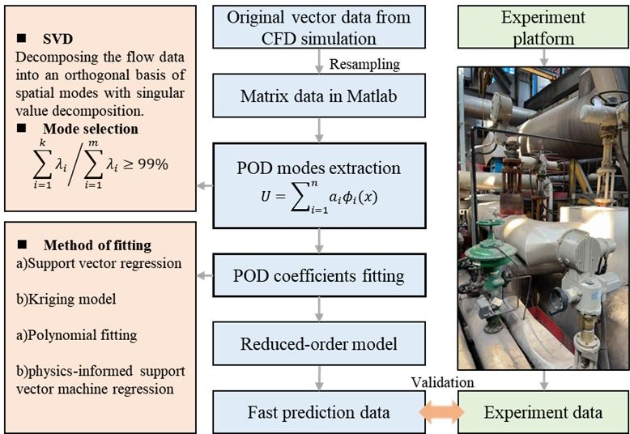
تُعدّ صمامات تخفيض ضغط البخار من المكونات التنظيمية الرئيسية في محطات الطاقة الحرارية. ونظرًا لارتفاع التكلفة الحسابية والوقت اللازم، يصعب تحليل خصائصها الحرارية الهيدروليكية المعقدة. ولمعالجة هذه المشكلة، طوّرت هذه الدراسة نموذجًا مُخفّض الرتبة (ROM) باستخدام تحليل القيم الذاتية المتعامدة (POD). أولًا، تمّت محاكاة مجال التدفق عدديًا تحت ضغوط وأشواط مختلفة عند المخرج؛ ثانيًا، استُخدم تحليل القيم الذاتية المتعامدة لاستخراج الأنماط المكانية ومعاملات الأنماط؛ أخيرًا، من خلال طرق التوفيق مثل نموذج كريغينغ، وانحدار آلة المتجهات الداعمة، وانحدار المتجهات الداعمة القائم على الفيزياء، تمّ تحديد العلاقة بين معاملات الأنماط وظروف التشغيل.
تُظهر النتائج أن نموذج الرتبة المُخفَّضة (ROM) قد حسّن الكفاءة الحسابية بأكثر من أربعة أضعاف مقارنةً بمحاكاة ديناميكيات الموائع الحسابية (CFD). ويبلغ الحد الأقصى للخطأ في نتائج نموذج الرتبة المُخفَّضة 13.59%. ويتنبأ هذا النموذج بتوزيع الضغط ودرجة الحرارة والإنتروبيا، مع خطأ متوسط الجذر التربيعي النسبي (RRMSE) أقل من 2%. يقترح هذا العمل إطارًا جديدًا لنمذجة الرتبة المُخفَّضة للتنبؤ بتوزيع الكميات الفيزيائية داخل صمامات تخفيض الضغط.
بالإضافة إلى ذلك، توفر هذه الدراسة مرجعًا لتطوير نماذج تنبؤ سريعة ودقيقة للمكونات الهندسية في تطبيقات ديناميكيات الموائع.
خلفية البحث
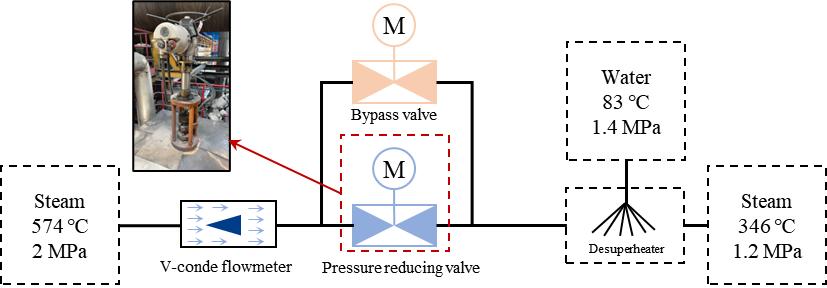
يُعد صمام تخفيض ضغط البخار عنصرًا أساسيًا في نظام البخار بمحطات الطاقة الحرارية. فهو مسؤول عن خفض ضغط البخار المحمص عالي الحرارة والضغط (حوالي 2 ميجا باسكال، 574 درجة مئوية) إلى الضغط المطلوب في اتجاه التدفق، والتحكم في معدل التدفق عن طريق ضبط درجة الفتح. مع تزايد الطلب على خفض ذروة استهلاك الطاقة، تحتاج الصمامات إلى التشغيل بشكل متكرر. في حال وجود انسداد في التدفق (Ma≥1) داخلها، فقد يؤدي ذلك إلى انخفاض الكفاءة أو حتى تلف المعدات. لذلك، تُعد المراقبة الآنية لمجال التدفق الداخلي أمرًا بالغ الأهمية لضمان التشغيل الآمن. مع ذلك، يقع الجزء الداخلي من الصمام في بيئة ذات درجة حرارة وضغط مرتفعين للغاية، مما يجعل من المستحيل تركيب أجهزة استشعار في مواقع حساسة مثل فتحات الخنق. ويصعب بالتالي تحديد الضغط الداخلي الحقيقي والسرعة وتوزيع درجة الحرارة. حاليًا، تعتمد الأبحاث المتعلقة بصمامات تخفيض ضغط البخار بشكل أساسي على التجارب ومحاكاة ديناميكيات الموائع الحسابية، ولكن هناك قصورًا واضحًا من حيث الكفاءة والتكلفة. لذا، تُقدّم هذه الورقة نموذجًا مُبسطًا (ROM) قائمًا على تحليل القيم الذاتية المتعامدة (POD). وتتلخص الفكرة الأساسية في استخلاص أنماط التدفق الرئيسية من عدد محدود من نتائج محاكاة ديناميكا الموائع الحسابية (CFD) عالية الدقة، وإعادة بناء مجال التدفق. بعد ذلك، يتم إنشاء علاقة بسيطة بين معلمات ظروف التشغيل ومعاملات الأنماط. في ظل ظروف التشغيل الجديدة، يُمكن إعادة بناء مجال التدفق بالكامل بسرعة دون الحاجة إلى إعادة حل معادلات ميكانيكا الموائع المعقدة.
أساليب البحث
يرتكز بناء نموذج مُبسط على إنشاء مكتبة عينات تدريبية عالية الجودة. وقد اختارت الدراسة أربعة ضغوط مخرج (1.2 ميجا باسكال، 1.4 ميجا باسكال، 1.6 ميجا باسكال، 1.8 ميجا باسكال) وستة أشواط للصمام (من 20 مم إلى 120 مم)، وجمعتها لتشكيل 24 مجموعة من شروط حساب الحالة المستقرة، تغطي نطاق ظروف التشغيل النموذجية لصمام تخفيض ضغط البخار هذا.
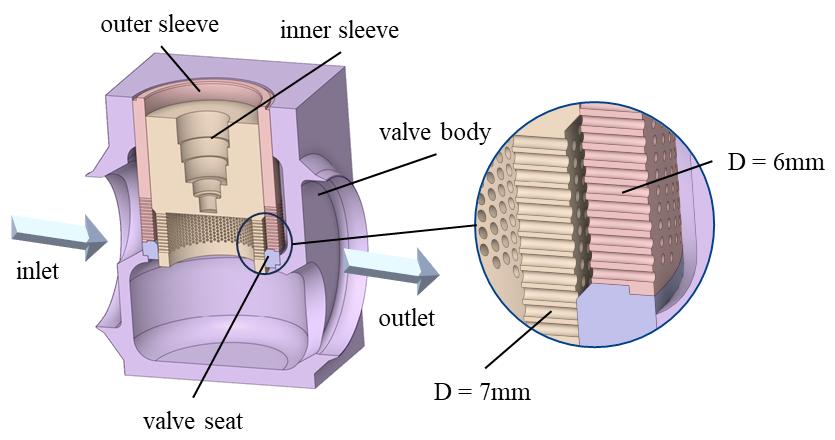
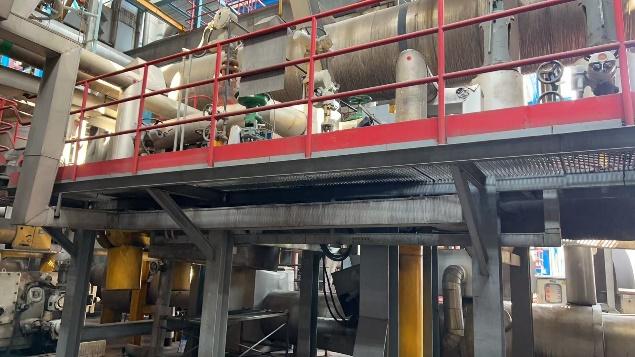
تم التحقق من ذلك بواسطة البيانات الموجودة في الموقع لمحطة الطاقة الحرارية، حيث بلغ الحد الأقصى للانحراف بين معدل التدفق المحسوب بواسطة CFD والقيمة المقاسة 9.70٪، وهو ما يفي بمتطلبات الدقة الهندسية ويضمن موثوقية بيانات الإدخال اللاحقة لـ ROM.
تُستخدم طريقة تحليل القيم الذاتية المتعامدة (POD) لتقليل أبعاد بيانات لقطات CFD. يتم ترتيب كل مجموعة من الكميات الفيزيائية لحقل التدفق (الكثافة، الضغط، السرعة، درجة الحرارة، عدد ماخ، الإنتروبيا) كمتجهات صفية لإنشاء مصفوفة لقطة X (بأبعاد m×n، حيث m=24 هو عدد العينات و n≈8×10⁶ هو عدد عقد الشبكة).
يتم الحصول على POD: X ≈ UΣV beta من خلال تحليل القيم المفردة (SVD). يحتوي U على معلومات معاملات الأنماط، ويحتوي V على الأنماط المكانية، بينما تمثل العناصر القطرية لـ Σ القيم المفردة التي تُشير إلى مساهمة كل نمط في الطاقة. بعد ترتيب الأنماط تنازليًا حسب الطاقة، يُمثل النمط الأول 85.72% من طاقة مجال الضغط و88.00% من طاقة مجال الإنتروبيا. تصل الطاقة التراكمية للأنماط الـ 12 الأولى إلى 99%، لذا يتم اختيار رتبة القطع k=12، ويتم تجاهل الأنماط ذات الرتب الأعلى لتصفية التشويش العددي.
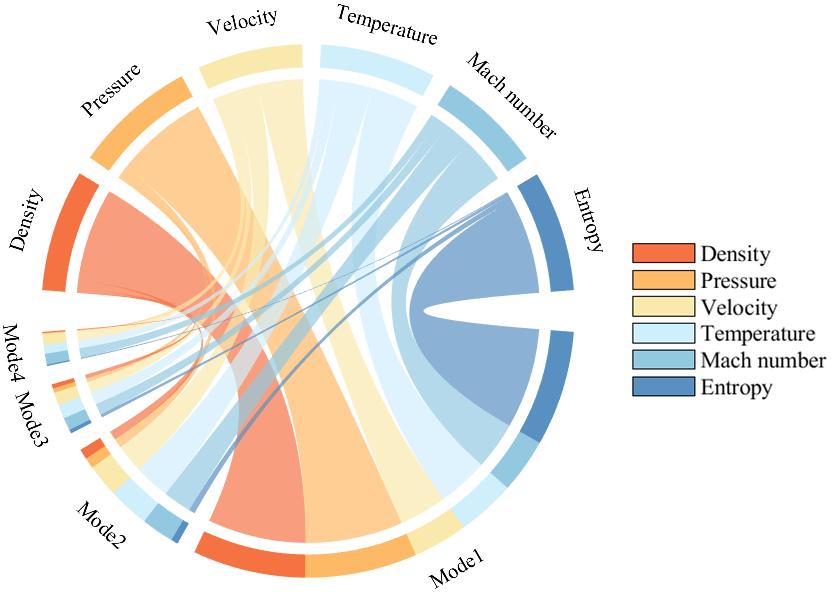
لتحقيق التنبؤ بظروف التشغيل الجديدة، من الضروري تحديد العلاقة بين معلمات ظروف التشغيل (ضغط المخرج p، شوط الصمام h) ومعامل الوضع α، حيث α = f(p, h). قارنت الدراسة ثلاث طرق للانحدار: الانحدار متعدد الحدود، والانحدار المكاني (Kriging)، وانحدار متجه الدعم.
بالإضافة إلى ذلك، سعت الدراسة إلى استخدام انحدار آلة المتجهات الداعمة للمعلومات الفيزيائية. تم إدخال الحد المتبقي من معادلة الزخم في دالة خسارة آلة المتجهات الداعمة، وتم اعتماد خوارزمية التدرج الهبوطي لتحسين المعلمة الفائقة ε، بحيث يفي مجال التدفق المتوقع بشرط حفظ الزخم لمعادلة نافيير-ستوكس في الحالة المستقرة على مستوى التناظر.
مع ذلك، تُظهر النتائج أنه بما أن دالة أساس تحليل المكونات الرئيسية (POD) قد استُخرجت من لقطة CFD التي تُحقق معادلة التحكم، فإن دالة الأساس نفسها تحتوي على معلومات فيزيائية كافية. في حالة العينات المحدودة، اقترب نموذج SVR الأساسي من الحد الأعلى لدقة إطار التمثيل هذا. لم يُؤدِّ إدخال القيود الفيزيائية كشروط تحسين ثانوية إلى تقليل خطأ التنبؤ بشكل ملحوظ (RRMSE 1.16% مقابل 0.87%)، بل قد يُؤدي إلى زيادة في التحيز الإقليمي المحلي نتيجةً للقيود المفرطة.
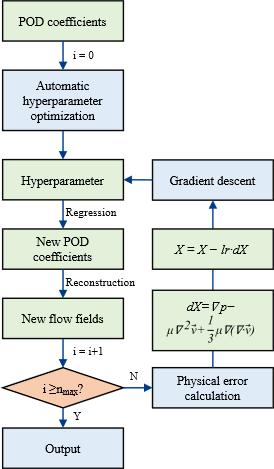
تتم عملية التنبؤ عبر الإنترنت لنموذج ROM النهائي كما يلي: إدخال معلمات ظروف التشغيل المستهدفة (p، h)، والحصول على 12 معاملًا نمطيًا α باستخدام استيفاء نموذج Kriging، ثم تطبيق التراكب الخطي للأنماط المكانية المخزنة مسبقًا عند u(X)=Σα dv ϕ و dv (X) لإعادة بناء توزيع مجال التدفق بالكامل. التعقيد الحسابي لهذه العملية هو O(k×n). على منصة الحوسبة المزودة بمعالج AMD EPYC 7763، يستغرق التنبؤ الواحد حوالي 4.8 ثانية، أي أطول بأربعة مراتب من 11665 ثانية التي تستغرقها ديناميكيات الموائع الحسابية (CFD).
نتائج البحث
بالنظر إلى نتائج التنبؤ بالضغط كمثال، تُظهر نتائج التنبؤ بحقل الضغط في المستوى المتناظر باستخدام نموذج الرتبة المنخفضة القائم على نموذج كريغينغ أن متوسط الجذر التربيعي للخطأ النسبي (RRMSE) يبلغ 0.79%، بينما يبلغ الحد الأقصى للخطأ النسبي 16.49%. أما متوسط الجذر التربيعي للخطأ النسبي للنموذج القائم على انحدار آلة المتجهات الداعمة (SVR) فيبلغ 0.87%، بينما يبلغ الحد الأقصى للخطأ النسبي 15.38%. يُحافظ كلا النموذجين على الخطأ النسبي لتوزيع الضغط ضمن النطاق الهندسي المقبول البالغ 20%، كما أن متوسط الجذر التربيعي للخطأ النسبي لكليهما أقل من 1%.
تجدر الإشارة إلى أنه في منطقة الفجوة الحلقية بين الغلاف الخارجي والداخلي، ونظرًا للتوسع المفاجئ لمنطقة التدفق، ينخفض معدل التدفق، ويُظهر الضغط ارتدادًا ملحوظًا، حيث ترتفع قيمته إلى ما بين 1.53 و1.88 ميجا باسكال. بعد ذلك، يتدفق البخار عبر فتحة الخنق في الغلاف الداخلي (الخنق الثانوي)، وينخفض الضغط مجددًا، حتى يتعادل في النهاية مع الضغط عند مخرج المصب. وقد رصد نموذج ROM بدقة هذا التوزيع غير المنتظم للضغط، والذي يتميز بـ "انخفاض الضغط - ارتداد - انخفاض الضغط مجددًا". وسواءً استخدمنا طريقة كريغينغ أو طريقة SVR، فإن منحنيات التنبؤ الخاصة بهما تتوافق بشكل جيد مع القيم المرجعية لمحاكاة ديناميكيات الموائع الحسابية، مع انحرافات طفيفة فقط في المنطقة ذات التدرج المحلي الأقصى.
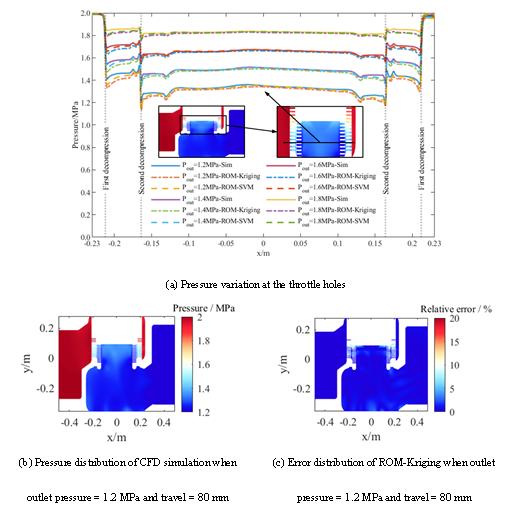
في منطقة جسم الصمام الرئيسية ومناطق أنابيب الدخول والخروج، تكون تغيرات الضغط طفيفة نسبيًا، وعادةً ما يكون الخطأ النسبي أقل من 5%، بل وأقل من 1% في بعض المناطق. ويبلغ أقصى خطأ نسبي 16.49% عند موضع قريب من جدار مخرج فتحة الخنق للغلاف الخارجي. في هذه المنطقة، يكون انفصال التدفق شديدًا، ويكون فقدان التفاصيل الناتج عن انقطاع النمط عالي الرتبة واضحًا للغاية. مع ذلك، يظل مستوى الخطأ ضمن النطاق المقبول لتقييم اتجاه الضغط وتقييم الحمل الكلي في التطبيقات الهندسية.
تمت مقارنة أداء طرق المطابقة الثلاث في التنبؤ بمجال التدفق: كان نموذج كريغينغ، بدقة RRMSE تبلغ 0.79%، أفضل قليلاً من نموذج SVR الذي بلغت دقته 0.87%، وكان أداء النموذجين متقاربًا عند مستوى الخطأ الأقصى (حوالي 15-16%). أما طريقة PI-SVR، مع إدخال قيود المعلومات الفيزيائية، فلم تُظهر أي ميزة في التنبؤ بالضغط. إذ بلغت دقة RRMSE فيها 1.16%، ووصل الخطأ الأقصى إلى 17.67%، كما اتسع نطاق توزيع الخطأ في منطقة التدرج العالي لفتحة الخانق مقارنةً بنموذج SVR الأساسي.
تشير هذه الظاهرة إلى أنه بالنسبة للكميات الفيزيائية كالضغط، التي تتميز بسلوك غير خطي قوي ولكن ببنية مكانية ثابتة نسبيًا، فإن استيفاء كريغينغ القائم على العمليات الغاوسية يُعدّ أكثر فعالية في التعامل مع العينات الصغيرة وعلاقات التعيين غير البارامترية. ولذلك، فقد تم تحديد نموذج كريغينغ كحل أمثل للتنبؤ السريع بمجال تدفق صمامات تخفيض ضغط البخار.
آفاق البحث
تُقدّم نتائج البحث مسارًا تقنيًا عمليًا لبناء نموذج التوأم الرقمي لصمامات تخفيض الضغط. يُمكّن هذا النموذج من إعادة بناء البيانات في الوقت الفعلي والمراقبة البصرية للمعايير الرئيسية، مثل مجال الضغط الداخلي ومجال درجة الحرارة للصمام، ما يحلّ مشكلة "الصندوق الأسود" الناجمة عن عدم إمكانية تركيب أجهزة الاستشعار التقليدية داخل مُكوّن الخنق.
مع ذلك، تجدر الإشارة إلى أن النموذج المُبسط المُستخدم في هذه الدراسة له حدود تطبيق واضحة. أولًا، يقتصر نطاق فعالية النموذج على فضاء المعلمات الذي تغطيه بيانات التدريب، ولا يمكنه الاستقراء إلى أشكال هندسية غير مُعينة أو ظروف حدودية مختلفة. ثانيًا، يعتمد النموذج الحالي على لقطات الحالة المستقرة، وهو مُناسب فقط للتنبؤ بحالة التشغيل المستقرة، ولا يُمكنه رصد تطور التدفق العابر أثناء التشغيل السريع للصمام.
ستتعمق الأبحاث اللاحقة وتوسع العمل الحالي من الجانبين التاليين:
أولها نمذجة التدفق العابر. من خلال الجمع بين أساليب تحليل السلاسل الزمنية (مثل تحليل الوضع الديناميكي DMD أو شبكة الذاكرة طويلة المدى LSTM)، يتم بناء نموذج ديناميكي منخفض الرتبة قادر على التنبؤ بتطور التدفق غير المستقر.
أما الثاني فهو تحسين أساليب المعلومات الفيزيائية. ويتمثل ذلك في إعادة النظر في استراتيجيات تطبيق التعلم الآلي للمعلومات الفيزيائية، واستكشاف إمكانية إدخال قيود فيزيائية في مرحلة استخلاص الأنماط بدلاً من مرحلة الانحدار، أو اعتماد إطار عمل متعدد الدقة يجمع بين ديناميكا الموائع الحسابية منخفضة الدقة والشبكات العصبية للمعلومات الفيزيائية لتحسين قدرة النموذج على الاستقراء والاتساق الفيزيائي في المناطق ذات العينات المتفرقة.

 بريد إلكتروني
: info@geko-union.com
بريد إلكتروني
: info@geko-union.com
 بريد إلكتروني
: info@geko-valves.de
بريد إلكتروني
: info@geko-valves.de
 بريد إلكتروني
: tw@geko-union.com
بريد إلكتروني
: tw@geko-union.com
 بريد إلكتروني
: nl@geko-union.com
بريد إلكتروني
: nl@geko-union.com



 شبكة IPv6 مدعومة