


ما الذي تبحث عنه؟
جيكو: علامة تجارية متخصصة في صمامات الوسائط الكيميائية شديدة التآكل والسامة
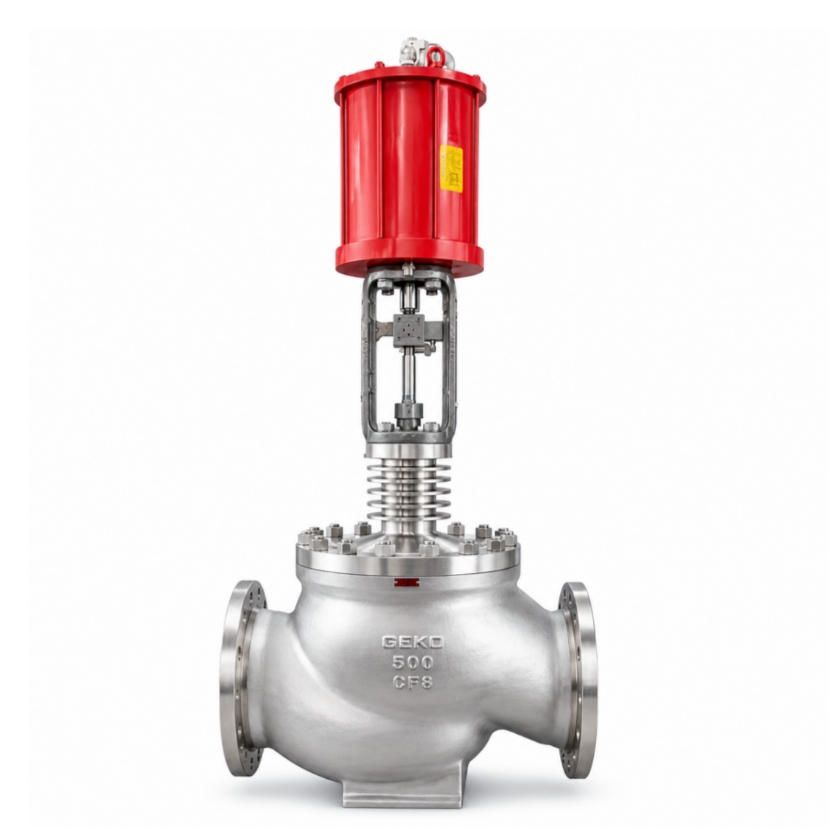
تُصنّف GEKO كعلامة تجارية متخصصة في الصمامات للتطبيقات الكيميائية التي تتضمن مواد شديدة التآكل وسامة للغاية. منتجها الأساسي هو صمام كروي محكم الإغلاق ذو منفاخ معدني، مصمم لضمان انعدام الانبعاثات المتسربة، وانعدام التسرب الخارجي، وعمر خدمة طويل. يُعد هذا الصمام حلاً مثالياً للتعامل مع المواد شديدة السمية مثل الكلور والفوسجين وفلوريد الهيدروجين وغيرها من الغازات الخطرة.
بالمقارنة مع صمامات الكرة الأرضية التقليدية المعبأة، تقلل صمامات GEKO الكروية المغلقة بالمنفاخ الانبعاثات المتسربة بأكثر من 100 ضعف، وتوفر عمرًا تشغيليًا أطول من 5 إلى 10 أضعاف. وبالمقارنة مع تصاميم صمامات المنفاخ الأخرى، تتميز صمامات GEKO ببنية أكثر إحكامًا، وسهولة في الصيانة، وانخفاض في تكاليف التشغيل الإجمالية.
سلسلة المنتجات والمعايير الفنية
سلسلة المنتجات الرئيسية: صمامات كروية محكمة الإغلاق بواسطة منفاخ
هذا هو التصميم القياسي، الذي يغطي الأحجام من DN15 إلى DN600، وتصنيفات الضغط من PN16 إلى PN160 أو من الفئة 150 إلى الفئة 2500، ودرجات حرارة التشغيل من -20 درجة مئوية إلى +450 درجة مئوية.
يوفر تصميم النمط Y مقاومة تدفق أقل وهو مناسب للوسائط عالية اللزوجة والسوائل التي تحتوي على جزيئات.
بفضل مسار التدفق بزاوية 90 درجة، يوفر صمام الكرة الأرضية ذو الزاوية مساحة التركيب ويستخدم عادة للتطبيقات ذات القطر الصغير والضغط العالي.
صُممت صمامات الكلور من GEKO خصيصًا للاستخدام مع الكلور الجاف والرطب. وهي مطابقة لمعايير صناعة الكلور الأوروبية، وتُعدّ من بين المنتجات المعتمدة من قبل عدد محدود من الشركات المصنعة المؤهلة. توفر هذه الصمامات مقاومة ممتازة للتآكل وانعدامًا تامًا للتسرب الخارجي في تطبيقات الكلور.
المواد وتصنيفات الضغط
البنية الأساسية ومبدأ الإحكام
هيكل متكامل: تصميم من ثلاث قطع، مانع تسرب منفاخي، بدون حشوة
يتم تشكيل جسم الصمام بالتشكيل أو الصب وفقًا لمعيار ASME B16.34 ويمكن توريده بأطراف ذات حواف أو أطراف ملحومة.
تتصل المنفاخات المصنوعة من الفولاذ المقاوم للصدأ الملحومة متعددة الطبقات بساق الصمام من جهة، وبجسم الصمام من الجهة الأخرى. يعزل هذا الهيكل وسط العملية تمامًا عن الغلاف الجوي، مما يلغي الحاجة إلى الحشوات التقليدية ويمنع التسرب الخارجي.
يُوفر تصميم الجذع الصاعد ذو الجزأين أداءً موثوقًا في منع التسرب. الجذع مطلي بمادة ستالايت، ومضاد للدوران، ومصمم للتشغيل بأقل احتكاك.
يضمن هيكل الإحكام المخروطي المعدني إحكامًا تامًا ومنعًا للتسرب الداخلي. أثناء الفتح والإغلاق، تُنظف أسطح الإحكام ذاتيًا للحفاظ على أداء إحكام موثوق.
تعتمد شفة غطاء المحرك تصميم اللسان والأخدود مع حشية جرافيت مرنة، مما يوفر أداءً آمنًا من الحرائق وفقًا لمعيار API 607.
آلية إحكام حاصلة على براءة اختراع لمنع التسرب الخارجي تمامًا
يتم إحكام غلق وسيط المعالجة داخل المنفاخ، مما يحقق انعدام الانبعاثات المتسربة وفقًا لمتطلبات TA-Luft. ولعدم وجود أي تآكل في الحشوة، يتم القضاء على خطر التسرب الخارجي.
يوفر المنفاخ مرونةً ذاتيةً، مما يسمح بالتعويض التلقائي عن التمدد والانكماش الحراري والتآكل. وهذا يضمن ضغط إحكام ثابت أثناء التشغيل طويل الأمد.
يتم صقل القرص والمقعد بدقة متناهية تصل إلى مستوى الميكرون. عند الإغلاق، تتلاءم أسطح منع التسرب المعدنية بإحكام، مما يحقق منعًا تامًا للتسرب الداخلي وفقًا لمعيار API 598.
تم تجهيز المنفاخ بهيكل مضاد للدوران للحد من الإجهاد الالتوائي أثناء تشغيل الصمام، مما يؤدي إلى إطالة عمر الخدمة بشكل كبير.
شروط التطبيق وحدود الأداء
التطبيقات الموصى بها
تُعد صمامات GEKO الكروية المغلقة بالمنفاخ مناسبة بشكل خاص لظروف الخدمة القاسية التالية:
التطبيقات غير الموصى بها
إرشادات الصيانة والأعطال الشائعة
مبادئ الصيانة الأساسية للخدمات التي تتطلب بيئات سامة ودرجات حرارة عالية
المنفاخ عبارة عن جزء رقيق الجدار، وقد ينفجر إذا تم تفكيكه تحت الضغط. يجب تفريغ الصمام تمامًا من الضغط إلى صفر ميجا باسكال قبل إجراء الصيانة.
يتميز المنفاخ ببنية متعددة الطبقات ذات جدران رقيقة. يُمنع منعًا باتًا الطرق أو الضغط أو الخدش أو التسبب بأي ضرر ناتج عن الصدمات. يجب استخدام أدوات ناعمة أثناء الفك والتركيب.
ينبغي تسجيل جميع خطوات الصيانة، بما في ذلك التفكيك والتنظيف والفحص والاستبدال والتجميع واختبار الضغط، مع ملاحظات مكتوبة وصور لضمان إمكانية التتبع.
الأعطال الشائعة وحلولها
تشمل الأسباب المحتملة تراكم الكربون على سطح منع التسرب أو وجود جزيئات عالقة بين القرص والمقعد. يجب تفكيك الصمام وتنظيفه وصقله. في حال تآكل القرص أو المقعد، يجب استبدال مكونات منع التسرب. أما في حال إجهاد المنفاخ، فيجب استبدال مجموعة المنفاخ بالكامل.
قد يكون سبب ذلك تراكم الرماد في تجويف الصمام، أو تشوه المنفاخ، أو تآكل ساق الصمام. يجب تفكيك الصمام وتنظيفه. يجب استبدال المنفاخ المشوه، وإزالة الصدأ عن سيقان الصمام المتآكلة وتزييتها بشحم مقاوم للحرارة العالية.
تشمل الأسباب المحتملة الإجهاد في منطقة اللحام أو التآكل الناتج عن الوسط المحيط. يجب استبدال المنفاخ، وترقية المادة عند الضرورة، كاستخدام هاستيلوي سي للوسائط شديدة التآكل.
توصيات بشأن الاختيار والمشتريات
في التطبيقات التي تتطلب مواد شديدة السمية والتآكل ودرجات حرارة وضغوط عالية، تُعد صمامات GEKO الكروية المغلقة بواسطة المنفاخ الخيار الأمثل. أما في حالة المواد التي تحتوي على جزيئات، فيُنصح باستخدام صمامات GEKO الكروية ذات المقعد الصلب.
تُعد النطاقات من DN15 إلى DN200 ومن الفئة 300 إلى الفئة 600 هي الأكثر شيوعًا والأكثر فعالية من حيث التكلفة.
يُنصح بالاحتفاظ بمخزون من قطع غيار أغطية المنفاخ، وأقراص الفرامل ومقاعدها، وحشيات غطاء المحرك من نفس المواصفات. يساعد ذلك على تقليل وقت توقف الصيانة وتكاليف الإصلاح الإجمالية.
للمزيد من المعلومات، تواصلوا معنا عبر البريد الإلكتروني: info@geko-union.com

 بريد إلكتروني
: info@geko-union.com
بريد إلكتروني
: info@geko-union.com
 بريد إلكتروني
: info@geko-valves.de
بريد إلكتروني
: info@geko-valves.de
 بريد إلكتروني
: tw@geko-union.com
بريد إلكتروني
: tw@geko-union.com
 بريد إلكتروني
: nl@geko-union.com
بريد إلكتروني
: nl@geko-union.com



 شبكة IPv6 مدعومة