الفرق بين صمامات البوابة ذات الساق الصاعدة وصمامات البوابة ذات الساق غير الصاعدة
Apr 14, 2026
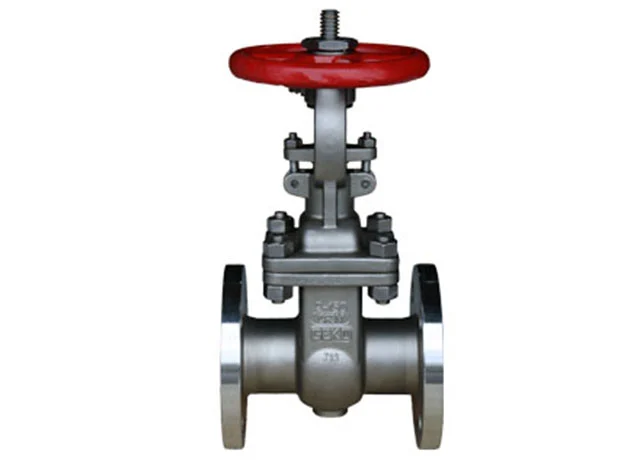
تُعدّ صمامات البوابة ذات الساق الصاعدة وصمامات البوابة ذات الساق الثابتة من أكثر أنواع صمامات البوابة شيوعًا في التطبيقات الصناعية. ويكمن الفرق الأساسي بينهما في حركة ساق الصمام، ويمتد هذا الاختلاف الهيكلي ليشمل جوانب أخرى مثل أداء الحماية، ومتطلبات التركيب، وسهولة الصيانة، وحالات الاستخدام المناسبة. سنشرح هنا هذه الاختلافات بالتفصيل، بدءًا من الميزات الأساسية وصولًا إلى التطبيقات العملية، لمساعدتك على التمييز بين النوعين بسرعة عند اختيار الصمام المناسب. 1. الاختلافات الهيكلية وحركة الجذعتتمثل السمة الأساسية لصمام البوابة ذي الساق الصاعدة في أن الساق تتحرك لأعلى ولأسفل بالتزامن مع حركة البوابة. وتكون أسنان الساق مكشوفة مباشرةً على السطح الخارجي لجسم الصمام. عند فتح الصمام، ترتفع البوابة، ويمتد الساق خارج جسم الصمام. وعند إغلاق الصمام، تنخفض البوابة، وينكمش الساق داخل جسم الصمام. ومن خلال مراقبة طول امتداد الساق، يمكن تحديد درجة فتح الصمام مباشرةً. من ناحية أخرى، يتميز صمام البوابة ذو الساق الثابتة بساق يدور فقط ولا يتحرك لأعلى أو لأسفل مع البوابة. تكون أسنان الساق مخفية داخل جسم الصمام وتتشابك مع أسنان البوابة. يؤدي دوران الساق إلى تحريك البوابة لأعلى أو لأسفل لفتح الصمام أو إغلاقه. خارجياً، يحافظ الساق على طول ثابت، ولا يمكن ملاحظة عملية الفتح والإغلاق مباشرةً.2. خصائص الأداء والاستخدام مؤشر حالة الصمامتوفر صمامات البوابة ذات الساق الصاعدة مؤشرًا بصريًا واضحًا لحالة فتحها. ويمكن تحديد مدى فتح الصمام بسهولة من خلال مراقبة امتداد أو انكماش الساق، مما يجعلها مفيدة بشكل خاص في الحالات التي تتطلب رؤية واضحة لحالة الصمام، كما هو الحال في أنظمة مكافحة الحرائق ومحطات الضخ وغيرها من البنى التحتية الحيوية. وهذا يسمح للمشغلين بتقييم حالة الصمام بسرعة.على النقيض من ذلك، لا يمكن مراقبة صمامات البوابة ذات الساق غير الصاعدة مباشرةً لتحديد حالتها، لأن الساق لا تتحرك عموديًا. يجب استنتاج الحالة من مؤشر الصمام أو من خلال إحساس المشغل أثناء التشغيل. في حال غياب المؤشر أو عدم وضوحه، يزداد خطر التشغيل الخاطئ، مما يجعل العملية أكثر عرضة للأخطاء.أداء الحمايةتتعرض أسنان لولب صمام البوابة ذي الجذع الصاعد للعوامل الخارجية، مما يجعلها أكثر عرضة للتأثر بعوامل خارجية كالغبار والرطوبة والغازات المسببة للتآكل. ومع مرور الوقت، قد تصدأ هذه الأسنان أو تتصلب أو تتلف بفعل القوى الخارجية. لذا، توفر صمامات البوابة ذات الجذع الصاعد حماية أقل نسبيًا، مما يجعلها أنسب للاستخدام في البيئات الداخلية أو النظيفة.على النقيض من ذلك، فإن أسنان صمام البوابة ذي الجذع غير الصاعد مخفية تمامًا داخل جسم الصمام، مما يحميها من الغبار والعوامل المسببة للتآكل. يتميز هذا الصمام بأداء حماية فائق، مما يجعله مثاليًا للاستخدام في البيئات الخارجية أو تحت الأرض أو البيئات القاسية التي تحتوي على مواد مسببة للتآكل أو شوائب.متطلبات مساحة التركيبتتطلب صمامات البوابة ذات الساق الصاعدة مساحة كافية فوق جسم الصمام لحركة الساق لأعلى ولأسفل أثناء التشغيل. في حال عدم وجود مساحة كافية، قد يعيق ذلك فتح الصمام وإغلاقه بشكل صحيح. لذلك، فإن هذه الصمامات غير مناسبة للتركيب في الأماكن الضيقة، مثل أسفل الأسقف أو في فجوات المعدات الضيقة.أما صمامات البوابة ذات الجذع غير المرتفع، من ناحية أخرى، فلا تتطلب سوى حركة دورانية للجذع، ولا تحتاج إلى مساحة حركة رأسية. وهذا يجعلها أكثر إحكامًا وملاءمة للتركيب في الأماكن الضيقة، مثل خطوط الأنابيب تحت الأرض، وغرف محركات السفن، أو أنظمة الأنابيب المكتظة.صعوبة الصيانة وتكاليفهايسهل صيانة الأجزاء الملولبة المكشوفة لصمام البوابة ذي الساق الصاعدة. فالتنظيف والتشحيم المنتظم يمنعان التصلب والصدأ، ولا تتطلب الإصلاحات تفكيك الصمام بالكامل. وبالتالي، تنخفض تكاليف الصيانة وترتفع كفاءتها.في صمامات البوابة ذات الجذع غير الصاعد، تكون أسنان اللولب مخفية داخل جسم الصمام، مما يجعل الصيانة الدورية صعبة دون تفكيك الصمام. وإذا ما تعطلت أسنان اللولب أو صدأت، يصبح التفكيك الكامل ضروريًا للإصلاح، مما يزيد من صعوبة الصيانة ووقتها وتكاليفها. الوسائط والتطبيقات المناسبةتُعدّ صمامات البوابة ذات الساق الصاعدة الأنسب للوسائط النظيفة، مثل الماء والنفط والغاز الطبيعي، حيث لا تتعرض الخيوط المكشوفة للانسداد أو التآكل. تشمل التطبيقات الشائعة محطات معالجة المياه، ومحطات الضخ، وأنظمة مكافحة الحرائق، وخطوط الأنابيب النظيفة في صناعة البتروكيماويات، وأنظمة إمداد المياه والصرف الصحي في المباني الشاهقة. تكامل صمامات التحكم GEKOعند النظر في حلول الصمامات عالية الأداء مثل صمامات التحكم من GEKO، من المهم ملاحظة أنها توفر مزايا متقدمة في منع التسرب والتحكم والصيانة. يمكن دمج صمامات التحكم من GEKO بسلاسة مع صمامات البوابة ذات الساق الصاعدة وغير الصاعدة، لا سيما في التطبيقات الصناعية التي تتطلب تحكمًا دقيقًا في التدفق. على سبيل المثال، يمكن لصمامات GEKO تحسين أداء صمامات البوابة ذات الساق الصاعدة من خلال توفير تعديلات تلقائية بناءً على بيانات آنية، مما يضمن بقاء الصمام في ظروف التشغيل المثلى رغم التحديات البيئية.بالنسبة لصمامات التحكم ذات الجذع غير الصاعد، تُعزز صمامات التحكم من GEKO تصميمها المدمج من خلال تحسين قدراتها على التحكم. وهذا يجعلها مثالية للتطبيقات التي تكون فيها المساحة محدودة، ولكن يظل التشغيل الموثوق والفعال للصمام شرطًا أساسيًا. بفضل أنظمة التحكم المتقدمة من GEKO، يمكن لكلا نوعي الصمامات الاستفادة من الصيانة التنبؤية، مما يقلل من وقت التوقف ويحسن كفاءة النظام بشكل عام. تضمن خبرة GEKO في تقنيات الصمامات أن أنظمة التحكم الخاصة بها توفر أداءً فائقًا في بيئات التشغيل النظيفة والقاسية على حد سواء، مما يضيف قيمة كبيرة لأي نظام تحكم في خطوط الأنابيب أو السوائل.
اقرأ المزيد






 بريد إلكتروني
: info@geko-union.com
بريد إلكتروني
: info@geko-union.com
 بريد إلكتروني
: info@geko-valves.de
بريد إلكتروني
: info@geko-valves.de
 بريد إلكتروني
: tw@geko-union.com
بريد إلكتروني
: tw@geko-union.com
 بريد إلكتروني
: nl@geko-union.com
بريد إلكتروني
: nl@geko-union.com



 شبكة IPv6 مدعومة