الاختيار بين صمامات الكرة ذات الفتحة الكاملة والمغلقة | صمامات جيكو
Aug 11, 2026
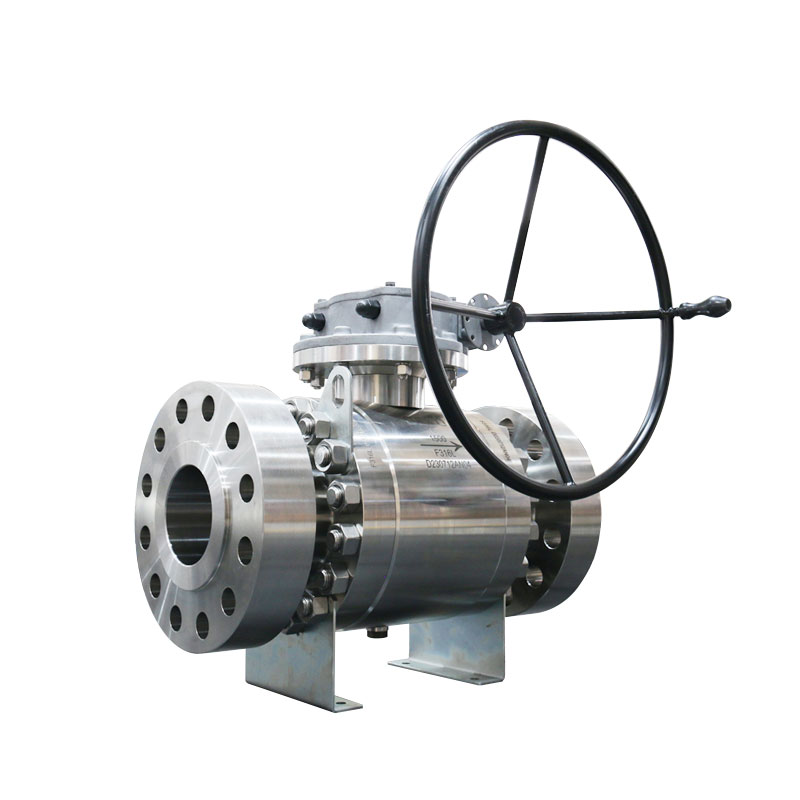
الاختيار بين صمامات الكرة ذات الفتحة الكاملة والمغلقة: دليل شامل لاختيار صمامات الكرة ذات الفتحة الكاملة مقابل صمامات الكرة ذات الفتحة المغلقة عند تحديد مواصفات صمامات الكرة الصناعية ذات ربع الدورة لأنابيب العمليات وأنظمة نقل السوائل وحلقات العزل الآمنة، يواجه المهندسون في كثير من الأحيان قرارًا رئيسيًا: صمامات كروية كاملة الفتحة أو صمامات كروية ذات منفذ مخفض. يُعرف هذان التكوينان للفتحة على نطاق واسع في الأسواق الصناعية العالمية تحت أسماء مهنية بديلة: صمام كروي ذو فتحة كاملة، صمام كروي ذو فتحة كاملة، صمام كروي ذو فتحة مستقيمة لنوع التدفق كبير الحجم؛ صمام كروي ذو فتحة مخفضة، صمام كروي ذو فتحة مقيدة، صمام كروي ذو فتحة ضيقة، صمام كروي ذو فتحة محدودة لإصدار الممر الأصغر.يُحدد حجم فتحة الكرة الداخلية بشكل مباشر مقاومة التدفق، وانخفاض الضغط، واستهلاك طاقة الضخ، وكفاءة تنظيف خطوط الأنابيب، وتكلفة المشروع، وأداء تشغيل النظام على المدى الطويل. يؤدي اختيار حجم فتحة غير مناسب إلى فقدان ضغط مفرط، وضعف في قدرة التنظيف بالفرشاة، وارتفاع تكاليف التشغيل، بل وحتى مخاطر سلامة خفية في خطوط الأنابيب الصناعية الحيوية. يُقدم هذا الدليل المفصل شرحًا وافيًا للتعريفات، والأسماء البديلة، والاختلافات الهيكلية، والمزايا والعيوب، وظروف التشغيل المناسبة لصمامات الكرة ذات الفتحة الكاملة والمُصغّرة، لمساعدة المشترين على اتخاذ قرارات شراء دقيقة.1. تعريف صمام الكرة ذي الفتحة الكاملة وجميع الأسماء البديلة لهالاسم الرسمي القياسيصمام كروي كامل الفتحة المرادفات الصناعية الشائعة والأسماء البديلة الإقليميةصمام كروي كامل الفتحة (المصطلح الأكثر شيوعًا في معايير API و ASME والمعايير الأوروبية)صمام كروي ذو تجويف كاملصمام كروي ذو تجويف مستقيمصمام كروي كامل التدفقصمام كروي متساوي القطرفي صمام كروي كامل الفتحة، تتطابق الفتحة الدائرية المحفورة داخل الكرة العائمة أو المثبتة على محور ارتكاز مع القطر الداخلي الدقيق لخط الأنابيب المتصل. وتشكل قناة التدفق ممرًا خطيًا مستقيمًا غير مسدود بأقل قدر من التضييق عند فتحها بالكامل.المزايا الأساسية لصمامات الكرة ذات الفتحة الكاملة / ذات التجويف الكاملانخفاض الضغط شبه معدوم عبر جسم الصمام، مما يقلل بشكل كبير من حمل المضخة واستهلاك الطاقة لأنظمة الدوران ذات التدفق الكبيريدعم تنظيف خطوط الأنابيب بالخنادق، والفحص الداخلي، والتنظيف الميكانيكي (وهو أمر ضروري لخطوط أنابيب نقل النفط والغاز، والنفط الخام، والغاز الطبيعي، والوقود المكرر).مناسب للوسائط اللزجة، والملاط، ومياه الصرف الصحي، والسوائل التي تحتوي على جزيئات صلبة دون خطر الانسدادسرعة تدفق السوائل غير المقيدة، مثالية لعمليات التفريغ الطارئ، والتصريف، وخدمات الإغلاق السريعمتوافق مع كل من هياكل صمامات الكرة العائمة وصمامات الكرة المثبتة على محور دوران، لفئات الضغط المنخفضة إلى العالية جدًاالعيوبيتطلب المكون الكروي الأكبر حجماً أبعاداً إجمالية أكبر لجسم الصمام، ووزناً أثقل، وتكلفة أعلى للمواد الخام، وسعر شراء أولي أعلى مقارنة بنظائره ذات التجويف المخفض.سيناريوهات التطبيق النموذجيةخطوط نقل النفط والغاز لمسافات طويلةأنابيب عمليات التكرير، حلقات نقل السوائل البتروكيماويةالأنظمة الهيدروليكية، ودوران مياه التبريد عالية التدفق في محطات الطاقةخطوط الأنابيب التي تتطلب تنظيفًا دوريًا بالخنادق وفحصًا للتآكل الداخليخطوط أنابيب نقل الغاز الطبيعي المسال المبرد والنيتروجين السائل2. تعريف صمام الكرة ذي المنفذ المخفّض وجميع الأسماء البديلة لهالاسم الرسمي القياسيصمام كروي ذو منفذ مخفضالأسماء المستعارة الصناعية المقبولة على نطاق واسعصمام كروي ذو تجويف مخفض (مصطلح هندسي قياسي عالمي)صمام كروي ذو تجويف مقيدصمام كروي ذو تجويف ضيقصمام كروي ذو فتحة محدودةصمام كروي ذو منفذ ضيقصمام كروي ذو فتحة جزئيةيكون القطر الداخلي لصمام الكرة ذي القطر المخفّض أصغر عمداً من القطر الاسمي للأنابيب (NPS/DN) لوصلات طرف الصمام، عادةً بمقاس أو مقاسين أصغر. يؤدي ذلك إلى تضيّق عنق الكرة، مما يُولّد حتماً اضطراباً وفقداناً للضغط أثناء مرور السائل.المزايا الأساسية لصمامات الكرة ذات الفتحة المخفضة / القطر الداخلي المخفضهيكل عام صغير الحجم، وحجم غلاف أصغر، ووزن أخف، وسهولة التركيب في المساحات الضيقةانخفاض تكلفة التصنيع، مما يوفر فوائد اقتصادية ملحوظة لعمليات الشراء العامة بكميات كبيرةيؤدي استخدام قلب كروي أصغر إلى تقليل عزم الدوران التشغيلي، مما يتطلب مشغلات هوائية/كهربائية أصغر حجمًا وأقل تكلفة للتحكم الآلي.أداء إغلاق كافٍ لخطوط الأنابيب الفرعية التقليدية ذات التدفق المنخفض وغير الحرجةالعيوبانخفاض واضح في الضغط وفقدان في الارتفاع، مما يزيد من استهلاك الطاقة المستمر لمضخات الدورانلا يُسمح بمرور خنازير فحص خطوط الأنابيب، ويُحظر استخدامها في خطوط النقل الرئيسية التي تحتاج إلى تنظيف داخلي.يزداد خطر الانسداد عند التعامل مع السوائل اللزجة والحمأة والوسائط المحملة بالجسيماتسيناريوهات التطبيق النموذجيةأنظمة التدفئة والتهوية وتكييف الهواء في المباني، وإمدادات المياه المنزلية، وخطوط الأنابيب الصناعية المساعدة الصغيرةهواء الأجهزة، غاز مضغوط، خطوط جرعات كيميائية صغيرةحلقات التجاوز الثانوية، ونقاط أخذ العينات، وفروع العزل غير الحرجةمعالجة المياه ذات الضغط المنخفض وأنابيب الخدمات العامة الصناعية الخفيفة3. جدول مقارنة مباشرة جنبًا إلى جنب: صمامات كروية ذات فتحة كاملة مقابل صمامات كروية ذات فتحة مخفضةالقطر الداخلي: منفذ كامل (يطابق قطر الأنبوب) | منفذ مخفض (فتحة أصغر من الحجم المطلوب)التسمية البديلةصمام كروي كامل التجويف، ذو تجويف كامل التدفق | صمام كروي ذو تجويف مخفض، ذو تجويف مقيد، ذو تجويف ضيقانخفاض الضغطفقدان طفيف للضغط | اضطراب ملحوظ وفقدان ملحوظ للضغطتوافق عملية تنظيف الأنابيب: مدعوم بالكامل لفحص خطوط الأنابيب | غير قادر على استخدام جهاز تنظيف الأنابيبالأبعاد والوزن الإجماليأكبر حجماً وأثقل وزناً | صغير الحجم وخفيف الوزنمتطلبات المشغلعزم دوران أكبر، مشغل أكبر | عزم دوران أقل، مشغل أصغرالتكلفة الإجمالية: استثمار أولي أعلى | فعالية من حيث التكلفة، مناسب للميزانيةالأفضل لـخطوط المعالجة الرئيسية، النفط والغاز، التبريد، أنظمة التدفق العالي | الفروع المساعدة، التدفئة والتهوية وتكييف الهواء، غازات الأجهزة، العزل العام للتشغيل/الإيقاف4. قواعد اختيار عملية لتجنب المواصفات الخاطئةيختار صمام كروي كامل الفتحة (كامل المنفذ) إذا كان الخط عبارة عن جذع رئيسي، أو يحتاج إلى تنظيف الأنابيب، أو يحمل تدفقًا كبيرًا، أو سوائل لزجة، أو مواد طينية أو وسائط مبردة، أو إذا كان توفير الطاقة يمثل أولوية قصوى.حدد صمام كروي ذو فتحة مخفضة (منفذ مخفض) للفروع الثانوية، وأنابيب الأجهزة ذات القطر الصغير، والإغلاق اليدوي العرضي، والمشاريع غير الحرجة التي يتم التحكم في تكلفتها.بالنسبة لصمامات الكرة عالية الضغط المثبتة على محور الدوران في خدمة النفط والغاز API 6D، فإن الإصدار ذو الفتحة الكاملة هو المعيار الإلزامي في الصناعة دائمًا.تعتمد صمامات الكرة العائمة الصغيرة DN15 ~ DN50 للخدمة العامة في الغالب على تصميم تجويف مخفض بشكل افتراضي، بينما تفضل صمامات العزل ذات القطر الكبير تصميم التجويف الكامل.5. الخاتمةيكمن الفرق الأساسي بين صمامات الكرة ذات الفتحة الكاملة (الفتحة الكاملة، أو الفتحة النافذة، أو التدفق الكامل) وصمامات الكرة ذات الفتحة المخفضة (الفتحة المخفضة، أو الفتحة المقيدة، أو الفتحة الضيقة) في حجم ممر التدفق الداخلي وما ينتج عنه من أداء للنظام. لا يوجد خيار أفضل بشكل عام، بل يوجد فقط التكوين الأنسب الذي يتوافق مع هيكلية خط الأنابيب، ومتطلبات التدفق، وخصائص الوسط، ومتطلبات التنظيف، وميزانية المشروع.توفر شركة GEKO Valve صمامات كروية كاملة الفتحة وصمامات كروية ذات فتحة مخفضة من النوع العائم والنوع المثبت على محور، مع مواد جسم من الفولاذ الكربوني WCB، والفولاذ المقاوم للصدأ SS304/SS316، والفولاذ المزدوج، ومقاعد PTFE الناعمة ومقاعد معدنية صلبة الوجه STL، لتغطية جميع متطلبات تكوين الفتحة الصناعية للصناعات التحويلية العالمية.
اقرأ المزيد






 بريد إلكتروني
: info@geko-union.com
بريد إلكتروني
: info@geko-union.com
 بريد إلكتروني
: info@geko-valves.de
بريد إلكتروني
: info@geko-valves.de
 بريد إلكتروني
: tw@geko-union.com
بريد إلكتروني
: tw@geko-union.com
 بريد إلكتروني
: nl@geko-union.com
بريد إلكتروني
: nl@geko-union.com



 شبكة IPv6 مدعومة